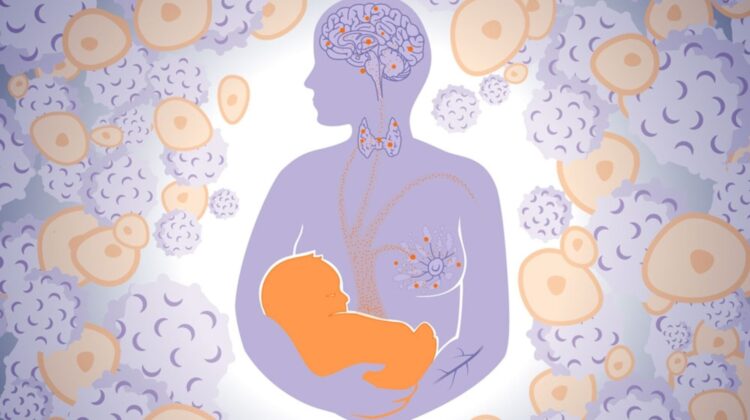
The placenta was once thought of as a wall between mother and baby. It turns out to be more like a two-way border crossing, and some of the travelers stay for life.
What Is Microchimerism?
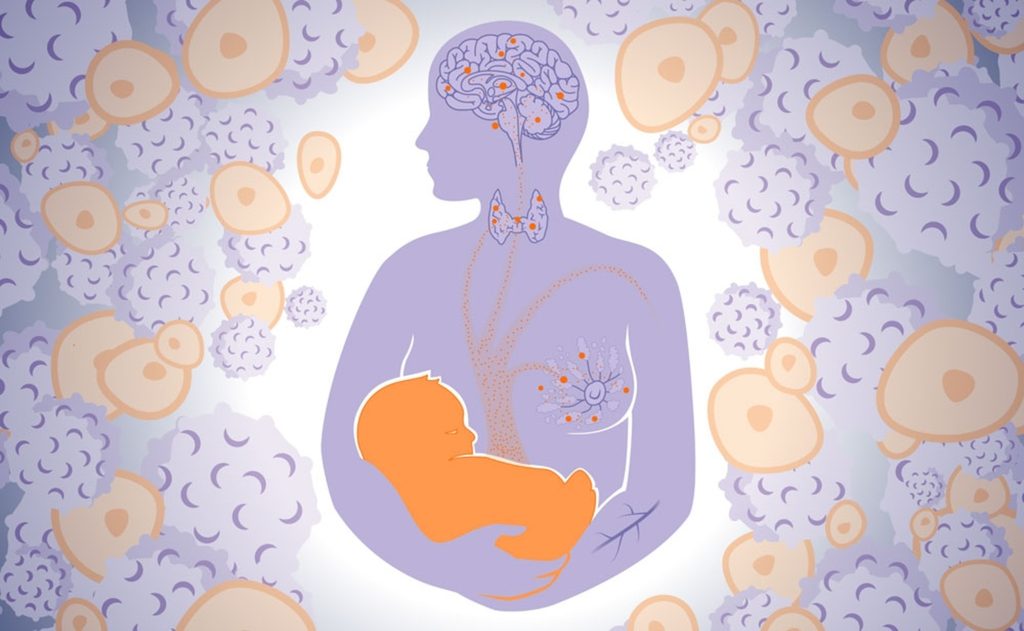
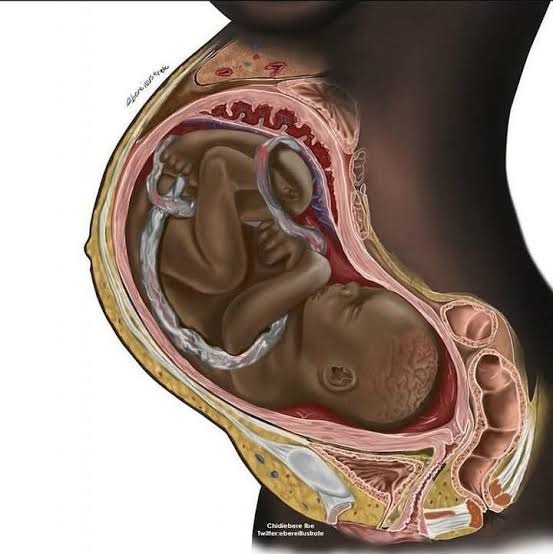
Microchimerism is the presence of a small number of cells from another genetically distinct individual inside a person’s body. The most common source is pregnancy. During gestation, cells pass through the placenta in both directions, from mother to baby and from baby to mother. Those cells can end up in tissues and organs and be detected decades later.
How the Cells Cross Over
Researchers used to believe that the placenta separated the mother’s and the fetus’s cells. The picture changed when scientists found fetal cells in mothers’ blood. A landmark study led by Diana Bianchi at Tufts University detected male DNA in women who had given birth to sons long before, showing that fetal cells can persist in the mother’s body for decades.
The reverse was shown later. In a study led by J. Lee Nelson’s group, researchers used genetic tests to look for DNA unique to the mother in her adult children. They found maternal microchimerism in healthy people as well as patients with autoimmune disease. Participants with maternal cells ranged from 9 to 49 years old, and Nelson has described finding such cells in a 46-year-old.
What Do These Cells Do?
Scientists are still working it out, and the answer may differ from person to person. Researchers describe microchimerism as a double-edged sword.
- Possible helpers. Fetal cells in mothers have been linked to tissue repair, and maternal cells in children may help educate the developing immune system. In one case, maternal cells found in a child’s pancreas had developed into insulin-producing cells, suggesting they may attempt repair.
- Possible troublemakers. Microchimerism has been studied in autoimmune conditions such as scleroderma, juvenile dermatomyositis and type 1 diabetes, where maternal or fetal cells may play a part in some cases.
- A possible protector. In one study, fetal cells were found in 43 percent of healthy women compared with 14 percent of women with a history of breast cancer, leading researchers to suggest the cells might help with immune surveillance.
What We Still Don’t Know
The research is far from settled. A recent review found that the role of maternal cells in autoimmunity remains controversial, and that it isn’t yet clear whether fetal microchimerism helps or harms mothers’ health overall. Researchers also note that the number of foreign cells in a person is tiny compared with their own, and that finding such cells doesn’t prove they cause disease or confer benefits.
Microchimerism can also arise from other sources, such as blood transfusions, organ transplants or a twin pregnancy. But the mother-and-child exchange is the best-studied and probably the most common.
A Lifelong Biological Link
Scientists who study the field say cutting the umbilical cord does not completely sever the physical connection between mother and child. In that sense, the idea that “part of her is still in you” has a real scientific basis, though it is a few cells, not a whole presence. The same applies in the other direction: mothers carry cells from each of their children.
Curious About Your Biology?
If this subject sparks your interest in genetics and health, here are some options to explore:
- Genetic testing. Compare DNA ancestry kits, genetic health testing and prenatal genetic screening.
- Health coverage. Review health insurance plans, maternity insurance and life insurance.
- Learning. Explore online biology degrees, genetics courses and popular science books.
- Wellness. Browse prenatal vitamins, family health tracking apps and medical record organizers.
Frequently Asked Questions
What is microchimerism? It is the presence of a small number of cells from another individual in a person’s body, most often from pregnancy.
Are my mother’s cells really in my body? Studies using DNA tests have found maternal cells in many healthy adults, including some in their forties.
Do mothers carry their children’s cells? Yes. Fetal cells have been found in women decades after pregnancy.
Are these cells harmful? Not necessarily. Researchers say they may help with tissue repair or be linked to autoimmune disease in some cases, so the effects vary.
Can doctors use this knowledge yet? Not routinely. It is an active area of research, with possible uses in transplantation and autoimmune disease still being studied.
Sources: Fred Hutchinson Cancer Center, the Journal of Clinical Investigation, Scientific American, Clinical Chemistry, and Medicina, all covering research on fetal and maternal microchimerism and how cells pass between mother and child.
Leave a Reply