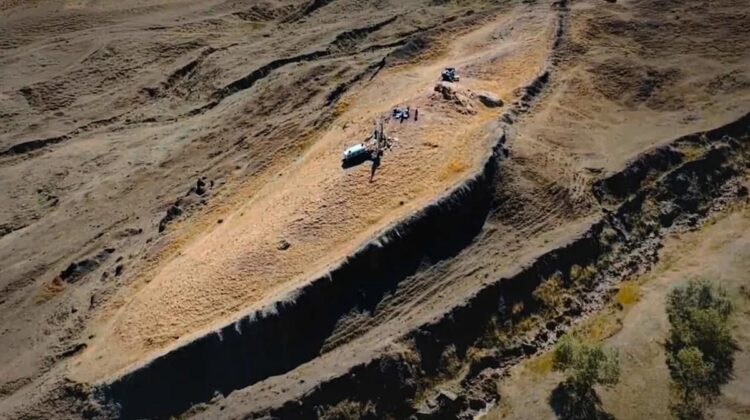
A team hunting for the biblical Ark says its drill brought up burned timber from deep inside a boat-shaped hill. Geologists remain far from convinced.
The Claim
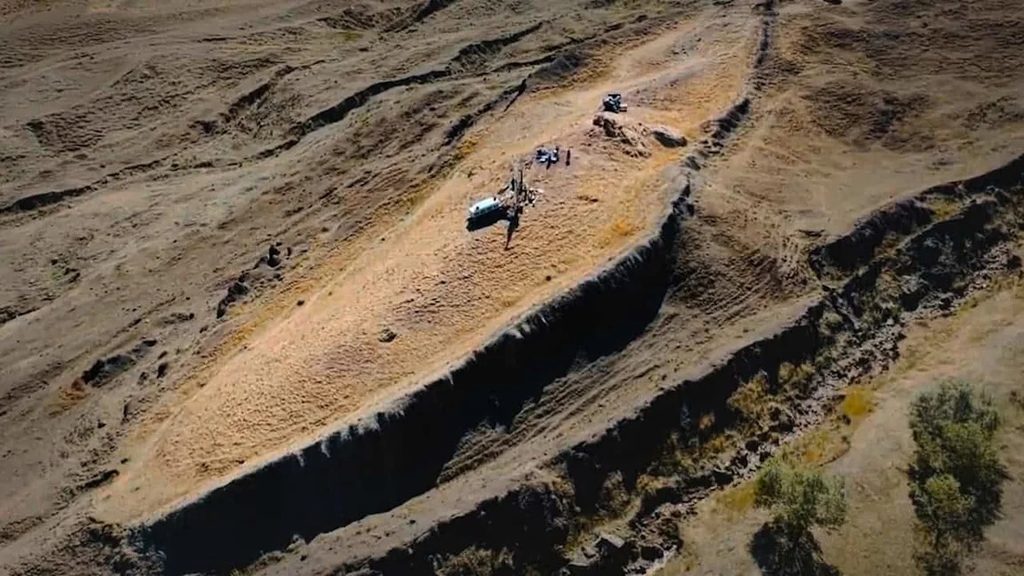
Researchers from Noah’s Ark Scans, an independent group investigating the Durupınar Formation in eastern Turkey, say core drilling has pulled up charred and uncharred wood-like material from nearly 30 feet below the surface. Team founder Andrew Jones told the Daily Mail that it’s possible the team “found the charred remains of Noah’s Ark.”
Jones also acknowledged another explanation. “It’s also possible that we have found the charred remains of a shepherd’s campfire,” he told BroBible. The material has been sent for testing to determine its age and what kind of wood it is, so for now there is no confirmation that it has anything to do with the biblical vessel.
What Is the Durupınar Formation?
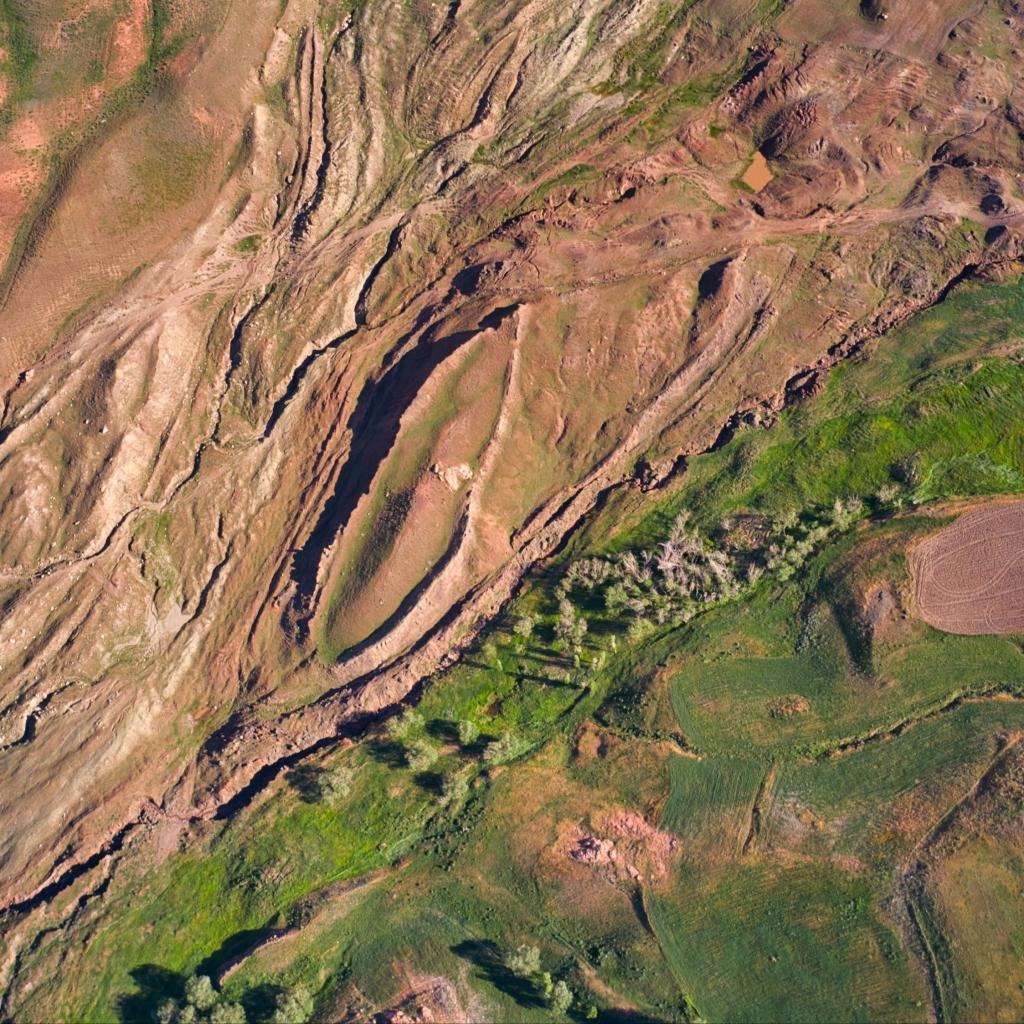
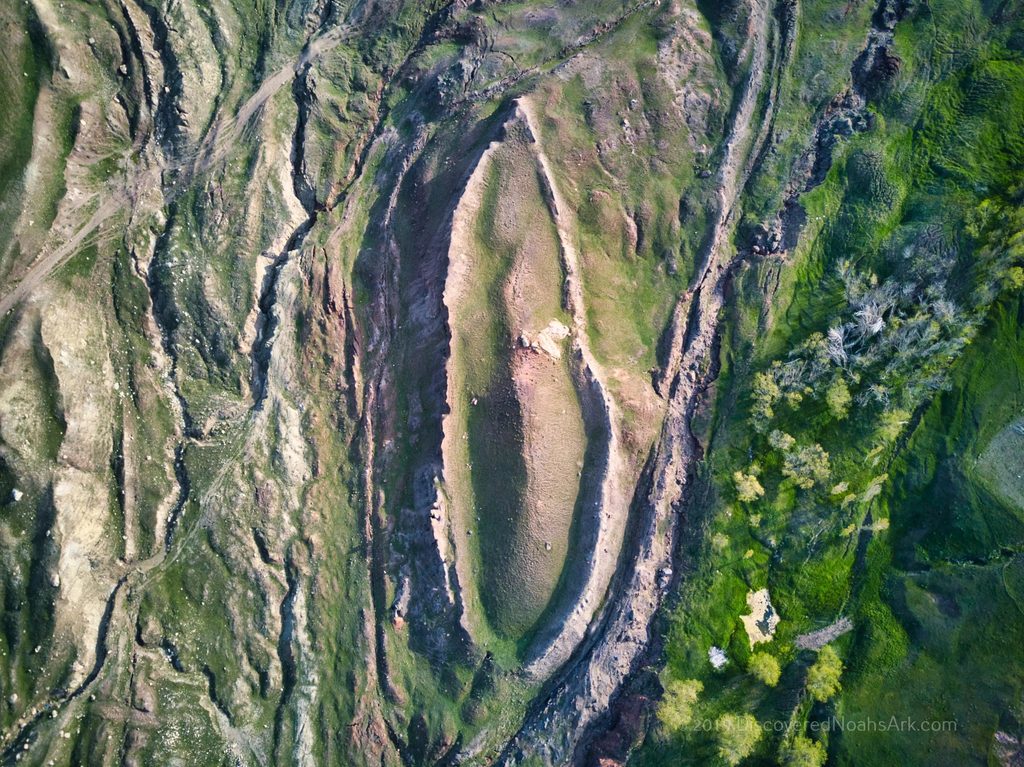
The formation is a boat-shaped mound, roughly 515 to 540 feet long depending on the measurement, about 30 kilometers south of Mount Ararat near the town of Doğubayazıt. Turkish Army Captain İlhan Durupınar noticed its outline on aerial photographs in 1959, and it has drawn Ark hunters ever since. Its location, near the region traditionally associated with the Ark’s landing place, adds to the appeal.
What the Team Says It Has Found
The team’s investigation, which began with scans in 2019, has produced a series of claims:
- Radar scans. Ground-penetrating radar images show what the team interprets as chambers and corridors reaching about 30 feet underground. Jones named one larger cavity the “Atrium.”
- Soil samples. Soil from inside the structure reportedly contained about three times as much organic matter and 38 percent more potassium than soil from outside it, which the group says could be consistent with decayed organic material.
- Drilling. Jones says drilling revealed rich black soil instead of bedrock and that a drill bit broke after hitting something hard, which the team suspects could be petrified wood.
- Burned wood. The latest samples include both burned and unburned wood from about 30 feet down.
Why Would the Wood Be Burned?
The researchers haven’t determined how the wood burned. Possible explanations they mention include a shepherd’s campfire, lightning or a volcanic event. Jones also points to the biblical account, in which Noah coats the Ark with pitch, a waterproofing substance that is flammable. The team suggests fire may have slowed decay and helped preserve the wood, though this remains a theory.
What Scientists Say
Mainstream geologists have long viewed Durupınar as a natural formation. A 1996 study by geologist Lorence Collins and Ark hunter David Fasold concluded it was a natural rock fold, and geologists have held that view for roughly three decades. Radar scans alone cannot prove that underground features are man-made, and differences in soil composition don’t show that a wooden vessel once sat on the site.
The next test is carbon dating, which could reveal how old the wood is. Even if the wood turns out to be ancient, researchers would still need to show that it came from a boat and that people built the structure. Independent review will be essential before any claim can be confirmed.
Dreaming of Visiting Mount Ararat or Learning More?
The Ararat region is one of eastern Turkey’s most striking landscapes. If this story sparks an interest in biblical archaeology or travel, consider these options:
- Travel. Compare Turkey travel packages, Mount Ararat trekking tours and Eastern Turkey cultural tours.
- Travel protection. Review international travel insurance and adventure travel insurance.
- Learning. Explore online archaeology degrees, biblical archaeology courses and ancient history books.
- Media. Browse history documentaries and educational streaming subscriptions.
Frequently Asked Questions
What did the researchers find? They report charred and uncharred wood-like material from about 30 feet underground at the Durupınar Formation in eastern Turkey.
Is it proven to be Noah’s Ark? No. The material hasn’t been dated, and the team itself says it could be the remains of a shepherd’s campfire.
What is the Durupınar Formation? A boat-shaped mound about 30 kilometers south of Mount Ararat that Ark hunters have studied since it was spotted in 1959.
What do geologists say about it? Many consider it a natural rock formation, a view supported by a 1996 study by geologist Lorence Collins and David Fasold.
What happens next? The samples will undergo carbon dating and further analysis to determine their age and origin.
Sources: AOL UK, Fox News, NewsNation, Geo News, RELEVANT, BroBible, WION, and Berliner Zeitung, all covering Noah’s Ark Scans’ claims about charred wood found about 30 feet beneath the Durupınar Formation in eastern Turkey and the scientific debate over the site’s origin.
Leave a Reply