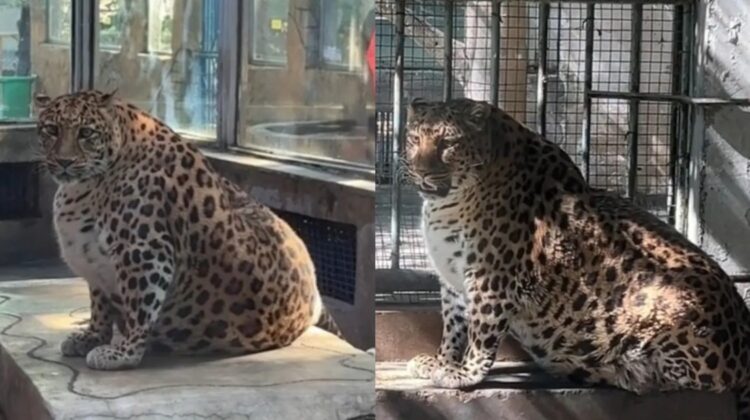
A leopard with a round belly and stretched-out spots became an internet celebrity and one of China’s best-known zoo animals. Keepers put the big cat on a diet, but now, years later, the zoo says the weight-loss plan is over. Pan Baobao, 19 years old, is too old to slim down, officials say, and what matters most is keeping him comfortable and healthy.
A Viral Leopard
Pan Baobao lives at Panzhihua Zoo in Sichuan Province, in south-western China. He first went viral when visitors shared videos of his unusually plump appearance, with a round belly and spots stretched wide. His popularity brought visitors from across China, and the zoo’s local tourism authorities even named him an honorary tourism director.
The Diet
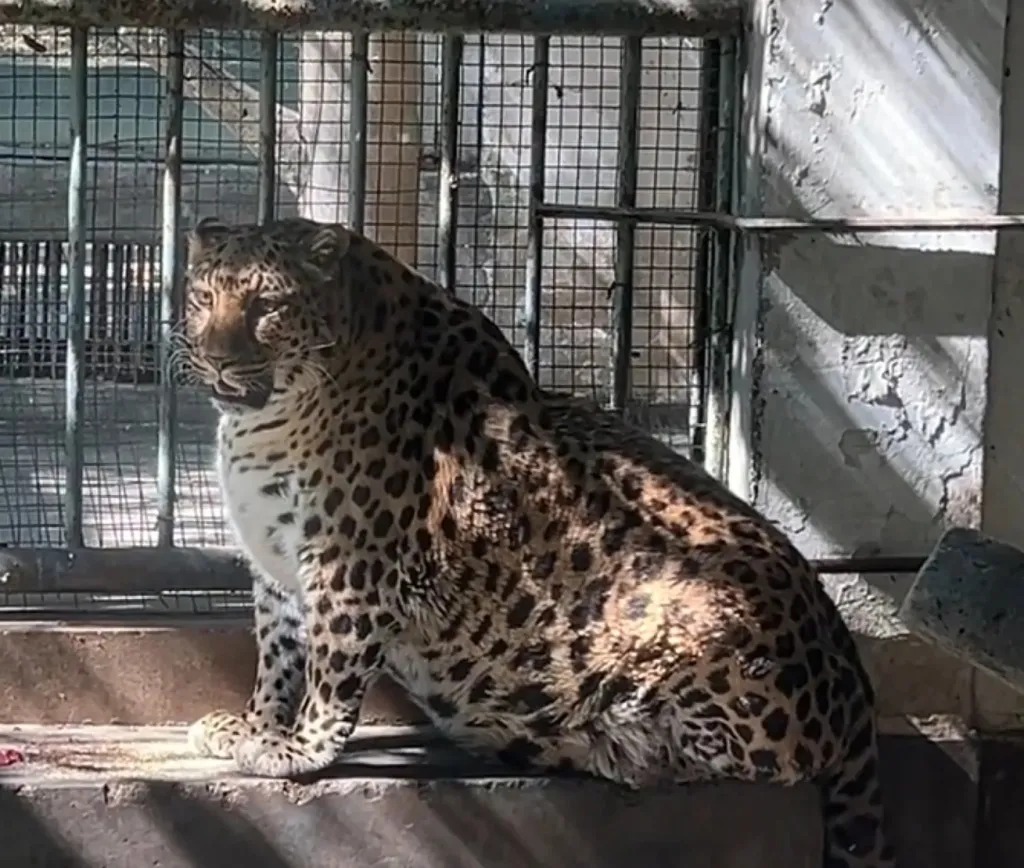
His keepers weren’t amused by the sudden attention to his weight, and they put him on a strict weight-loss program. According to reports, the leopard did lose a significant amount of weight. But recent visitors were surprised to see that he appeared to have gained back his famously round shape.
Why the Zoo Has Stopped Dieting
Zoo official Zhang Songwen said that the zoo hasn’t stopped controlling his diet, but that at his age he shouldn’t be losing weight. He compared animals to people: as they get older, their skin loosens. At this stage, he said, the most important thing is to maintain the leopard’s condition and health, which means making sure he eats enough and gets proper nutrition.
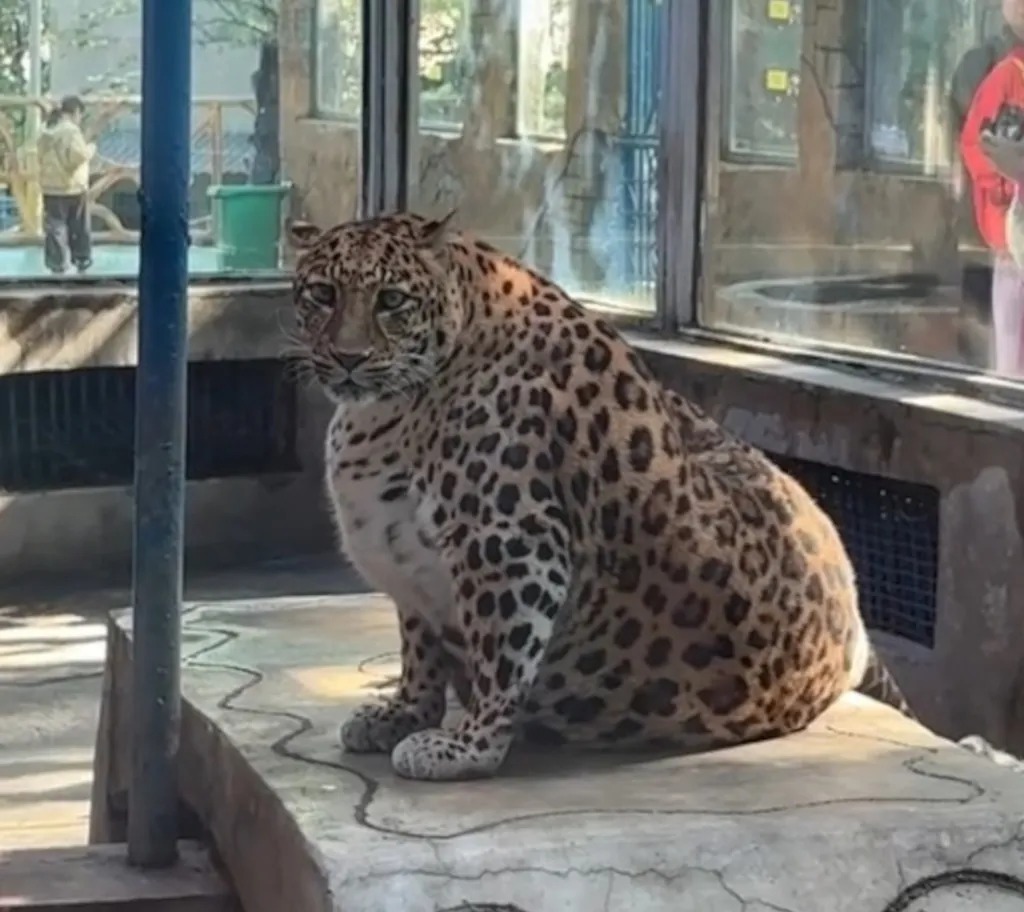
Pan Baobao currently eats more than 500 grams of beef a day, along with chicken to provide balanced nutrition. Keepers insist his weight hasn’t changed significantly and say a recent veterinary visit found him in good health. As long as his weight is stable and he is in good spirits, Zhang said, that is the best condition for him. He is also encouraged to stay active, with a large ball to play with and keepers who encourage him to move around his enclosure.
Fat or Just Loose Skin?
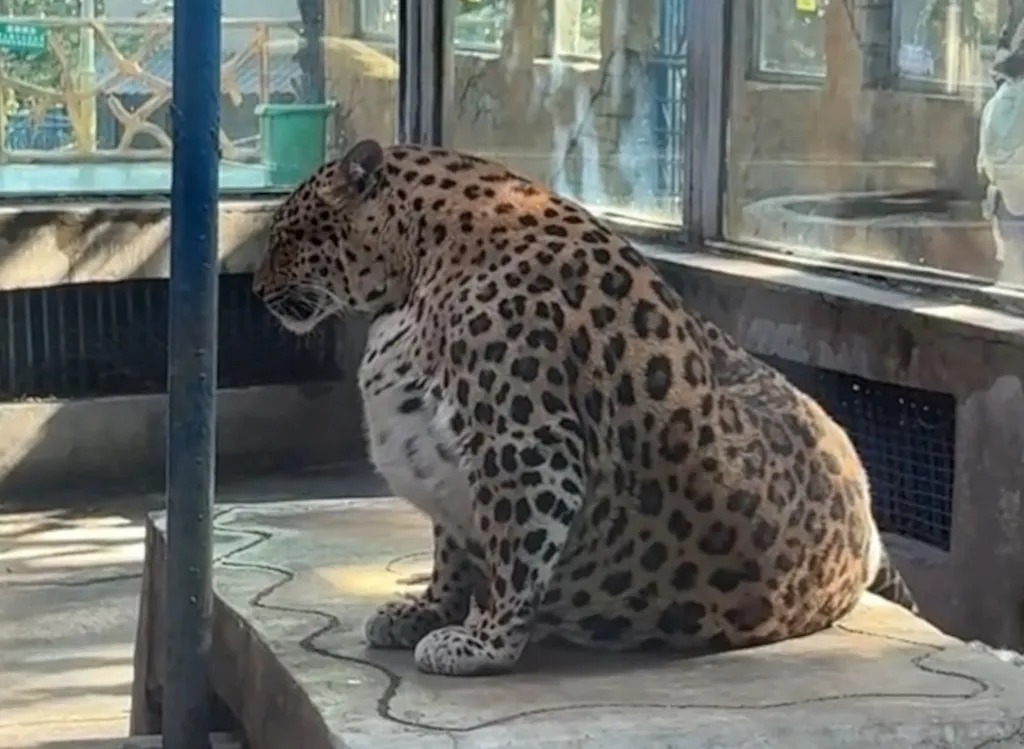
It’s hard to judge an animal’s body condition from a photo or video. Many cats, including big cats, have a loose flap of skin and fat along the lower belly called a primordial pouch, which swings as they walk and can make them look heavier than they are. Skin also loosens with age, as the zoo official noted. Veterinarians judge body condition by checking weight, muscle and fat over the ribs and spine, not just by appearance.
Leopards typically live about 12 to 17 years in the wild and sometimes into their twenties in human care, so 19 is a very old age for a leopard.
The Criticism
The zoo also faced criticism after the viral moment. Some fans accused it of deliberately fattening up its animals to create a sensation, as people had speculated about other popular animals. The zoo’s explanation, and its decision to place the leopard on a diet, appear to respond to those concerns.
What We Don’t Know
Several details are unclear:
- The reports don’t give the leopard’s actual weight or an ideal weight for his age.
- Whether the leopard truly regained a lot of weight, or whether his appearance reflects loose skin, is disputed between visitors and keepers.
- The information comes from the zoo’s statements and local media, and it hasn’t been independently verified.
Zoos, Welfare and Obesity
Animals in human care can become overweight if they eat too much or move too little, which can lead to health problems, so keepers and veterinarians monitor their diets and exercise carefully. At the same time, older animals have different needs from younger ones, and sudden weight loss in a senior animal can be a sign of illness. That is why many zoos adjust diets to each animal’s age and health.
Leopards in the Wild
Leopards (Panthera pardus) are solitary, adaptable big cats found across parts of Africa and Asia. They are listed as vulnerable, and they face threats from habitat loss, hunting and conflict with people. Zoos that follow high welfare standards contribute to research and conservation education.
Visiting Zoos and Supporting Big Cats
Zoo fans who want to see big cats often compare zoo tickets and wildlife park tours at accredited facilities, take a wildlife photography camera with a zoom lens, and plan trips with China travel packages and travel insurance, while those who want to help leopards in the wild can look into big cat conservation donations and wildlife conservation charities.
Frequently Asked Questions
Who is Pan Baobao? A 19-year-old leopard at Panzhihua Zoo in Sichuan, China, who went viral for his round belly.
Why did the zoo stop his diet? Officials say he is too old to be losing weight and that keeping him stable and healthy is the priority.
Is he healthy? A recent veterinary visit reportedly found him in good health.
What does he eat? More than 500 grams of beef a day, plus chicken.
Sources: AsiaWire, Newsflash