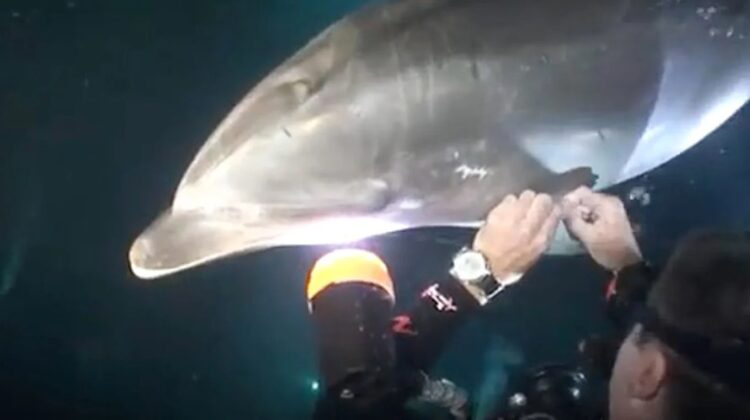
In the dark waters off Hawaii, an injured bottlenose dolphin did something almost unheard of: it came to a human for help.
Divers sometimes talk about moments when the ocean seems to look back at them. For Keller Laros, one of those moments arrived on a night dive off the Kona coast of Hawaii, when a wild dolphin appeared out of the blackness, hovered in the beam of his flashlight and waited, calmly and patiently, for him to cut a hook and a tangle of fishing line from its fin. The encounter was filmed, and the video has captured the imagination of millions of people ever since.
A Squeak in the Dark
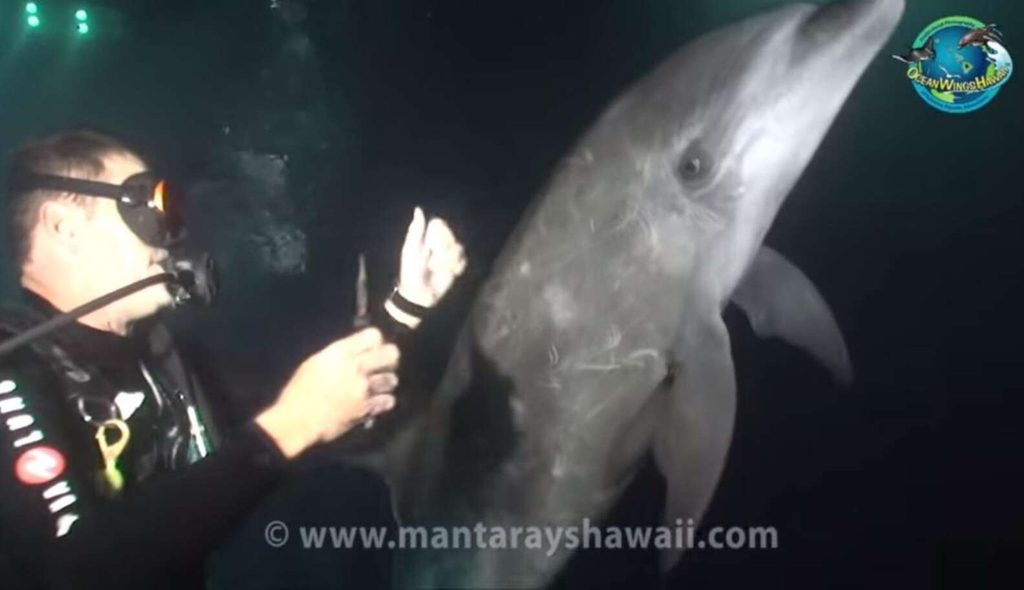
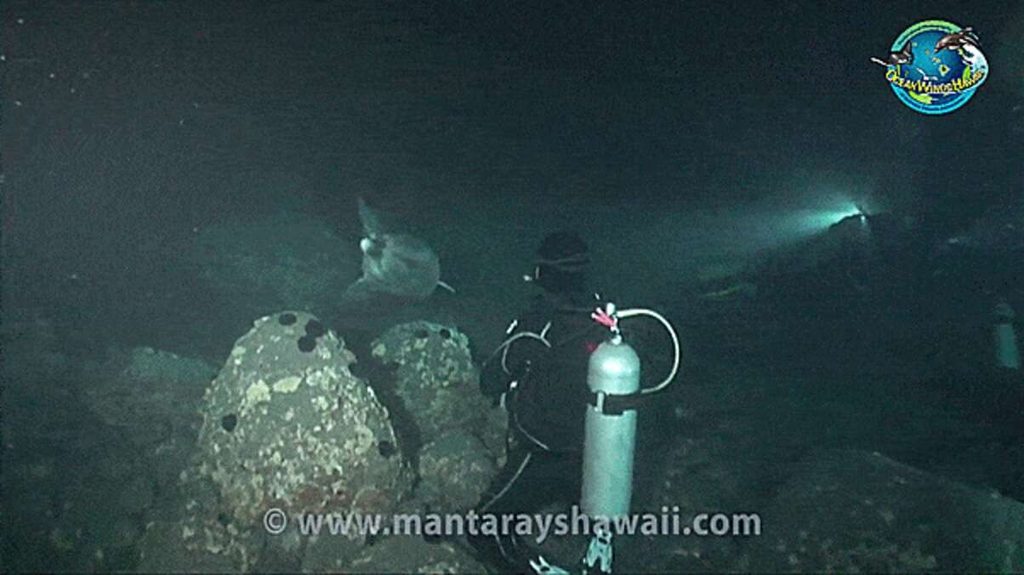
Laros is a scuba instructor with more than 10,000 dives behind him and the founder of the Manta Pacific Research Foundation. On this particular evening he was leading a group on a manta ray night dive, an experience for which Kona is famous. Divers gather around bright lights while giant manta rays glide in to feed on plankton.
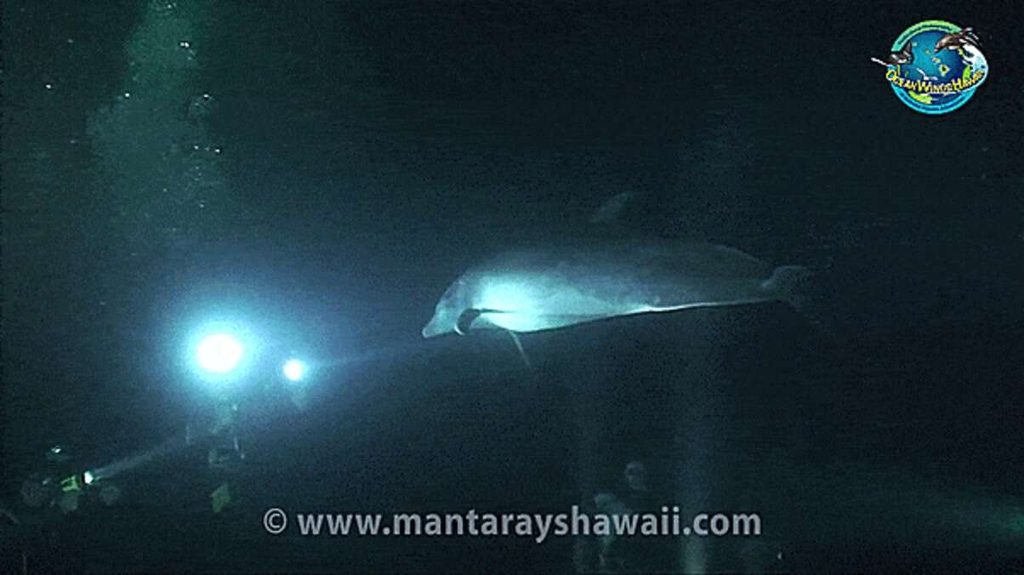
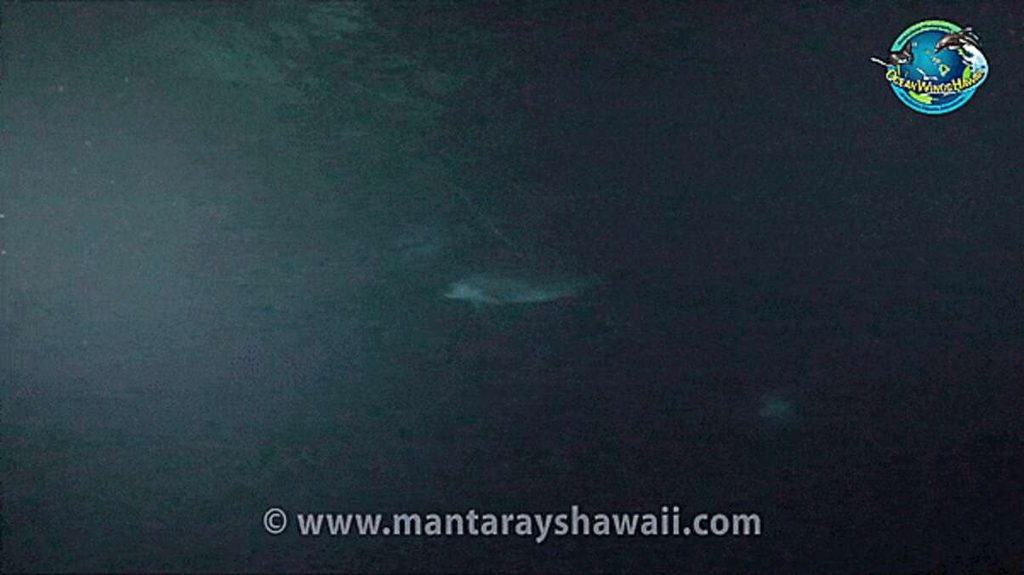
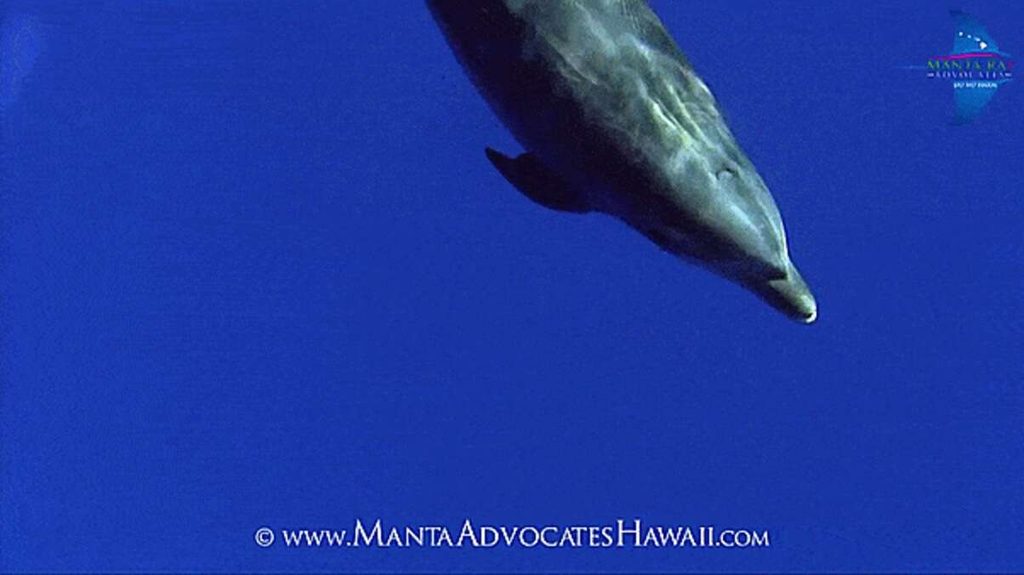
As the dive went on, Laros heard a loud squeak directly behind him. He turned, sweeping his dive torch through the water, and found himself face to face with a wild bottlenose dolphin, which can grow to roughly 10 feet long. This one was alone, which Laros thought unusual, since the group had previously seen dolphins at this site in pairs or in larger groups.
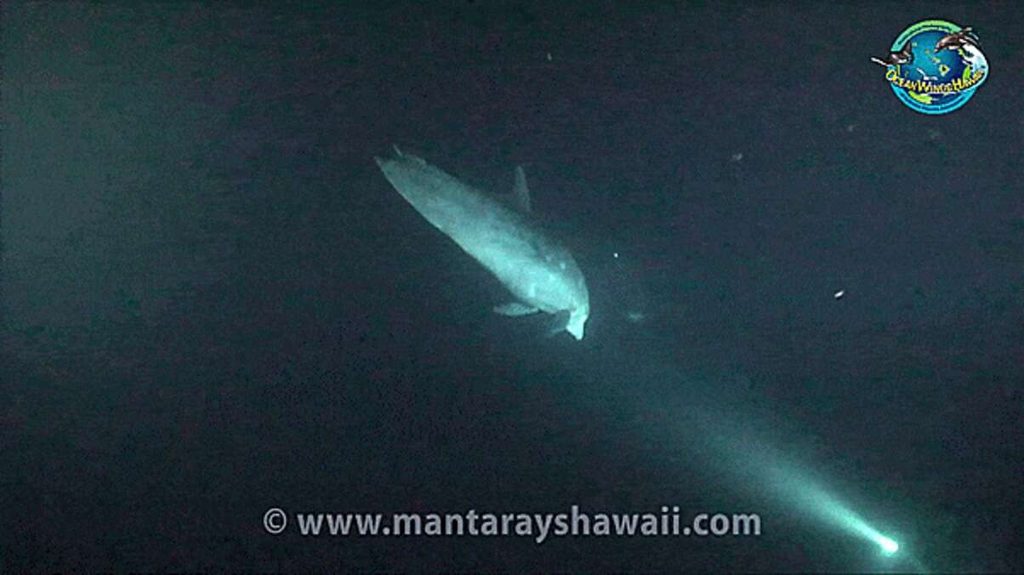
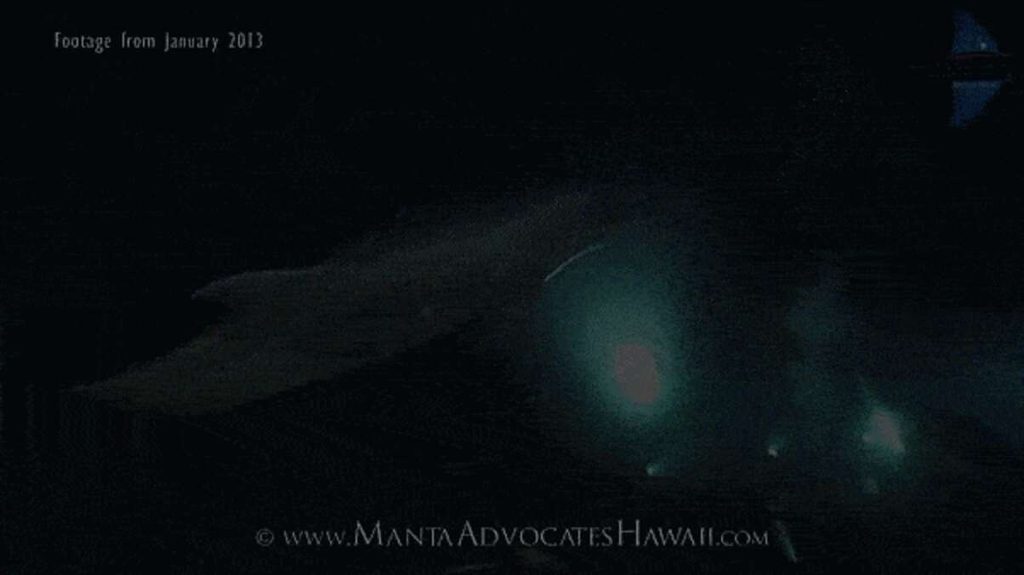
Then he noticed why. The dolphin’s left pectoral fin was tightly wrapped in fishing line, with a hook pierced through the flesh, and line trailing from its mouth.
Eight Minutes in the Beam of a Flashlight
What happened next is why the story spread so widely. Laros gestured with his finger, signaling the dolphin to come closer. It did, swimming right up to him and hovering motionless in the light. “He swam right up to me,” Laros later said. The animal appeared to understand that something was being done for its benefit.
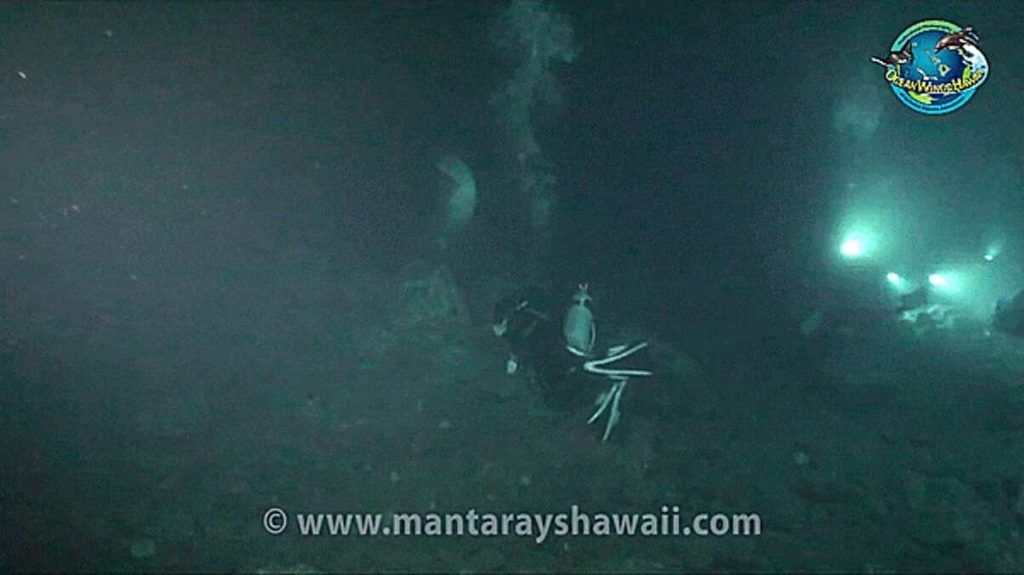
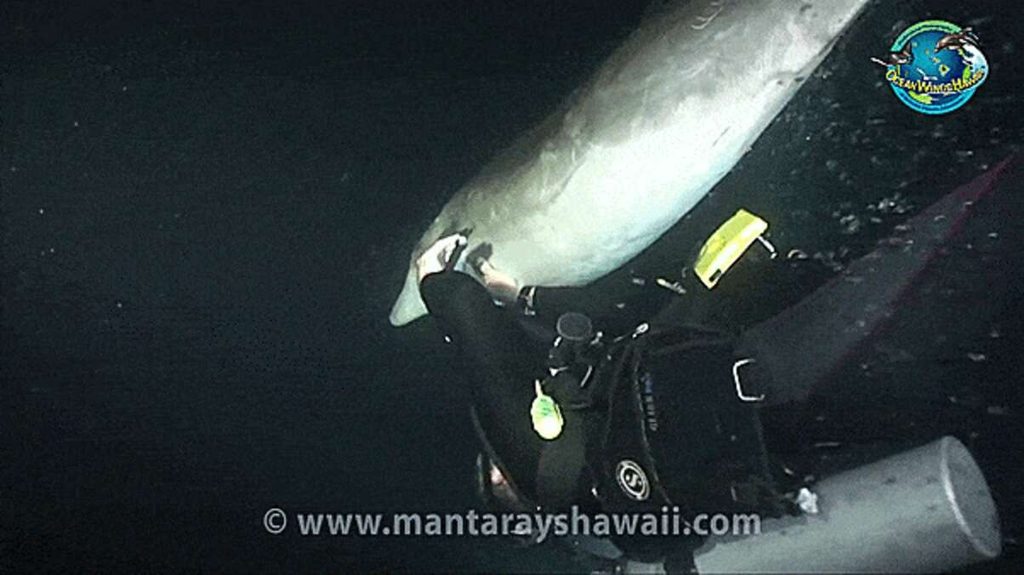
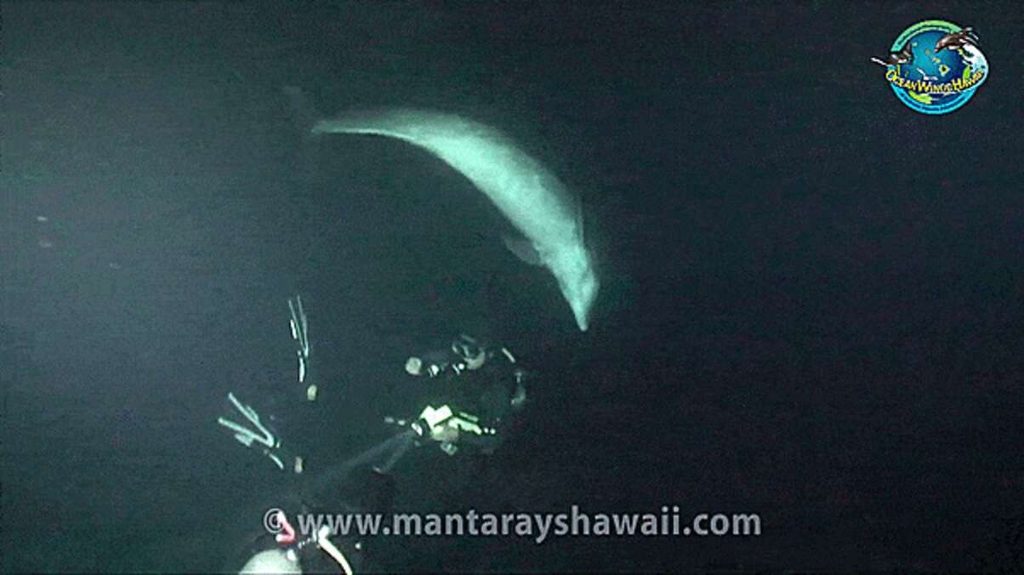
Laros worked slowly with small shears from his dive kit, removing the hook from the fin and clipping the line, which was sharp and had been cutting into the flesh. A second guide helped to remove more line from under the fin. At one point the dolphin rose briefly to the surface to breathe and then returned to the same spot, a moment that stunned the divers and is the heart of the video. The whole encounter lasted about eight minutes. When the last of the line was gone, the dolphin swam off into the night, and the divers never saw it again.
Laros has said he was concerned about the situation but not afraid, and that he worried the animal might get startled and hurt him. He had freed hooks from manta rays and sea turtles in the past, but never a dolphin. Describing the experience, he said the animal “came to us because he had a problem.”
Did the Dolphin Really Ask for Help?
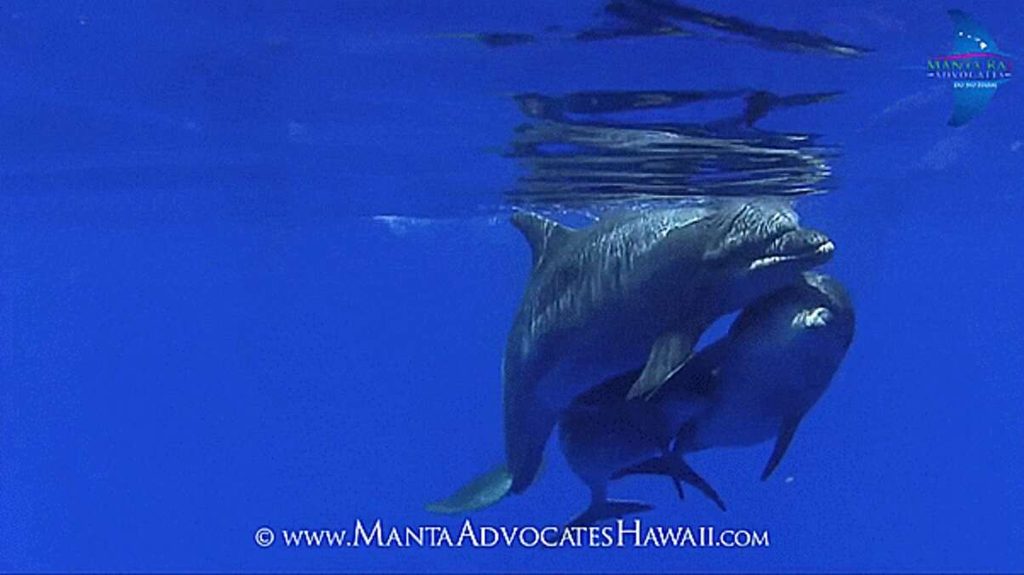
It is tempting to say that the dolphin knew exactly what it was doing, and many people who watched the video felt that way. Dolphins are intelligent, social animals with large brains and complex ways of communicating, and there are well-documented cases of them interacting with humans in unusual ways. Scientists are generally cautious about describing what an individual animal was thinking, though. What the footage shows for certain is a wild animal in pain behaving in a way that allowed a human to help, rather than fleeing, as most wild animals would.
The Danger Hiding in Discarded Fishing Gear
The most important lesson of the story has little to do with the dolphin’s behavior. Discarded or lost fishing line, hooks and nets are among the most serious threats to marine mammals, sea turtles, seabirds and other ocean life. Line like the kind that trapped this dolphin can cut into flesh, restrict movement, make it hard to feed or surface to breathe, and cause infection. Many animals that become entangled are never found.
Anglers, boaters and divers can help reduce the problem. Disposing of old line properly, recycling it at collection bins where available, avoiding casting near marine mammals and retrieving lost gear when it is safe to do so all make a difference. Volunteer dive groups also run underwater cleanups that collect large amounts of abandoned line and nets from reefs.
What You Should Do If You See a Tangled Marine Animal
Laros’s rescue was done by an experienced diver in a controlled situation, and wildlife experts stress that it is not a model to be copied. In the United States, wild dolphins and other marine mammals are protected by law, and approaching, touching or trying to free one yourself can be dangerous for both you and the animal, as well as illegal in many circumstances. Entangled animals can thrash unpredictably, and well-meaning attempts can make injuries worse.
The safest response is to keep your distance, note the location and the animal’s condition, take photos or video if you can do so safely, and call the marine mammal response network or the hotline operated by the national ocean agency in your region. Trained responders have the equipment and permits to disentangle animals properly.
Why Kona Is Such a Special Place to Dive
The story also highlights why the Kona coast has become one of the world’s best-known destinations for marine wildlife encounters. Its calm, clear waters and nighttime manta ray dives draw visitors from around the globe, and local dive operators emphasize responsible practices such as keeping a respectful distance from animals, not feeding or touching them, and following guidelines designed to protect both divers and marine life. For anyone thinking about learning to scuba dive, a certification course and a reputable local operator are the best places to start, along with a good understanding of safe diving practices.
For Laros and his group, the night remained an unforgettable one. A single dolphin in trouble found someone who could help, and the world got a rare glimpse of an encounter between humans and a wild animal that was based on trust.
Frequently Asked Questions
Where did the dolphin rescue take place? During a manta ray night dive off the Kona coast of Hawaii.
Who freed the dolphin? Scuba instructor Keller Laros, with help from a second guide, using small shears from his dive kit.
What was wrong with the dolphin? A hook was pierced through its left pectoral fin, and fishing line was wrapped around the fin and trailing from its mouth.
How long did the rescue take? About eight minutes, during which the dolphin stayed still and rose briefly to the surface for air.
Should I try to free a tangled marine animal myself? No. Keep your distance and contact the marine mammal response network or hotline in your region, because trained responders can do it safely and legally.
Sources: Scuba Diving Magazine; NBC News; Civil Beat; Manta Pacific Research Foundation.