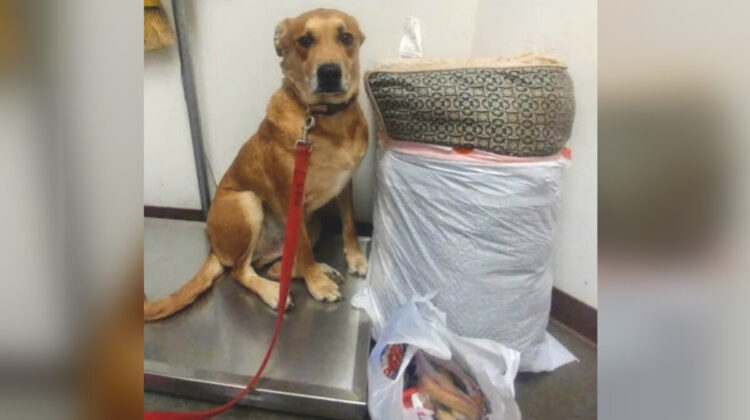
A Lab mix returned to an Arizona shelter with all of his belongings in tow, and a single photograph made thousands of strangers care what happened next.
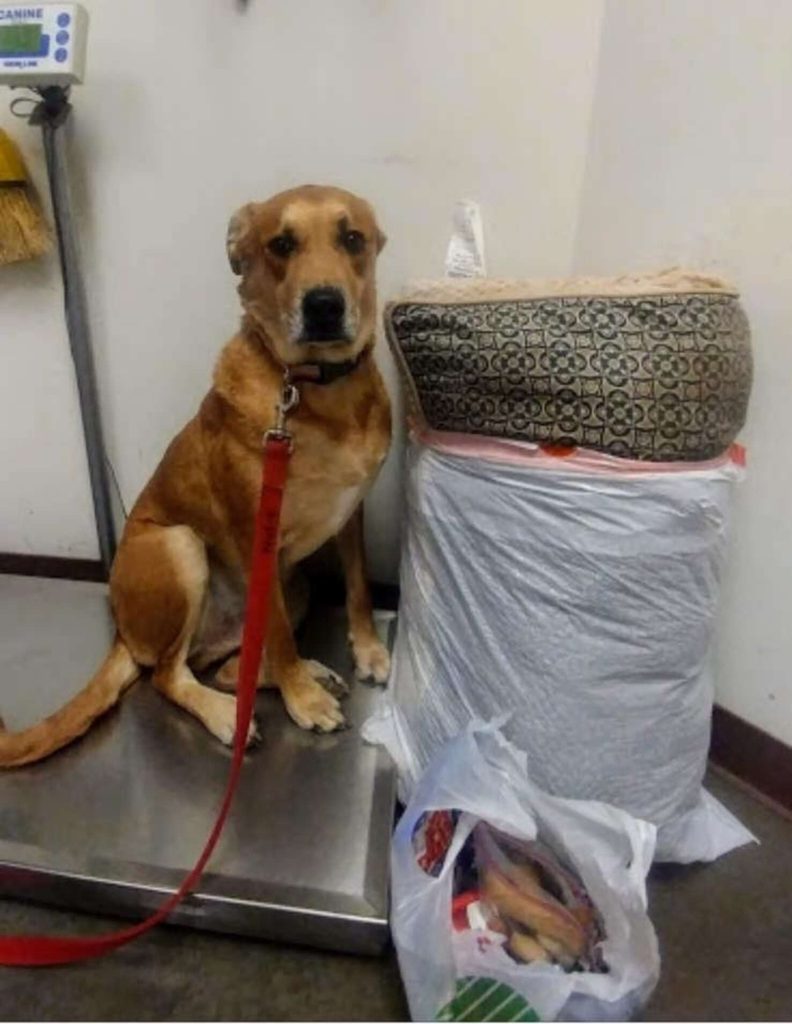
The photograph is almost unbearably simple. A dog sits beside two black garbage bags. Inside them are his bed and all of his toys, packed carefully by the family that had just given him up, as if the things he loved might follow him into his kennel. The dog is Wall-E, a Lab mix, and the photo of his return to Maricopa County Animal Care and Control in Arizona traveled far beyond the shelter’s walls, reaching animal lovers all over the world.
The Dog Who Thought He Had Found Forever
Wall-E had been through the shelter before. Years earlier he had been adopted from the same county facility, and by every account he believed he had found his family for good. About three years later, he was back. His family brought him in along with two garbage bags holding his bed and his toys.
What the shelter wanted people to understand, though, was that this was not a story about cruelty. In a post that accompanied the photograph, staff pleaded for kindness toward the family: “Please don’t bash his previous owners though. We don’t know the whole story. What we do know is the owner was heartbroken and crying. It was hard to finally help them leave. The staff was crying with the owners. We don’t believe this decision was taken lightly.”
Jordan Bader, who ran the shelter’s Facebook page, told The Dodo that the family had given him up because they did not have enough time for him. That is among the most common reasons that pets end up in shelters, and it is rarely as simple as it sounds. Jobs change, schedules fill up, finances tighten and life becomes complicated, and some owners find themselves facing a decision they never wanted to make.
Two Garbage Bags and a Question
For Wall-E, none of that made sense. He was frightened and confused, and staff said he barked and barked in his kennel. The shelter’s description of him was heartbreakingly human: he seemed to be wondering what he had done wrong.
The staff posted the picture with a short caption explaining that the owner had brought all of his things, “like it was gonna be there with him” in the kennel. They described a house-trained dog who was good with children, a sweet, handsome companion who simply needed someone to give him another chance. The post spread quickly across social media, and thousands of people shared it.
The Photo That Stopped Thousands of Scrollers
Shelters have long known that a good photograph can change an animal’s fate, and the story of Wall-E is a powerful example. Shelter pets are often overlooked in a kennel, where a dog who barks from fear can look stressed rather than lovable, and where older or larger dogs tend to wait longer than puppies. A story, and a picture that shows the dog as an individual, can change how people see them.
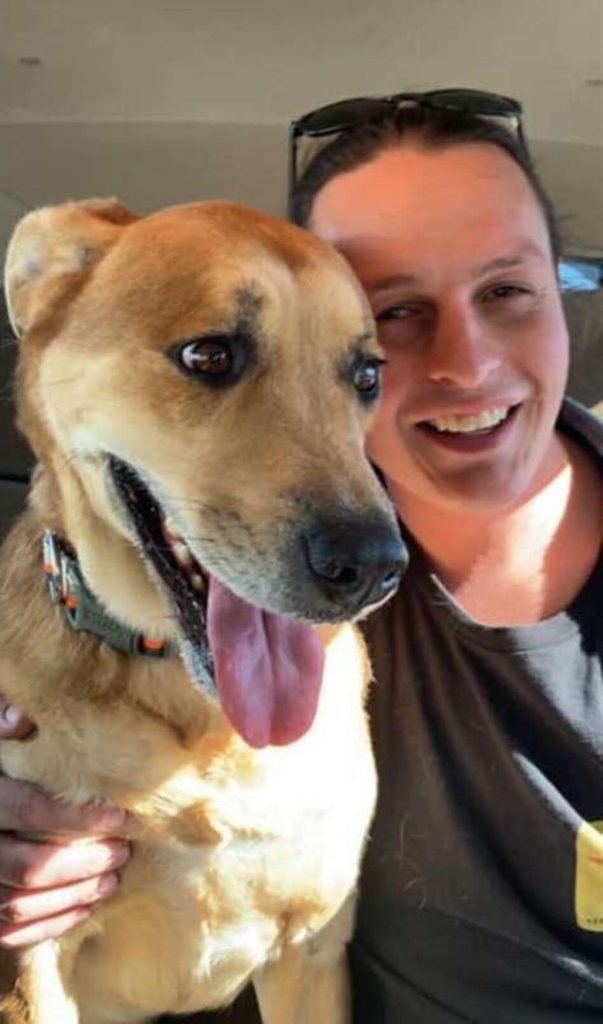
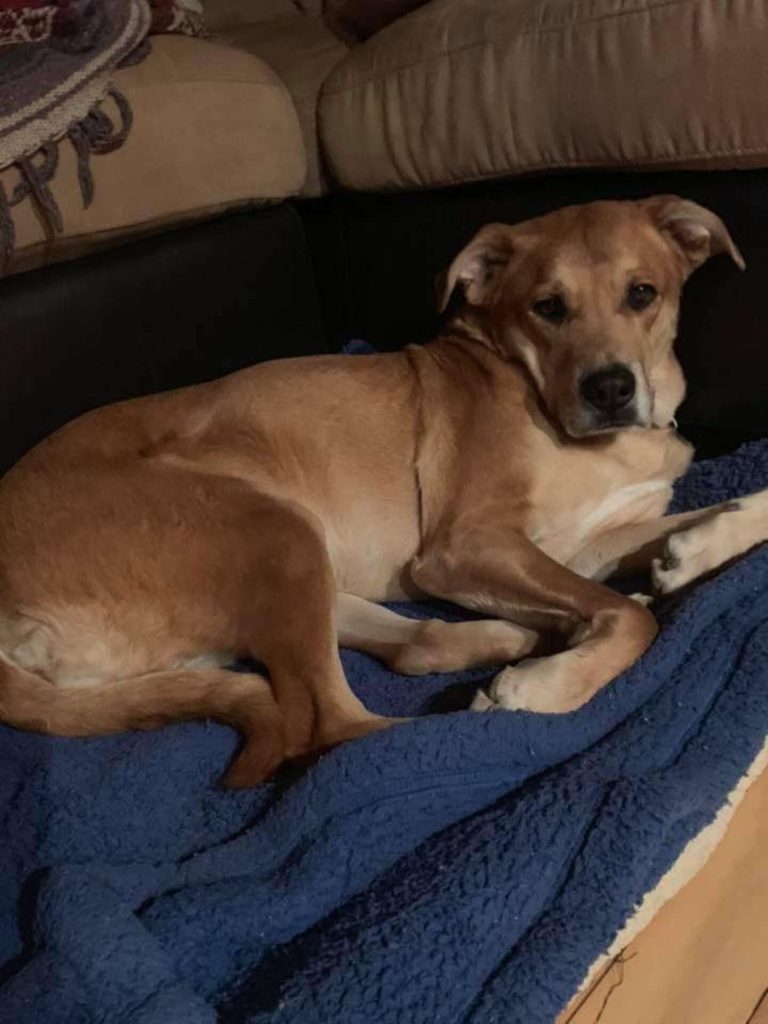
It worked. A woman named Lynn Lee saw Wall-E’s photo and came to meet him, bringing her own dog Marlee along to make sure the two would get along. They did, and she adopted him. Accounts differ on exactly how long he had waited: some reports say he was adopted within a day or two of the post, while others describe him being passed over for weeks beforehand. Either way, Wall-E left the shelter with a new home, a new canine companion, and, by all reports, a future of playing at the park and napping in the sun.
When You Truly Can’t Keep a Pet
The story raises an honest question for anyone who has ever struggled with the responsibilities of animal ownership: what should you do if you can no longer care for your dog? Shelters and welfare groups generally say the first step is to ask for help before giving up. A trainer or veterinary behaviorist can often solve problems that seem overwhelming, and some shelters and charities offer low-cost services or temporary assistance for people in difficult times. A trusted friend or relative may be able to take the animal in, and rescue groups can sometimes help to find a suitable home. If surrender really is the only option, a shelter or rescue is far safer than abandoning an animal, and providing the animal’s history, medical records and favorite things can help staff match them to a new family.
What Adoption Really Involves
Wall-E’s experience is also a reminder to think carefully before bringing a dog home. A dog may live a decade or more, and the costs add up: food, routine veterinary care, vaccinations, grooming, training and emergency treatment. Many owners now consider pet insurance to help with unexpected bills, and it is worth comparing coverage before an emergency arrives. Dogs also need exercise, attention and company every day, which is exactly what Wall-E’s first family felt they could not provide. Considering your schedule, your budget and your living situation honestly before adopting is one of the kindest things you can do for the animal.
Shelters like MCACC rely on donations and volunteers to care for the thousands of animals that pass through their doors, and many are overcrowded. Adopting, fostering, volunteering or simply sharing an animal’s story can all make a difference. Wall-E’s did, in a single photograph.
Frequently Asked Questions
Who is Wall-E? A Lab mix who was returned to Maricopa County Animal Care and Control in Arizona with a bed and toys packed in two garbage bags, and whose photo went viral.
Why was he surrendered? According to the shelter’s Facebook manager, his family said they did not have enough time for him. Staff said the owner was heartbroken and that the decision was not taken lightly.
Did Wall-E find a new home? Yes. A woman named Lynn Lee adopted him after seeing his photo and meeting him with her own dog.
What should I do if I can’t keep my pet? Start by asking for help, such as a trainer or veterinary behaviorist, or a trusted friend or relative, and contact a shelter or rescue if you must rehome the animal.
How can I help shelter animals? You can adopt, foster, volunteer, donate or share the stories of adoptable animals.
Sources: The Dodo; Rover; iHeartDogs; Western Journal; Bored Panda; Maricopa County Animal Care and Control.