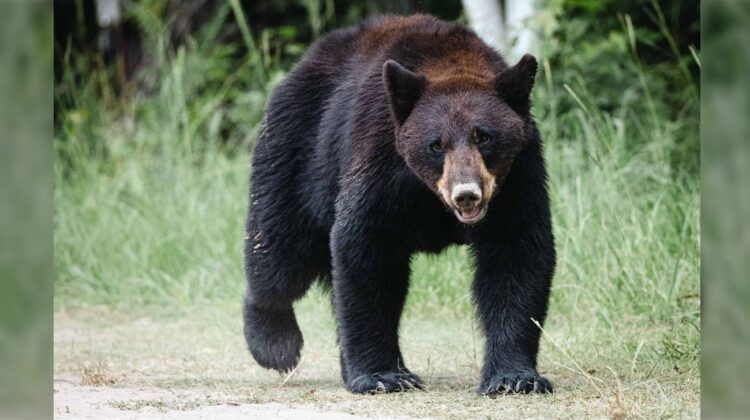
An Ohio hunter shot a buck, lost its trail in a cornfield and hired a drone to help. The aircraft’s thermal camera quickly picked up a warm shape in the corn. But when the drone dropped lower for a closer look, the shape wasn’t a deer. It was a black bear, napping in the field, with a tracking collar around its neck.
How the Bear Was Found
The drone service, based in Lake County, Ohio, flies drones with heat-sensing cameras, which show warm bodies as glowing shapes even when they are hidden from view. Its customers include hunters searching for downed deer, farmers with missing livestock and people looking for lost dogs. The Akron Beacon Journal reported on the discovery, which was based on a post the company shared on Facebook.
According to the company, the bear woke up and lifted its head toward the drone, which was hovering about 100 feet overhead. That movement revealed the collar. After that, the bear simply watched the drone. The company contacted the Ohio Department of Natural Resources (ODNR) to report the sighting and hoped to learn more about where the collared bear had been.
Why Was a Bear Lying in a Cornfield?
Ohio’s black bears usually den from late fall through early spring. But a black bear’s winter sleep is light, with only a small drop in body temperature, and the National Wildlife Federation notes that bears can remain active through their usual denning months when the weather is warm.
Corn is another factor. Bears readily eat farm crops when they’re available. In one study, researchers fitted wild black bears with GPS collars and implanted heart monitors. Bears crossing bare, open ground had faster heartbeats than their walking pace would explain, which the researchers took as a sign of stress. In fields full of food, however, the bears slowed down and their heart rates dropped too. To a bear, a cornfield seemed to be a place to relax.
The same study found that in autumn, bears’ heart rates began to fall about two weeks before they started moving less, suggesting that their bodies were already preparing for winter while they were still out eating.
A Calm Bear With a Racing Heart
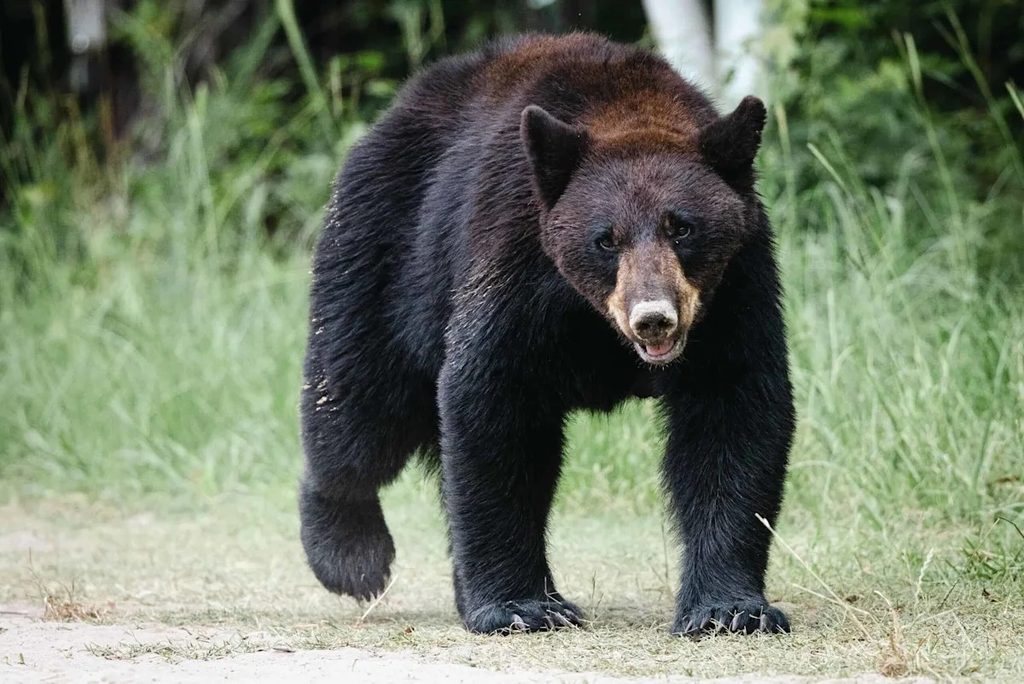
Another study, by researchers at the University of Minnesota, looked at how drones affect bears. They fitted heart monitors on five captive black bears and flew a drone over them. On the first flight, the bears’ heart rates jumped by about 50 beats per minute. In earlier work, the same team found that wild bears’ heart rates rose to as much as four times normal when a drone was nearby, even though the animals barely reacted outwardly. The bears got used to the drone fairly quickly, and by the third week of flights twice a week, the spikes had largely leveled off.
Why the Collar Matters
For wildlife biologists, the collar is the most interesting part of the story. A sighting shows that a bear was in a field on a particular day. A GPS collar shows where it has been all year. Scientists also use trail cameras and DNA from hair or droppings to estimate numbers and track individuals. In places where bears are only beginning to return, these tools help distinguish resident bears from ones that are just passing through.
That matters in Ohio, where black bears were wiped out generations ago as forests were cleared. They are still listed as endangered under state law. Most bears seen in recent years were probably young males wandering in from Pennsylvania or West Virginia, and a young male usually won’t stay if no females live nearby.
That is starting to change. ODNR wildlife biologist Katie Dennison says there is now consistent evidence of female bears having cubs in northeast Ohio, and a mother with cubs has been confirmed in Meigs County in the southeast.
What We Don’t Know
The details of the story come from the drone company’s own post and local reporting. It isn’t clear which research project fitted the bear with its collar, where the bear had traveled or how ODNR responded. The heart-rate research was done on captive bears and in specific study areas, so it may not fully describe every wild bear’s reaction.
©Tom Reichner/Shutterstock.com
Drones and Wildlife
Drones can help locate lost animals and recover game, but they can also stress wildlife. Rules about flying drones near wildlife, or using them while hunting, vary by state and by whether the land is public or private, so it’s important to check local regulations. Wildlife agencies generally recommend keeping drones high and far from animals and leaving immediately if an animal shows signs of alarm.
If You See a Bear
Experts advise staying calm and keeping your distance, never approaching or feeding a bear, backing away slowly and securing food and trash so bears aren’t drawn in. Reports of bear sightings in places where they’re rare can help biologists, so contact your state wildlife agency.
Tools for Watching and Protecting Wildlife
Nature lovers who want to see wildlife without disturbing it often use trail cameras and binoculars, while landowners in bear country invest in bear-resistant food containers and bear spray. Hunters and farmers who recover animals with technology often compare thermal imaging drones and thermal scopes, and those who want to help bears can look into wildlife conservation donations and habitat restoration programs, with travel insurance for trips into remote areas.
Frequently Asked Questions
What did the drone find? A black bear wearing a tracking collar, napping in a cornfield.
Why wasn’t the bear hibernating? Black bears sleep lightly, may stay active in warm weather and will feed on crops like corn.
Do drones scare bears? Studies suggest drones can raise a bear’s heart rate sharply even when the animal barely reacts, though bears can get used to them.
Are there black bears in Ohio? Yes, in small numbers. They’re listed as endangered in the state, and there’s growing evidence that females are having cubs.
Sources: Akron Beacon Journal, Ohio Department of Natural Resources, National Wildlife Federation, University of Minnesota