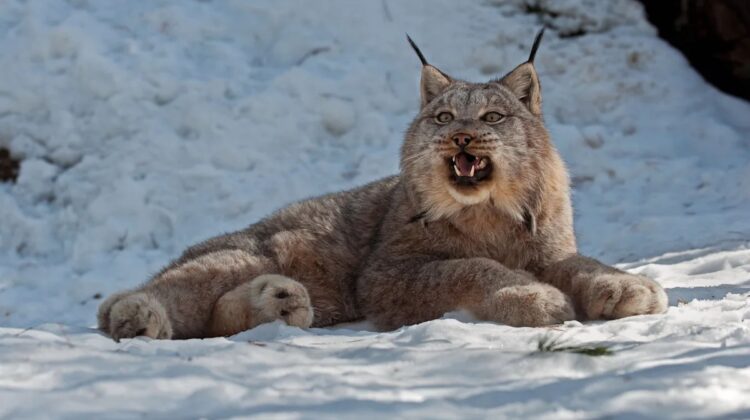
A graduate student checking motion-sensing cameras in northern New Mexico found something he could hardly believe: a wild cat that hasn’t been documented in the state for about 25 years. After careful study, researchers confirmed that the animal in the photos was a Canada lynx, one of North America’s most elusive cats.
The Discovery
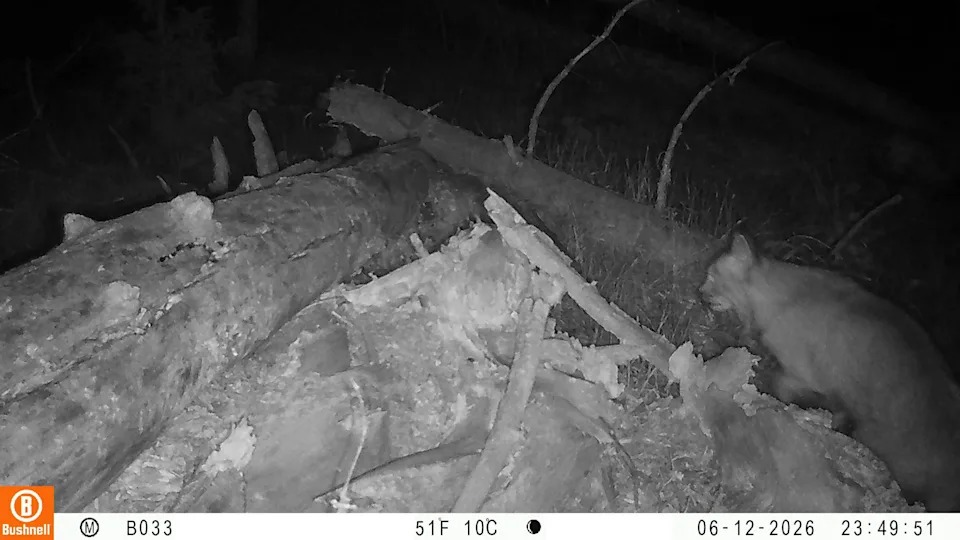
William Grooms, a graduate student in the Department of Fish, Wildlife and Conservation Ecology at New Mexico State University, was using trail cameras to study wildlife in Carson National Forest in northern New Mexico. When he went through his first batch of images, a cat caught his eye.
His first challenge was to rule out the more common bobcat (Lynx rufus), which looks similar. He told Popular Science that the cat had the ear tufts and facial ruff typical of both species, but it lacked the black spots usually seen on a bobcat. A clear image of the tail also showed a solid black tip, whereas a bobcat’s tail has white on the underside. His confidence grew, and he and his team showed the pictures to other researchers, who confirmed that it was a Canada lynx (Lynx canadensis).
How to Tell a Lynx From a Bobcat
The two cats are easy to confuse, but there are clues:
- Tail. A lynx’s tail tip is solid black all the way around. A bobcat’s has white underneath.
- Coat. Bobcats usually have distinct dark spots, while a lynx’s coat is plainer, grayish or yellowish-brown.
- Legs and paws. Lynx have long legs and very wide, fur-lined paws that work like snowshoes.
- Ears and face. Both have ear tufts and a facial ruff, but the lynx’s are generally more prominent.
A Cat of the Northern Forests
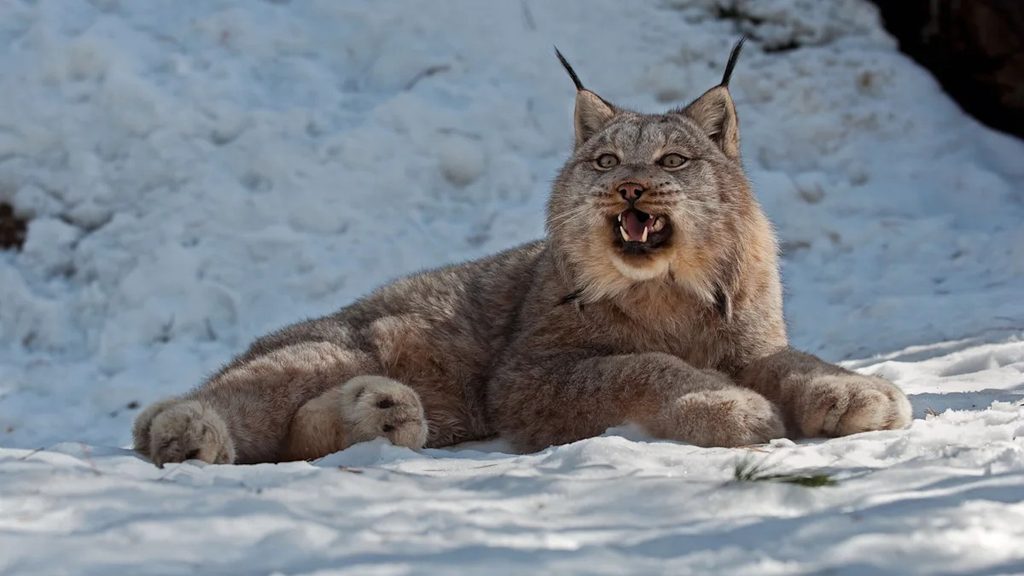
The Canada lynx lives in dense boreal and subalpine forests across much of Canada and Alaska. Its main prey is the snowshoe hare (Lepus americanus), and the cats follow the hares into the forest understory, the ground-level layer of fallen trees and thick vegetation where hares hide. In the contiguous United States, the species is listed as threatened under the Endangered Species Act.
Why the Sighting Matters
Grooms’s study is looking at how efforts to reduce wildfire risk affect wildlife in the Southern Rocky Mountains. Fuel reduction methods, such as thinning, prescribed burning and timber harvesting, lower the risk of severe fires, but they can also remove important habitat features such as the dense understory that hares and lynx rely on. Grooms said the goal is to give forest managers practical, science-based advice so they can make well-informed decisions about managing forests.
Knowing that at least one Canada lynx has been in the area adds to that effort by showing that the animals may still use these forests.
What We Don’t Know
There is a lot the sighting doesn’t tell us:
- It’s one animal, so the photos don’t show that a breeding population exists in New Mexico.
- Researchers haven’t said where the cat came from or whether it’s still in the area.
- It isn’t clear what the finding will mean for forest management decisions in the region.
- A rare sighting can be exciting without changing a species’ overall status.
How You Can Help Wildlife Researchers
Photos and tracks from hikers and landowners can help biologists detect rare animals. If you think you’ve seen an unusual cat, take pictures from a distance, note the time and location, and contact your state wildlife agency. Never approach or disturb the animal.
Watching Wildlife in the Rockies
Wildlife enthusiasts who want to explore forests like these often use trail cameras to see what passes through, carry binoculars and a wildlife photography camera with a telephoto lens, and compare Rocky Mountains travel packages and hiking gear for trips, with travel insurance for remote areas. Those who want to support research and habitat protection can also look into wildlife conservation donations and forest conservation charities.
Frequently Asked Questions
What was discovered? A Canada lynx photographed by trail cameras in Carson National Forest in northern New Mexico, the first documented in the state in about 25 years.
Who found it? A graduate student named William Grooms from New Mexico State University.
How can you tell a lynx from a bobcat? A lynx has a solid black tail tip and fewer spots, while a bobcat’s tail has white underneath.
What do lynx eat? Mostly snowshoe hares.
Sources: Popular Science, New Mexico State University