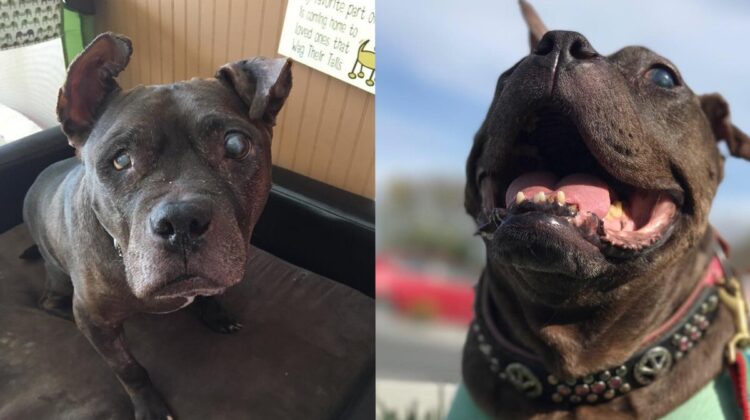
Gremlin survived dog fighting, cancer and a failed eye surgery. Then a veterinary ophthalmologist tried something almost no one had thought of.
When a dog grows old, the changes are often subtle at first. She sleeps a little more, plays a little less, and slowly seems to withdraw from the world. For Gremlin, a senior pit bull living in upstate New York, those changes had a cause that was easy to miss and heartbreaking once it was understood: she could no longer see what was in front of her. A pair of contact lenses, an idea that surprised even her veterinarian, brought the dog her family knew back into the room.
A Dog Who Had Already Overcome So Much
Gremlin’s life had never been easy. She was rescued from dog fighting at around the age of four, and over the years she survived cancer, irritable bowel syndrome and a blood disease called babesia. Despite all of it, she grew into a sweet and gentle companion and became a certified therapy dog.
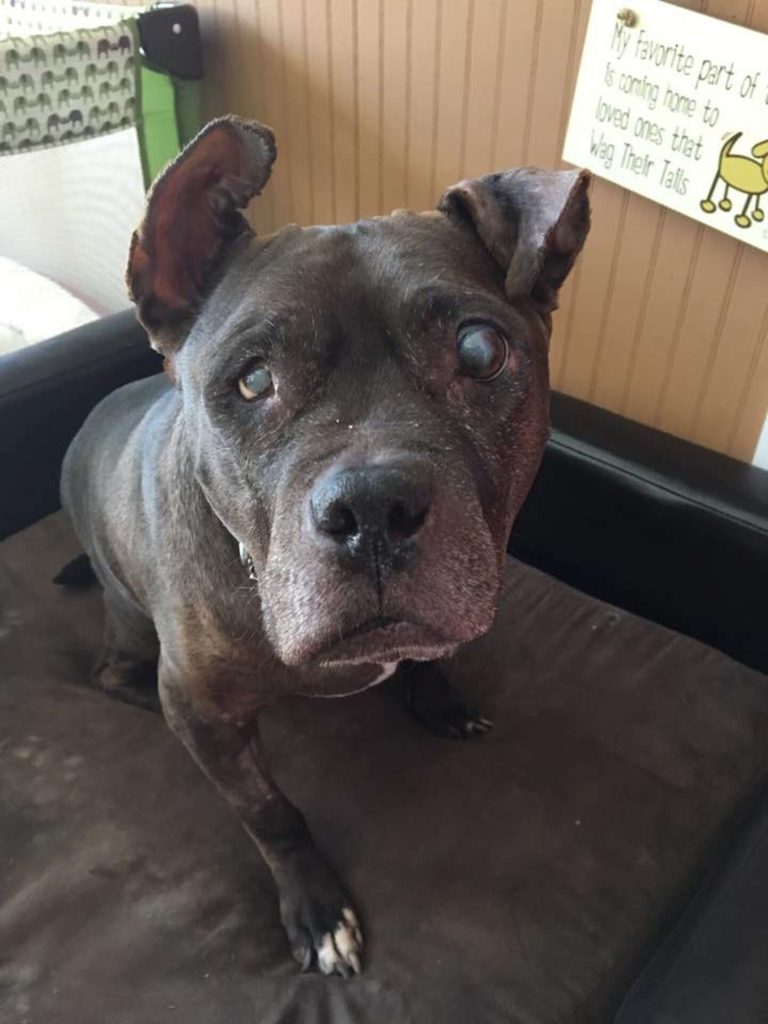
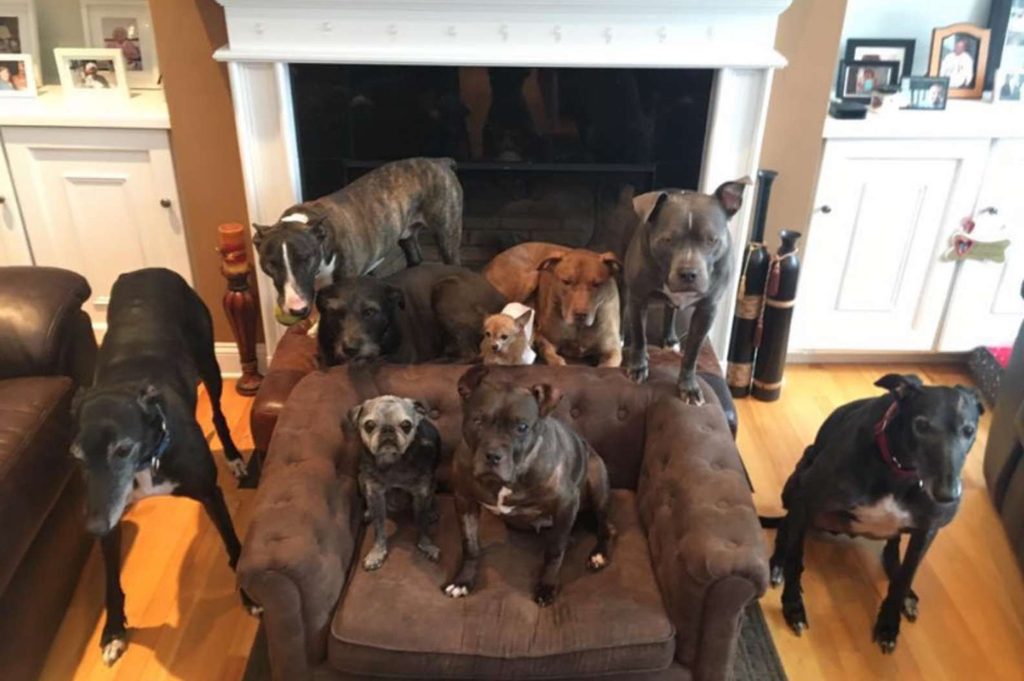
She found her home with Chris and Mariesa Hughes, the founders of the Mr. Mo Project, a nonprofit that places sick and elderly shelter dogs in “fospice” homes, where they live out their lives in comfort. The couple have said they put tens of thousands of dollars of their own money into turning their home into a sanctuary for older dogs, and at one point shared it with nine of them.
The Day the World Went Blurry
Gremlin’s eyes had been failing for some time. She was already partially blind when cataracts appeared, and surgery was meant to help. Instead, afterward she developed dangerous pressure inside her right eye, a condition linked to glaucoma, which left that eye permanently blind and painful. Her left eye could see only distant objects and not those close by, so everything in front of her was a blur.
Life changed quickly. She bumped into furniture, became easily startled, struggled to find her food bowl and was no longer able to play with the other dogs. “It was awful to see, and it seemed she just started sleeping a lot more,” Mariesa Hughes told The Dodo. Worse still, Gremlin began to pull away from the people she loved. “That was the worst,” Mariesa told Today. “You don’t want to go to love on your dog and have her be absolutely scared to death.”
An Idea Nobody Expected
The Hughes family refused to give up. They asked local vets about glasses for dogs, and a veterinary ophthalmologist, Dr. Petra Lackner, came up with a more surprising suggestion: contact lenses.
It was an unusual idea. Contact lenses are used in veterinary medicine, but mostly as a kind of bandage to protect an injured cornea, not to correct a pet’s vision. Lackner proposed soft lenses for Gremlin’s left eye, using human-grade lenses rather than much more expensive veterinary versions. Reports said that each cost only a few dollars and that they needed to be replaced every few days to about once a week.
The Moment She Could See Again
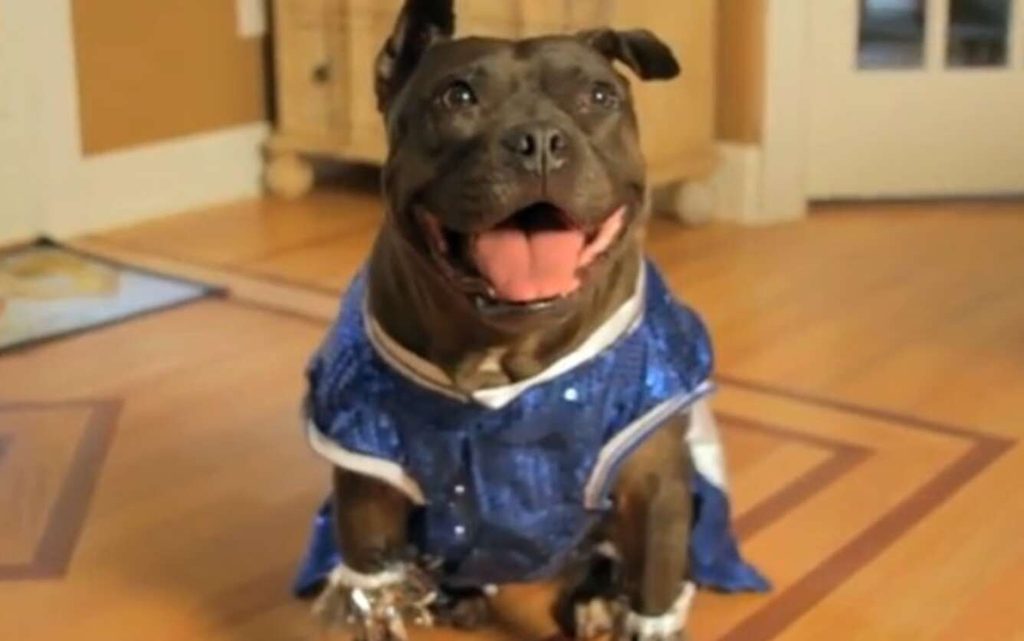
The effect was immediate. According to a post on Facebook, Gremlin’s whole attitude changed the moment she realized she could see. She leapt off the exam table and began running around the hospital. “I think all of us had tears in our eyes when she looked up, as if coming out of a daze, and took off!” Mariesa told The Dodo. “It still gives me goosebumps.”
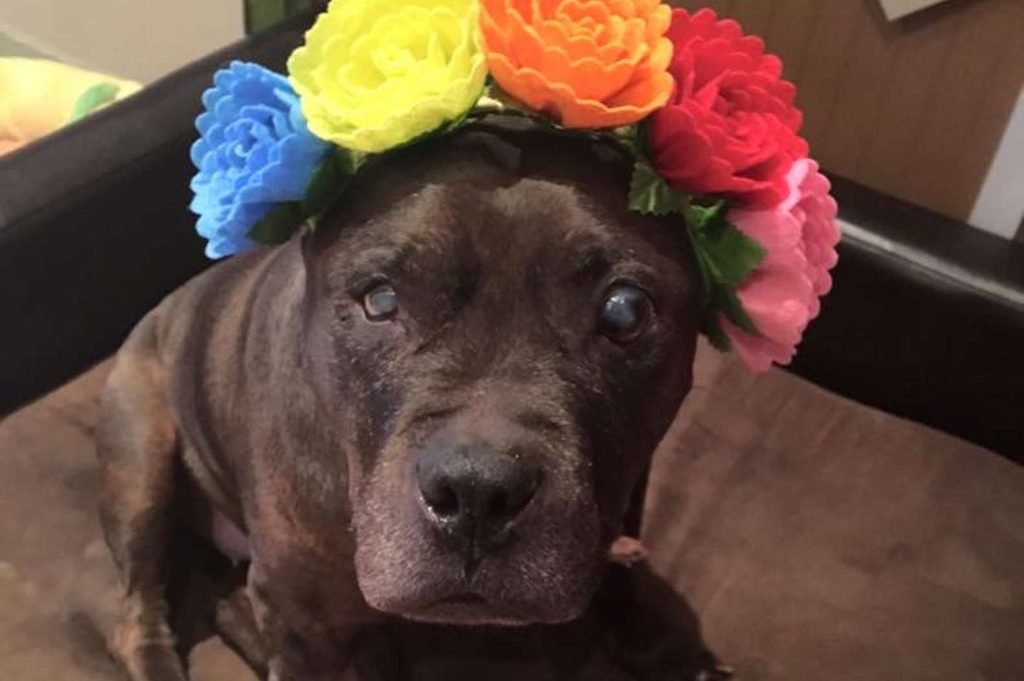
At home, the difference was just as striking. Gremlin could finally navigate the house with ease, find her bowl and rejoin the other dogs in play. Her owners noticed that when a lens fell out, her old behavior returned, which was proof of how much it mattered. One of her most memorable moments came when she lay down in front of a mirror-like plate at the bottom of a door and simply stared at her own reflection. “It was amazing,” Mariesa told Today.
What Owners Should Know About Canine Vision Problems
Gremlin’s story is a happy one, but veterinary experts stress that her treatment was a specialized solution for a particular problem and not something owners can try themselves. Contact lenses for dogs are a medical device that must be prescribed and monitored by a veterinary ophthalmologist, since a poorly fitted or dirty lens can damage the eye.
The more general lesson is that vision problems in older dogs often go unnoticed. Cataracts, glaucoma and other eye conditions are common in senior pets, and warning signs include bumping into objects, hesitating on stairs, clumsiness in new places, cloudy or bluish eyes, and changes in behavior. Early checks can make treatment easier, and regular veterinary visits for older dogs are one of the best ways to catch problems in time. Eye care and surgery can be expensive, which is why many owners look at pet insurance and plan ahead for the cost of senior care.
Giving Old Dogs the Life They Deserve
The Hughes family says their motivation is simple. Too many people give up their older dogs when they become inconvenient, they believe, and they have made a promise to their own. “They are our family and we have made a promise to them to give them the best life we can,” Mariesa said. Organizations like the Mr. Mo Project depend on donations, foster families and volunteers, and many shelters have a growing number of senior animals waiting for homes.
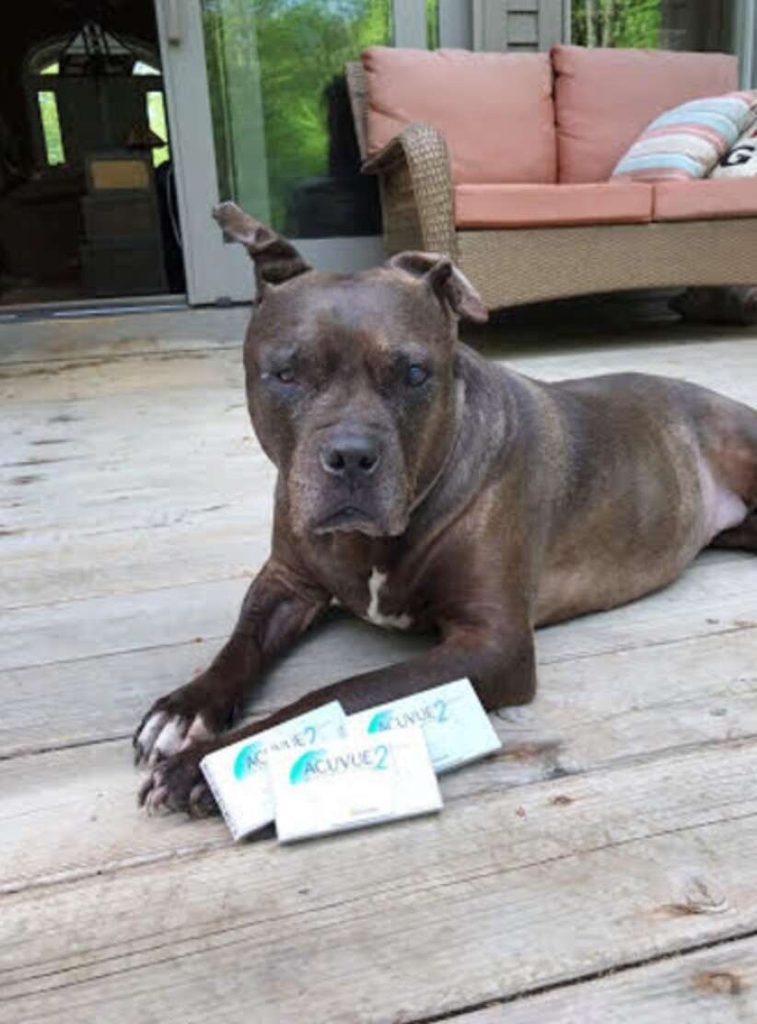
For Gremlin, a small piece of clear plastic did what no one expected. It gave her back her world, and it gave the people who love her a reminder that the right idea, applied with care, can transform an old dog’s final years.
Frequently Asked Questions
Who is Gremlin? A senior pit bull, rescued from dog fighting, who became a therapy dog and lives with Chris and Mariesa Hughes, founders of the Mr. Mo Project.
Why did Gremlin lose her sight? She had cataracts and partial blindness, and after surgery she developed pressure in her right eye that left it permanently blind, while her left eye could only see distant objects.
How did contact lenses help? Soft lenses in her left eye corrected her close-range vision, so she could find her bowl, walk through the house and play again.
Are contact lenses common for dogs? No. Vets mostly use them as bandages for eye injuries, and using them to improve vision, as in Gremlin’s case, is unusual and must be done under veterinary supervision.
What are signs of vision loss in dogs? Bumping into objects, hesitating on stairs, startling easily, cloudy eyes and withdrawing from play or family.
Sources: Today; The Dodo; Inside Edition; UC Davis School of Veterinary Medicine; iHeartDogs.