• Skip to main content
  • Skip to primary sidebar
  • Skip to footer
  • Home
  • About Us
  • Copyright Report
  • Submit Content
  • Terms
  • Privacy Policy
  • Legal Disclaimer

Hasan Jasim

Hasan Jasim is a place where you may get entertainment, viral videos, trending material, and breaking news. For a social generation, we are the largest community on the planet.

Did You Know? Ancient Roman Statues Were Actually Colorful

by Hasan Jasim Editorial Team Leave a Comment

ShareTweet

We’ve all seen the iconic white marble statues of ancient Greece and Rome. But did you know that these statues were not originally white? In fact, they were painted in a wide range of bright colors.

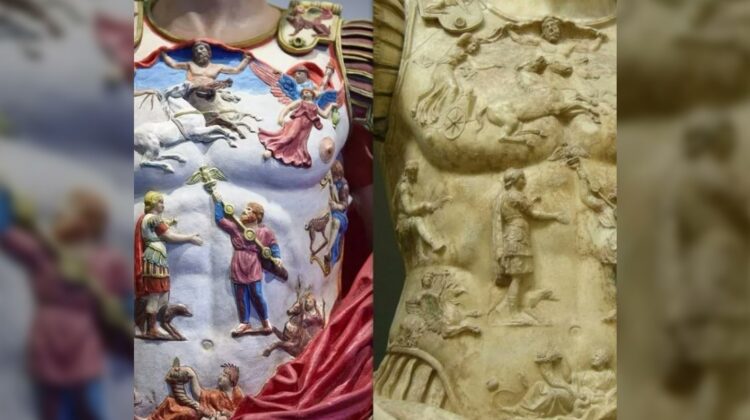
Roman artists used a variety of pigments, painting media, and surface applications to embellish their marble sculptures. Common pigments included cinnabar for red, ochre for yellow, and lapis lazuli for blue. These pigments were mixed with a variety of binders, such as egg tempera or animal glue, and applied to the surface of the marble with brushes or sponges.
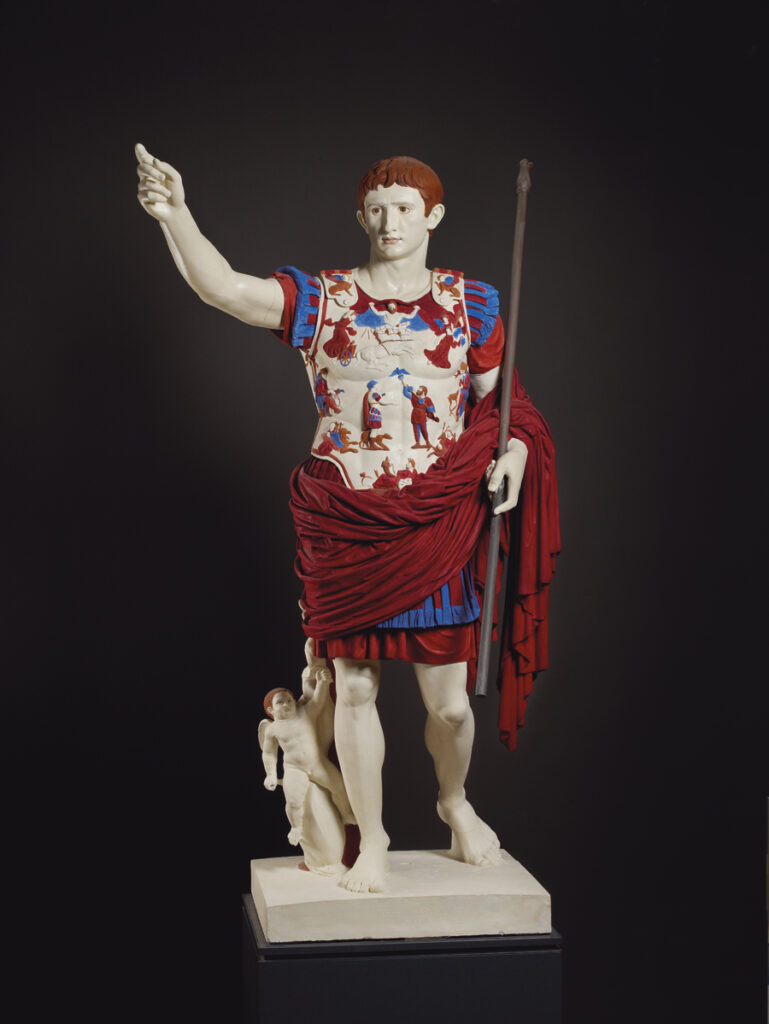
The paint served a number of purposes. It made the sculptures more realistic and lifelike, and it also helped to protect the marble from the elements. In addition, the use of color could be used to convey symbolic and religious meaning.

Unfortunately, the paint on most Roman statues has faded or worn away over time. This is due to a number of factors, including weathering, exposure to the elements, and the cleaning methods used by archaeologists.
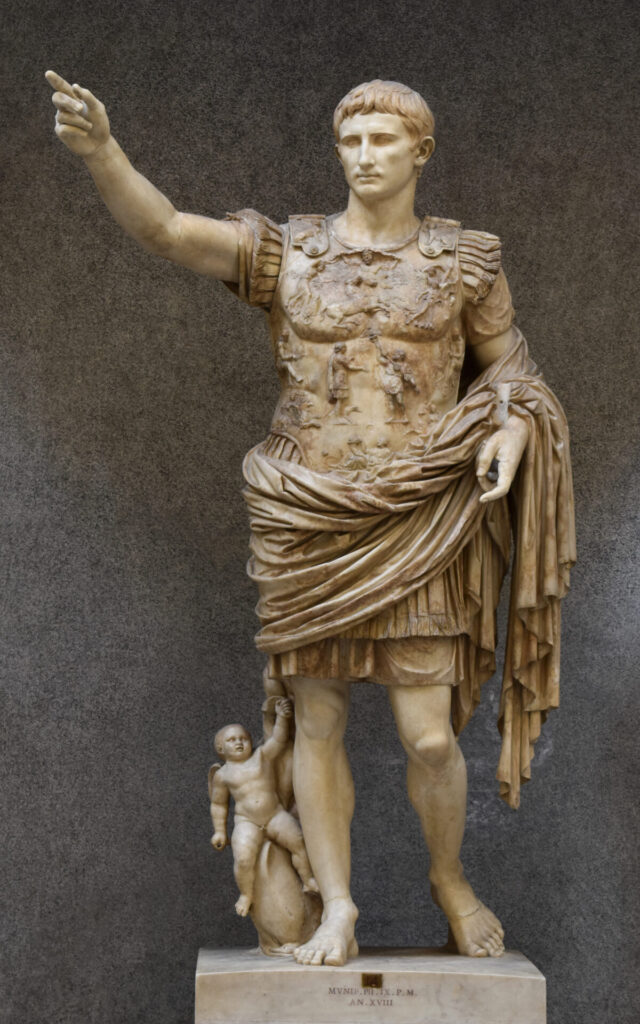
For many years, archaeologists and museum curators believed that ancient Roman statues were originally white. This belief was based on the fact that most of the statues that had been unearthed were white. However, in the 19th century, archaeologists unearthed better-preserved items that had traces of color.

Despite this evidence, the idea that Roman statues were white persisted. In some cases, archaeologists even actively scrubbed the paint off of the statues in an attempt to restore them to their “original” state.

It was only in the 1960s that scholars began to seriously consider the possibility that Roman statues were actually painted. This was due in part to the development of new techniques for analyzing paint residues.

As a result of this research, we now know that Roman statues were indeed colorful. The paint on these statues was a vibrant and important part of the artwork.

The rediscovery of the polychromy of ancient Roman statuary has had a profound impact on our understanding of Roman art. It has shown us that Roman artists were not just skilled sculptors, but also talented painters. It has also helped us to appreciate the full beauty and complexity of Roman art.

Filed Under: Trends Worldwide Tagged With: actually, ancient, colorful, know, roman, statues, trends, were, worldwide

Reader Interactions

Leave a Reply Cancel reply

Your email address will not be published. Required fields are marked *

Primary Sidebar

More to See

Man in Australia Explains Why He Lets a Huge Huntsman Spider Live In His House

By Hasan Jasim Editorial Team

Nature’s Impression: A Concrete Walkway in Singapore’s Botanical Gardens

By Hasan Jasim Editorial Team

Why Do Sea Urchins Wear ‘Hats’?

By Hasan Jasim Editorial Team

The Story of the Eerie Shark Statue at the Bottom of Lake Neuchâtel in Switzerland

By Hasan Jasim Editorial Team

A Great White Shark is Seen Napping For the First Time Ever on Camera

By Hasan Jasim Editorial Team

Friendly Beluga Returns Phone Woman Accidentally Dropped Into Ocean

By Hasan Jasim Editorial Team

Orangutan mom, thought to be infertile, gives birth and is captured on camera for the first time

By Hasan Jasim Editorial Team

Footer

About hasanjasim.online

Hasanjasim.online is a digital platform dedicated to publishing diverse articles and content, with a strong focus on topics related to the animal kingdom, nature, and the environment. The website offers engaging stories and visual content aimed at raising awareness about animal welfare and showcasing the wonders of the natural world, making it a great destination for nature lovers and curious readers alike.

Recent

  • When Her Nonverbal Son’s Communication Device Died at Dinner, This Mom Found a Backup That Never Runs Out of Battery
  • Lamb’s Quarters: The Wild “Weed” That Outperforms Spinach in Nutrition
  • A Restaurant Put Up One Simple Sign for Its Teenage Staff — and It Says Everything We Forget to Say
  • Bees Can Smell 50 Times Better Than Dogs — Here’s How
  • Elderly Mushroom Picker Dies in Suspected Bear Attack in Japanese Forest
  • Don’t Throw Away Those Watermelon Rinds: Make Crunchy Homemade Pickles
  • Under an Active Volcano: The Ancient Art of Sun-Drying Tomatoes at Mount Etna

Search