
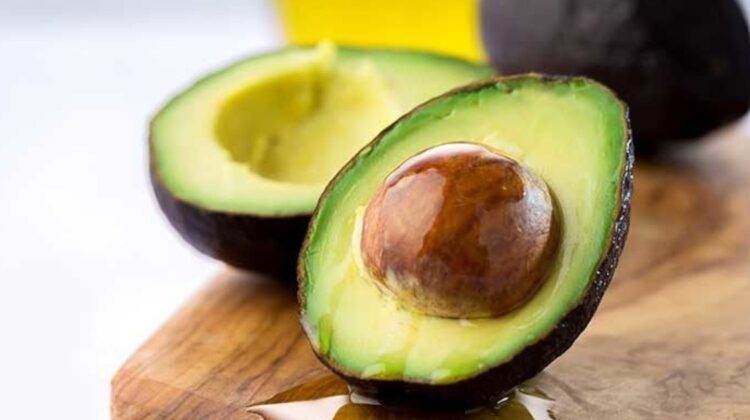
Avocados have long been at the center of a nutritional debate. Some hail them as a superfood packed with nutrients, while others warn that their high fat content could lead to weight gain. So, what’s the real story? Does eating this creamy green fruit make you gain pounds, or can it actually support healthy weight management?
Let’s break down the facts and separate myth from reality.
1. Yes, Avocados Are High in Fat — But It’s the Healthy Kind
It’s true that a medium avocado contains roughly 240 calories and about 22 grams of fat. However, most of this fat is monounsaturated fat, the heart-healthy type also found in olive oil.
Unlike saturated or trans fats from processed foods, avocado fats provide numerous health benefits. They support cardiovascular health, help regulate hormones, reduce sugar cravings, and promote satiety. In other words, avocado fats don’t just fuel your body—they help you control your appetite and maintain a balanced diet.
2. Avocados Keep You Full Longer
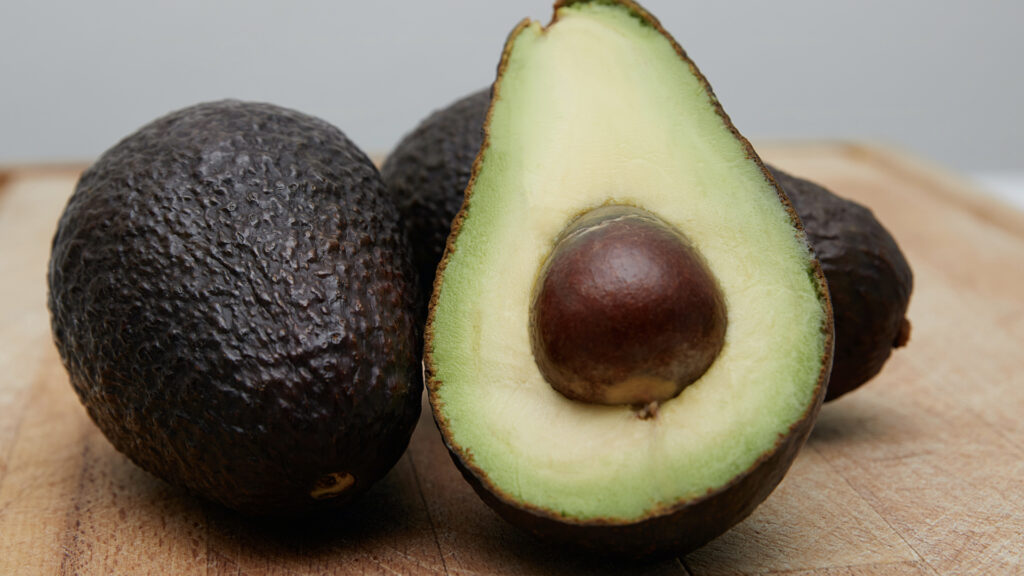
One of the biggest challenges in weight management is fighting hunger. Avocados are packed with fiber—about 10 grams per fruit—which slows digestion and keeps you feeling satisfied for hours.
A 2013 study in Nutrition Journal found that participants who added half an avocado to their lunch felt 23% more satisfied and experienced a 28% lower desire to eat over the next five hours.
So, although avocados contain calories, they can actually help you consume fewer calories overall by curbing hunger naturally.
3. Portion Matters, Not Prohibition
As with any food, balance is key. Eating three avocados a day would be excessive, but ¼ to ½ an avocado daily fits perfectly into a healthy eating plan.
Think of avocado as a replacement for less healthy fats rather than an addition:
- Spread it on toast instead of butter.
- Add it to salads instead of creamy dressings.
- Blend it into smoothies instead of cream.
Small swaps like these can make a big difference for weight management.
4. Nutrient Powerhouse Beyond Fat
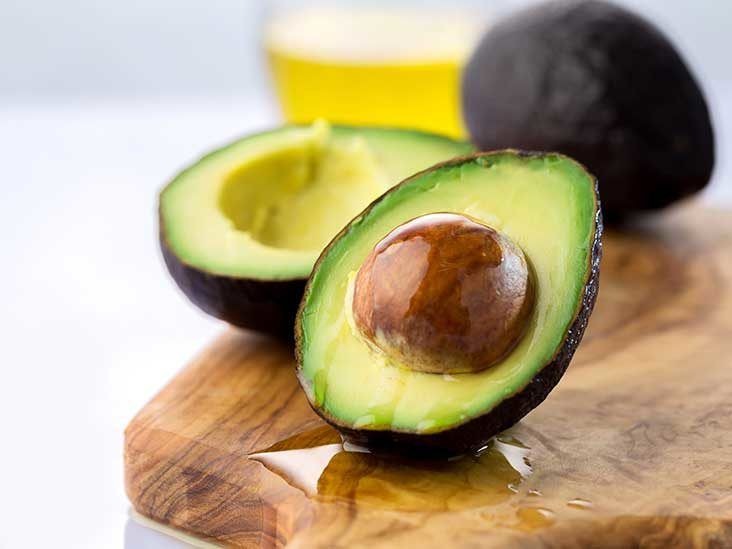
Avocados are not just about healthy fats—they’re packed with vitamins, minerals, and antioxidants:
- Potassium (more than bananas!) — supports healthy blood pressure.
- Vitamin E — promotes skin and cellular health.
- Folate and B vitamins — boost metabolism and energy.
- Lutein — supports eye and brain health.
Even for those watching calories, these nutrients make every bite worthwhile.
The Bottom Line
Eating avocados in moderation does not automatically cause weight gain.
When consumed sensibly, avocados can support weight management by:
- Keeping you full longer.
- Reducing sugar cravings.
- Replacing less healthy fats in your diet.
Weight gain occurs when you consistently consume more calories than you burn—not because of a single nutrient-dense fruit.

Enjoy avocado toast, salads, and smoothies without guilt, remembering that balance is the secret ingredient in every healthy diet.
How to Eat Avocado for Weight Management
- Eat ¼–½ avocado before lunch or dinner to reduce appetite.
- Make a filling smoothie with avocado, spinach, cucumber, and unsweetened almond milk.
- Replace mayonnaise or butter with mashed avocado on sandwiches or wraps.
- Tip: ½ an avocado per day (~120 calories) is generally sufficient for most people.
Avocados are not your enemy—they are a creamy, delicious ally for your health.
Avocados are part of the growing interest in weight management, heart-healthy fats, plant-based nutrition, and functional foods. Nutritionists emphasize monounsaturated fats, fiber-rich diets, calorie control strategies, and appetite management, making this topic highly valuable for keywords in healthy eating, dietary supplements, wellness programs, and nutrition coaching. Content covering avocado recipes, meal planning, smoothies, and lifestyle tips continues to attract high traffic and high CPC, particularly when linked to heart health, weight loss, and plant-based diet trends.
Leave a Reply