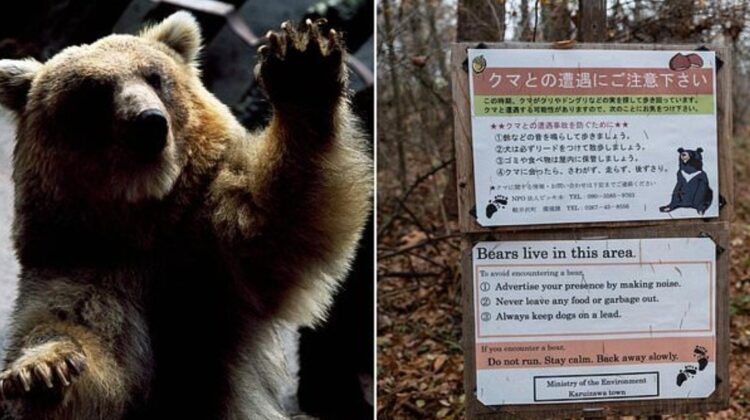
A man in his 70s has died after a suspected bear attack while picking mushrooms in a forest in Iwate Prefecture, northern Japan — one of several fatal encounters that pushed 2025 into Japan’s deadliest year on record for bear attacks.
What Happened
The man went into the woods on a Wednesday to harvest mushrooms but failed to return home. After he was reported missing, a search party entered the forest and later discovered his body. According to the Iwate Prefectural Police, cited by the Japan Times, the injuries found on the victim, including deep scratch marks, strongly suggested a bear attack.
A Record-Breaking Year
The tragedy comes during a year that has already seen an unprecedented number of bear-related incidents in Japan. By late October 2025, Japan’s Environment Ministry confirmed at least 12 deaths from bear attacks since the fiscal year began in April — the highest fatality count in a century, with nearly 200 people injured over the same period.
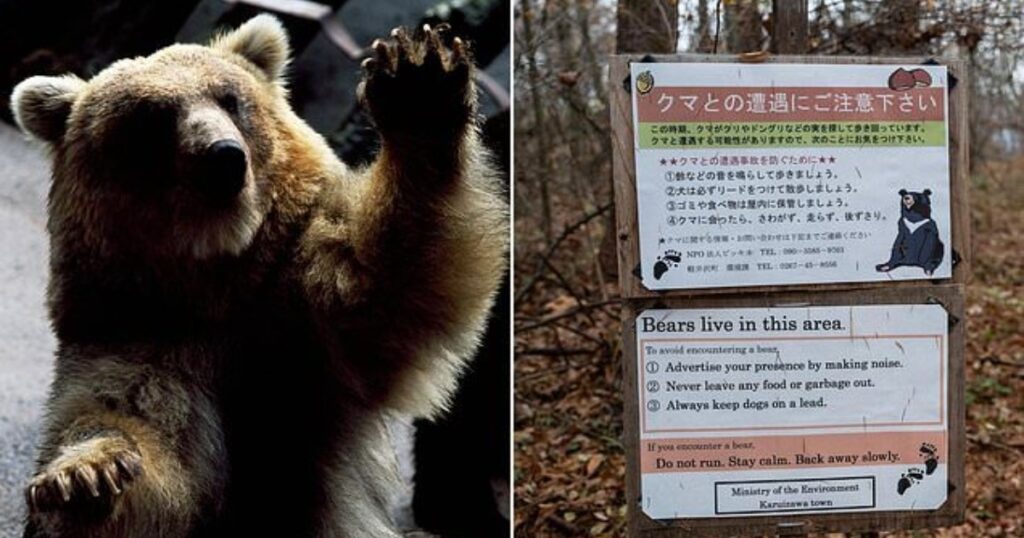
Iwate has been at the center of the crisis. In the same week as this death, another Iwate resident was found dead in a forest near a hot spring facility, and a couple in their 80s was attacked by a bear just outside their home in neighboring Fukushima Prefecture.
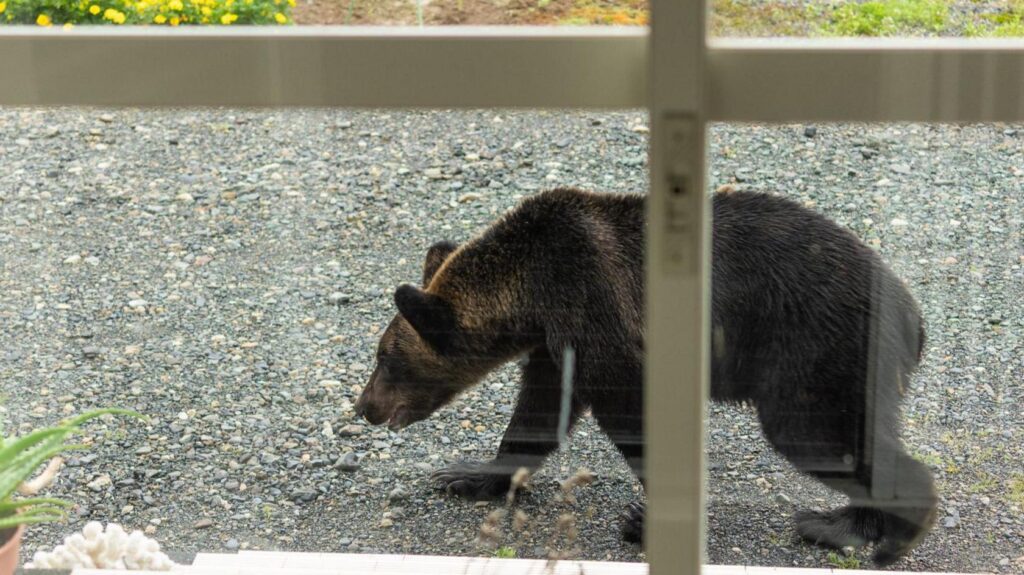
Bears have also increasingly turned up outside forests entirely — entering a supermarket north of Tokyo and injuring shoppers, and attacking a tourist waiting at a bus stop in the mountain village of Shirakawa-go.
Why Bears Are Moving Closer to People
Experts point to a combination of factors behind the surge:
- A lean year for natural food — a dry summer reduced the acorn and beech nut supply bears rely on before winter, pushing hungry bears toward farmland, trash, and populated areas.
- A declining, aging rural population — fewer people working the land in mountain regions has allowed forest habitat to expand closer to towns.
- Climate-related shifts in food availability and bear range over recent years.
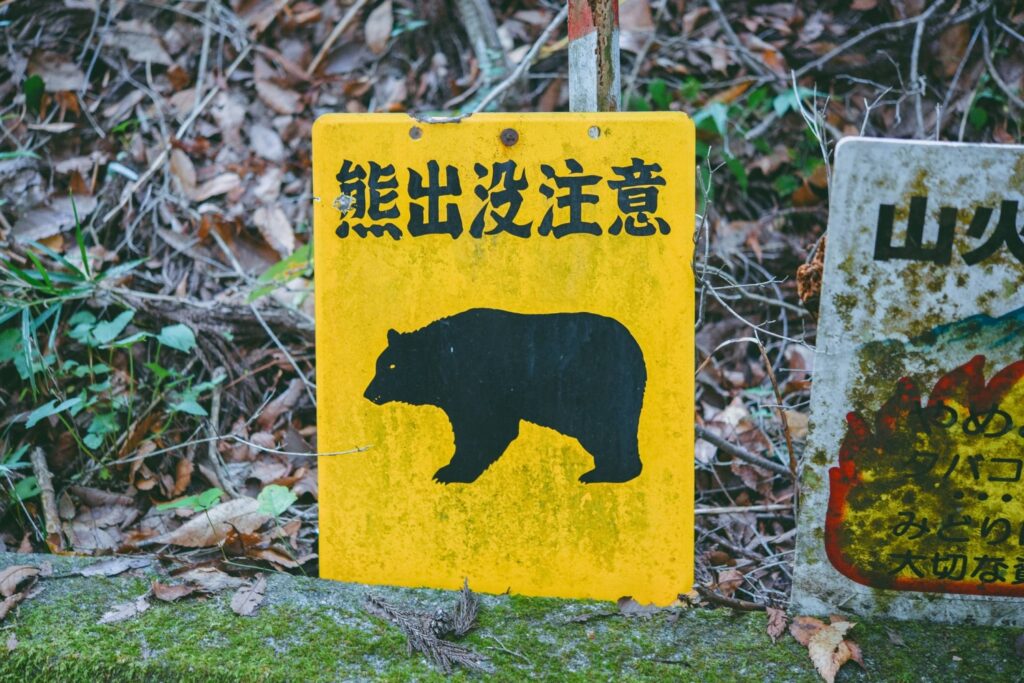
Japan’s environment minister has urged the public to avoid entering bear habitats, manage garbage carefully, and has eased rules allowing bears to be shot in residential areas as part of a broader response.
Staying Safe in Bear Country
For anyone hiking, foraging, or working in areas with active bear populations, safety experts consistently recommend:
- Making noise while walking — a bear bell, whistle, or simply talking loudly gives bears time to move away before you’re close.
- Traveling with others whenever possible, since bears are less likely to approach a group.
- Avoiding dense vegetation where visibility is poor and encounters happen at close range.
- Carrying bear spray where legal — a proven deterrent in close encounters, though it requires knowing how to use it before you need it.
- Checking local wildlife advisories before entering an area with recent bear sightings.
Basic gear — a bear bell, a whistle, and a canister of bear spray rated for the wildlife in your region — is inexpensive relative to the protection it offers, and is standard equipment for foragers and hikers in bear country across North America, Europe, and Japan alike.
Frequently Asked Questions
Why are bear attacks in Japan at a record high? Experts point to a combination of poor natural food availability, a declining rural population that leaves more habitat unmanaged, and bears growing increasingly comfortable venturing into populated areas.
What should I do if I encounter a bear while foraging or hiking? Stay calm, avoid direct eye contact, back away slowly rather than running, and make yourself appear larger — running or turning your back can trigger a chase response in some bear species.
Is bear spray more effective than bear bells? They serve different purposes — bells and noise are meant to prevent a surprise encounter in the first place, while bear spray is a last-resort deterrent for a close encounter that’s already happening. Most experts recommend carrying both.
Leave a Reply