
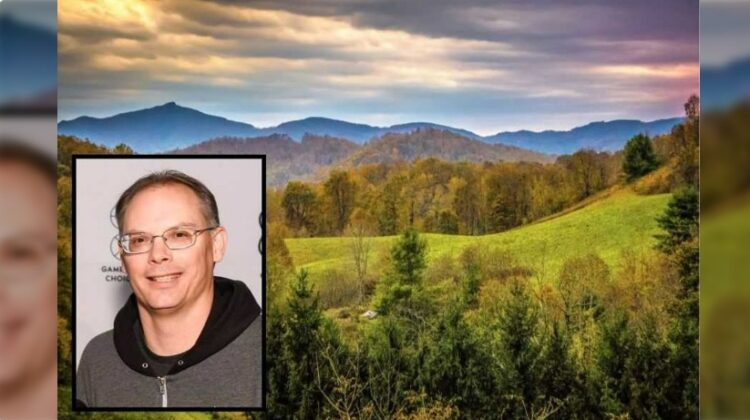
Tim Sweeney, the creator of Fortnite and CEO of Epic Games, is widely reported to own approximately 56,000 acres of land in North Carolina—but not for real estate development or commercial expansion. Instead, his land purchases reflect a long-term commitment to environmental conservation and biodiversity protection.
A Conservation Effort That Began in 2008
Sweeney began acquiring land in North Carolina in 2008, gradually expanding his holdings over the years. From the outset, the goal was clear: preserve large, ecologically valuable landscapes rather than transform them. The land includes forests, waterways, and habitats that support a wide range of plant and animal species.

Protecting Biodiversity and Natural Habitats
The preserved areas play an important role in safeguarding native ecosystems, including rare and vulnerable plant species. Portions of the land are also used to support ecological research and conservation initiatives, helping scientists and environmental groups better understand and protect the region’s natural resources.
By keeping the land intact, these efforts reduce habitat fragmentation and help maintain healthy wildlife corridors—an increasingly important factor in long-term environmental resilience.
Environmental Stewardship Over Development
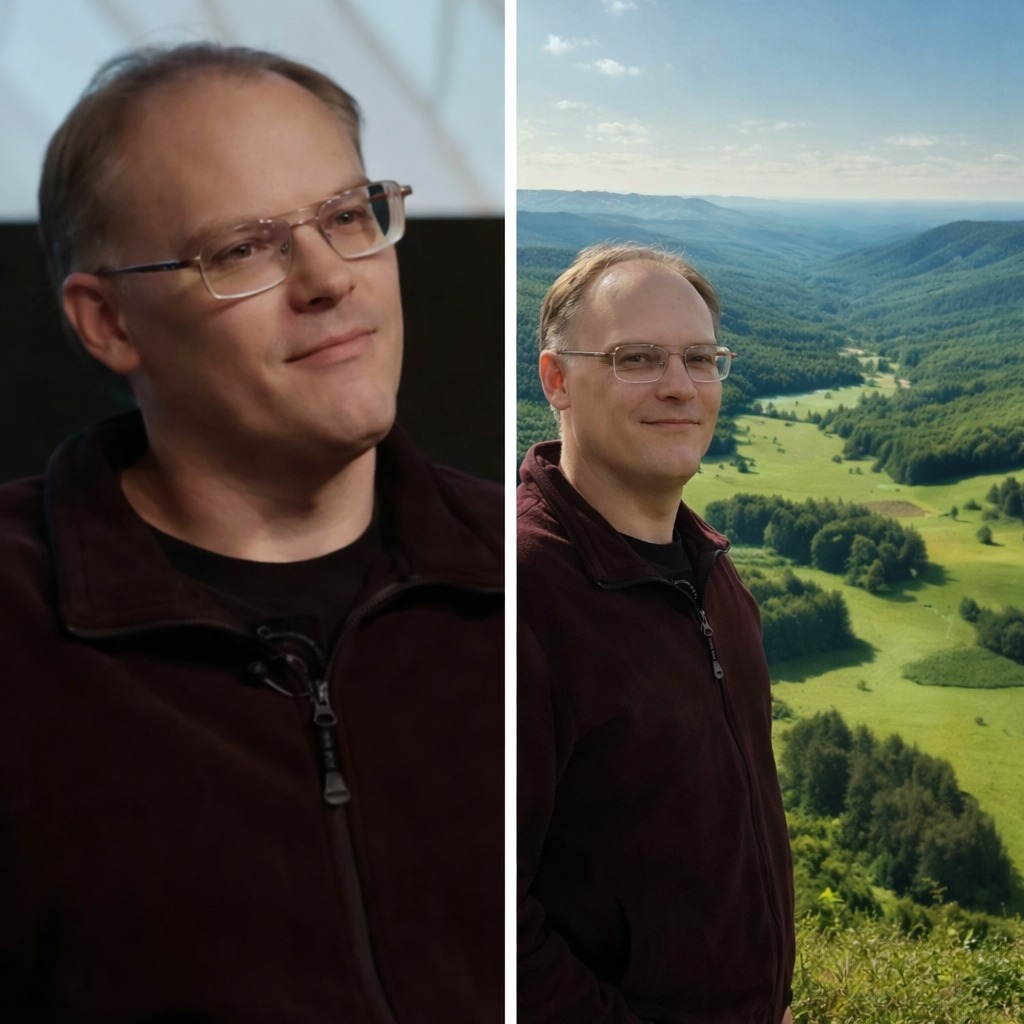
Unlike many large landowners, Sweeney has deliberately avoided commercial or residential development. His approach emphasizes environmental stewardship, prioritizing long-term ecological value over short-term economic gain. Conservation easements and partnerships with land trusts ensure that much of the land will remain protected well into the future.
Sweeney’s actions highlight how private ownership can play a constructive role in conservation, complementing public efforts to protect natural landscapes.
Why Private Land Conservation Matters
Large-scale conservation on privately owned land is becoming increasingly important as urban expansion and climate pressures intensify. Protected private lands help preserve biodiversity, safeguard water resources, and support climate resilience. When individuals commit to conservation at this scale, the impact can extend far beyond property boundaries—benefiting entire ecosystems and future generations.
Leave a Reply