
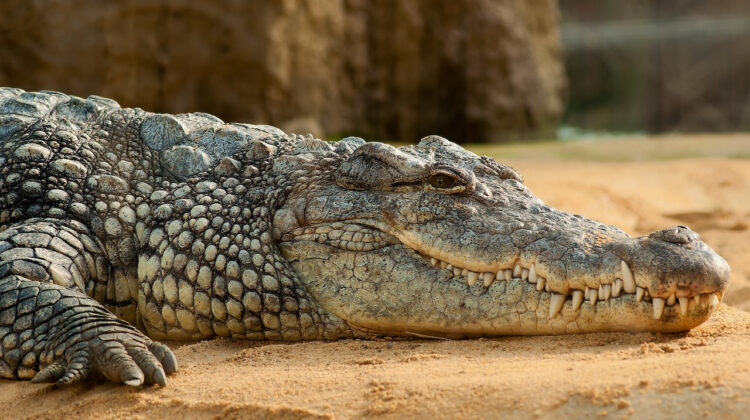
In the realm of wildlife legends, few stories are as chilling as that of Gustave, the giant Nile crocodile said to have claimed over 300 lives around Lake Tanganyika in Burundi and Tanzania. For decades, villagers have whispered his name in fear, hunters have tried and failed to capture him, and scientists have been left both fascinated and terrified.
The Rise of a Monster
The legend of Gustave began in the 1990s, as fishermen and locals recounted sightings of a massive crocodile, estimated at nearly 20 feet long and weighing over a ton. Unlike most Nile crocodiles, which primarily feed on fish and smaller animals, Gustave reportedly targeted humans, attacking villagers collecting water, fishing, or washing clothes along the shore.
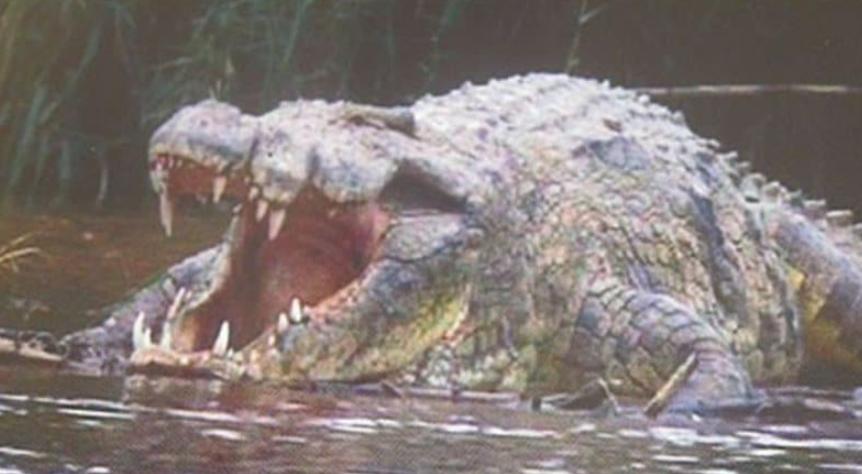
Eyewitnesses claim he is recognizable by distinct scars and wounds from harpoons and bullets — reminders of countless failed attempts to kill him.
Fear Along the Shores of Lake Tanganyika
For communities along the lake, life changed dramatically. Fishing — a vital livelihood — became a deadly risk. Families avoided the shoreline, and Gustave became a living nightmare, his reputation spreading far beyond Tanzania.
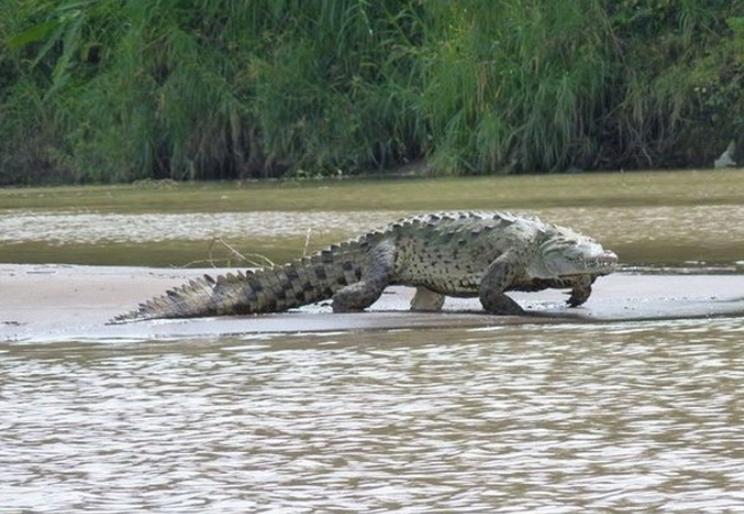
Some reports suggest Gustave’s attacks were so frequent that official records couldn’t keep up, especially in remote villages where incidents went undocumented.
Failed Hunts and Failed Traps
Over the years, local hunters and even the military tried to capture or kill Gustave. In the early 2000s, the documentary Capturing the Killer Croc followed a scientific team’s attempt to trap him using a massive steel cage and bait. But Gustave evaded capture — some believe he was simply too intelligent to fall for traps.
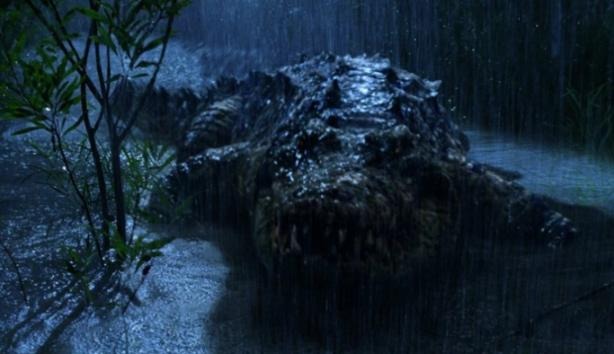
His uncanny ability to vanish deep into the lake before reappearing miles away only added to his legend.
Myth, Reality, or Both?
Skeptics argue that Gustave’s reputation might be exaggerated, theorizing that multiple large crocodiles could be responsible for the reported attacks. But locals insist they can identify him by his size and battle scars, and their stories have cemented Gustave’s status as a mythical predator.
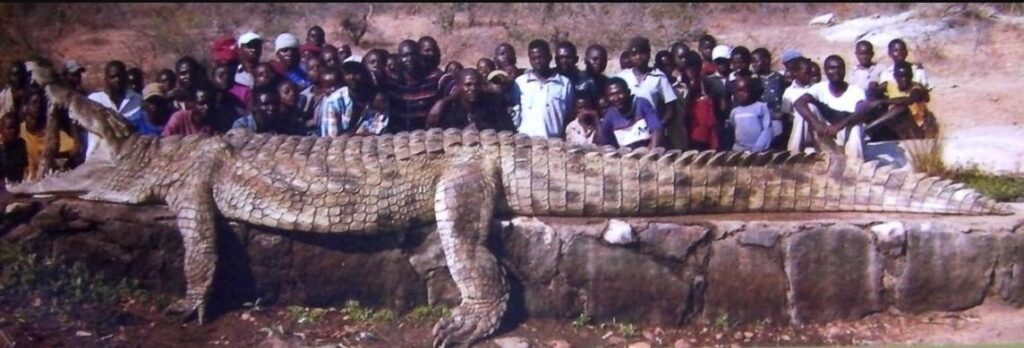
Today, Gustave’s fate is unknown. If he is still alive, experts estimate he could be over 70 years old — an ancient apex predator whose legend has outlived many who fear him.
A Symbol of Nature’s Power
Whether myth or reality, Gustave represents more than just a crocodile. He is a symbol of nature’s raw power, a reminder that in some corners of the world, humans are not always at the top of the food chain. His story is also a striking example of how folklore and real events intertwine, creating a legend that continues to captivate and terrify.
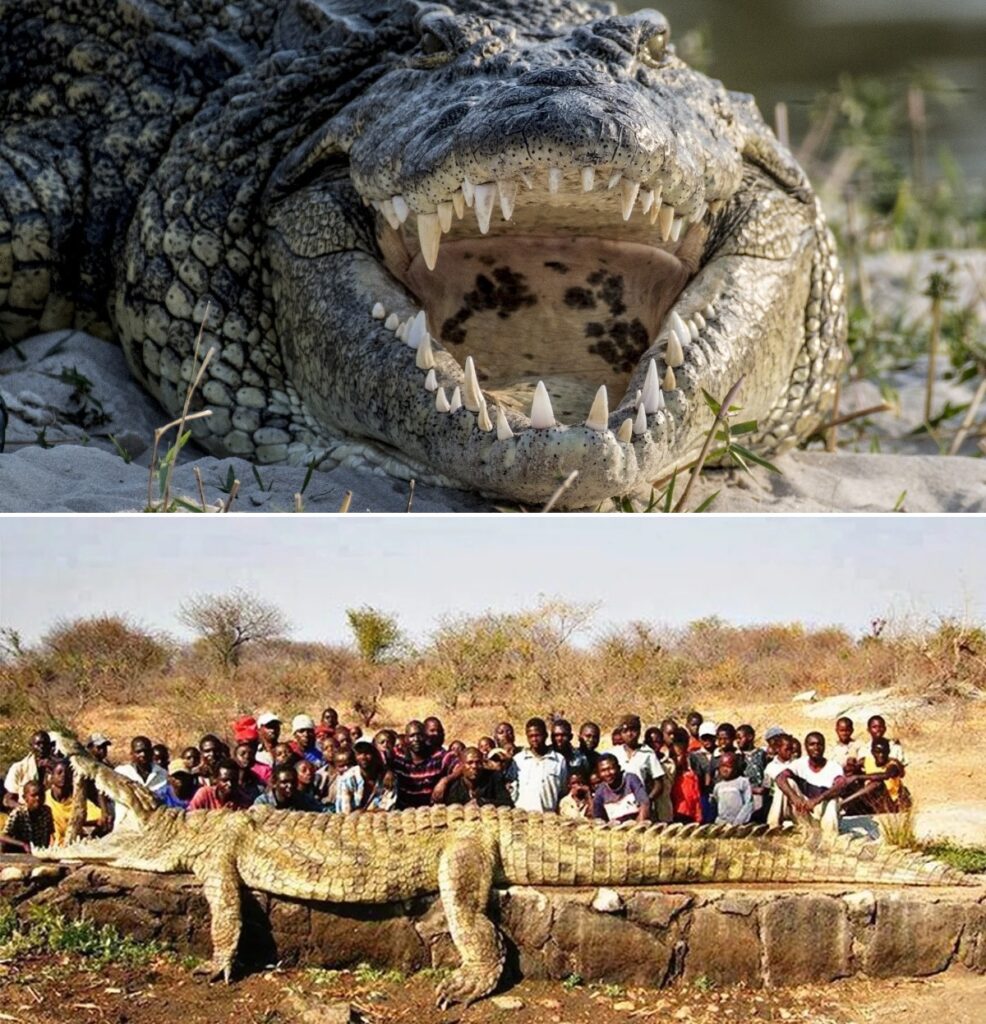
From documentaries to internet forums, Gustave’s name endures — a story that proves some monsters don’t need fiction to be terrifying.
Leave a Reply