
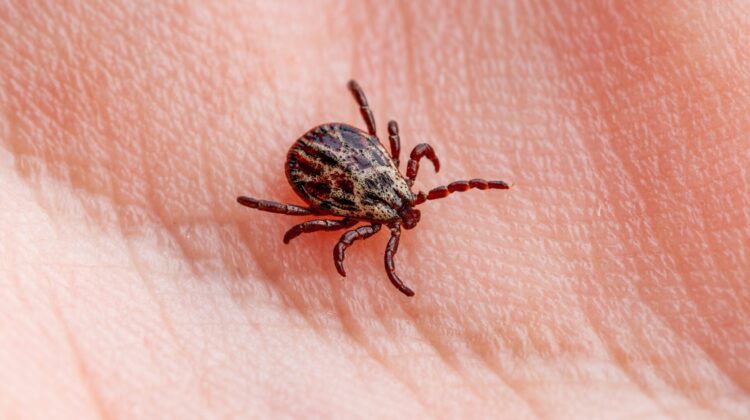
If you live near forests, fields, or natural areas, chances are you’ve encountered ticks at some point. These tiny arachnids thrive in grassy and wooded environments and survive by feeding on the blood of mammals, birds, and other animals.
While a single tick bite won’t cause blood loss or immediate danger, ticks are far from harmless. The real risk lies in the diseases they can transmit through their bites — including Lyme disease, Rocky Mountain spotted fever, and babesiosis.
Many people underestimate these illnesses, but untreated tick-borne diseases can lead to long-term, life-altering health problems. Prevention is always the best defense, and that starts with knowing how to properly remove and dispose of a tick if you find one.
You can never eliminate the risk completely, but taking the right steps significantly reduces your chances of infection.
What to do if a tick is attached to your skin
The first and most important step is careful removal.
Do not pull the tick off with your fingers. This can cause the body to break away while the head remains embedded in your skin, increasing the risk of infection.
Instead:
- Use fine-tipped tweezers or forceps
- Grasp the tick as close to the skin as possible
- Pull upward slowly and steadily in one smooth motion
- Do not twist, squeeze, or crush the tick
Squeezing the tick may cause it to regurgitate harmful bacteria into the wound.
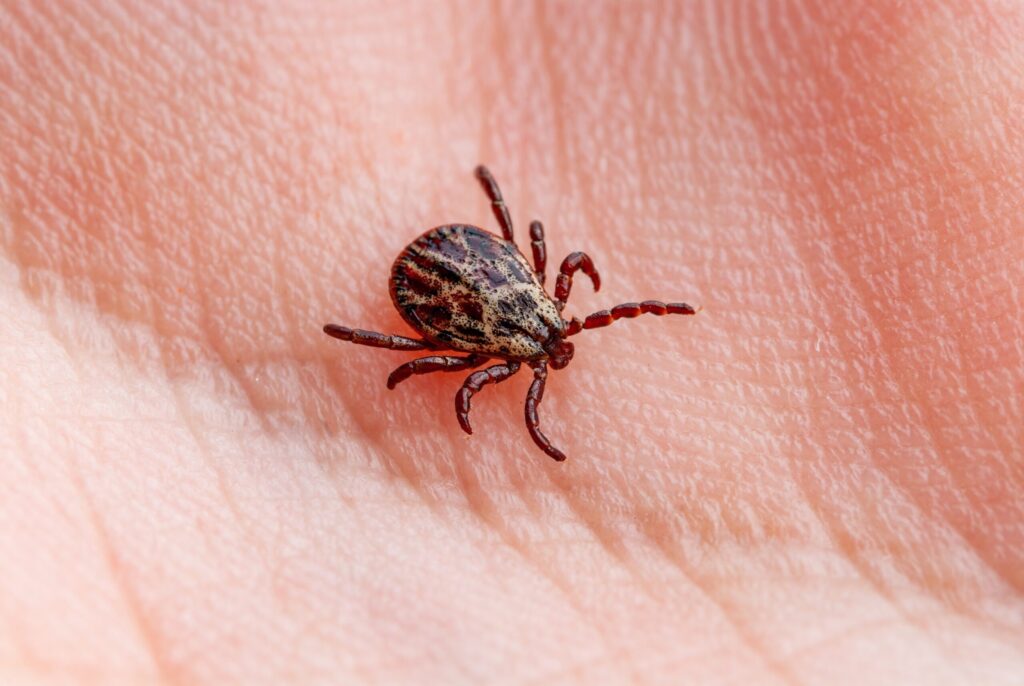
How to dispose of a tick safely
Once the tick has been removed, proper disposal is essential. Simply tossing it in the trash is not always enough, as ticks can survive surprisingly harsh conditions.
Recommended methods include:
- Placing the tick in a sealed bag or airtight container
- Wrapping it tightly in tissue and flushing it down the toilet
Sealing the tick ensures it cannot crawl back out or attach to another host.
⚠️ Important note:
If the tick was removed from a pet, some veterinarians recommend saving it for identification. In this case, keep it sealed in a small container and bring it to the vet if advised.
Ticks and pets: why regular checks matter
Pet owners should be especially vigilant. Ticks are most active during warmer months but can survive cold temperatures, meaning year-round checks are essential.
Inspect your pet thoroughly, focusing on:
- Ears
- Armpits
- Skin folds
- Between toes
- Groin area
Use your hands and a comb to feel for small, firm bumps beneath the fur.
Keeping your pet tick-free greatly reduces the chance of ticks entering your home — and biting you.
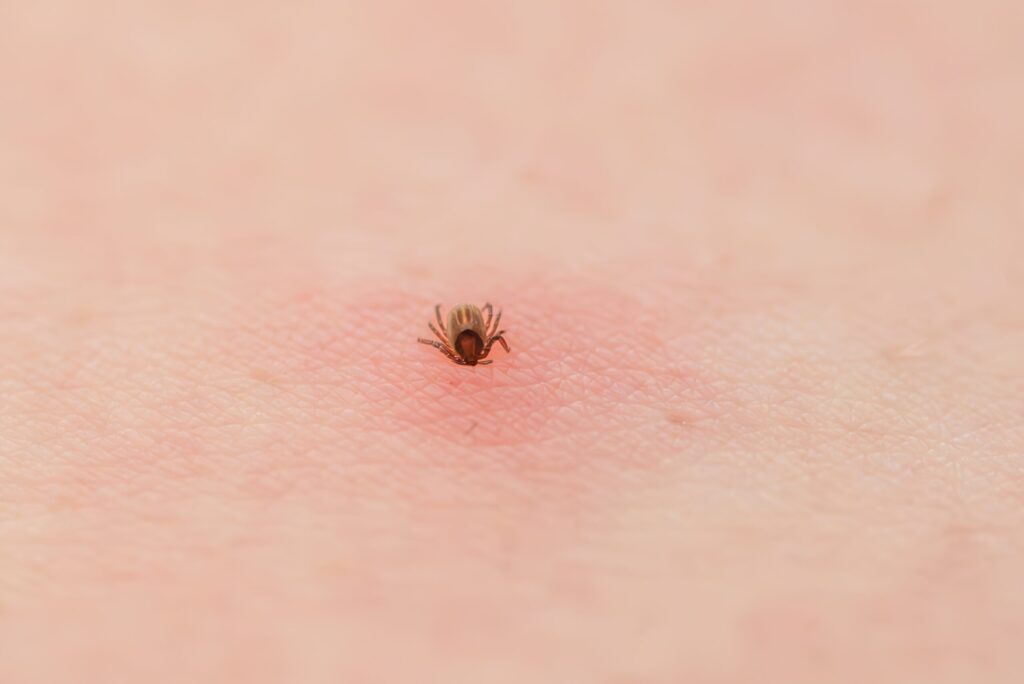
If you’ve been bitten: warning signs to watch for
After a tick bite, stay alert for symptoms that may appear days or even weeks later.
Early signs of tick-borne illness can include:
- Flu-like symptoms
- Muscle or joint pain
- Fatigue
- Fever or chills
In some cases, a red “bullseye” rash may appear around the bite site — a classic sign associated with Lyme disease.
If you experience any unusual symptoms after a tick bite, seek medical attention immediately. Early diagnosis and treatment can prevent serious long-term complications.
Final thought
Ticks may be small, but the health risks they carry are not. Proper removal, safe disposal, regular pet checks, and early symptom awareness are your best defenses. Taking ticks seriously today can protect your health for years to come.
Leave a Reply