
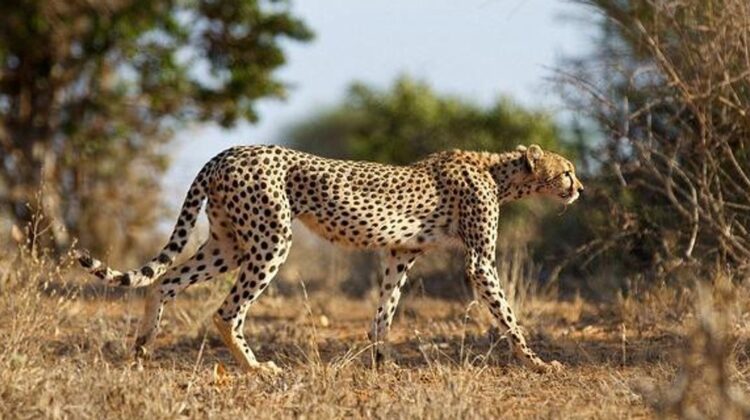
Cheetahs — the fastest land animals on Earth — can reach jaw-dropping speeds of up to 70 miles per hour in just seconds. With slender, aerodynamic bodies, long muscular legs, and large nasal passages that boost oxygen intake, they are built for one purpose: speed. These magnificent predators can accelerate from 0 to 60 mph faster than most sports cars, making them the ultimate sprinters of the animal kingdom.
Unlike lions or leopards that rely on brute strength and stealth, cheetahs depend purely on agility and precision. Their primary prey includes small antelopes like gazelles, which they chase across the vast African plains before tripping them with a lightning-fast swipe of the paw.
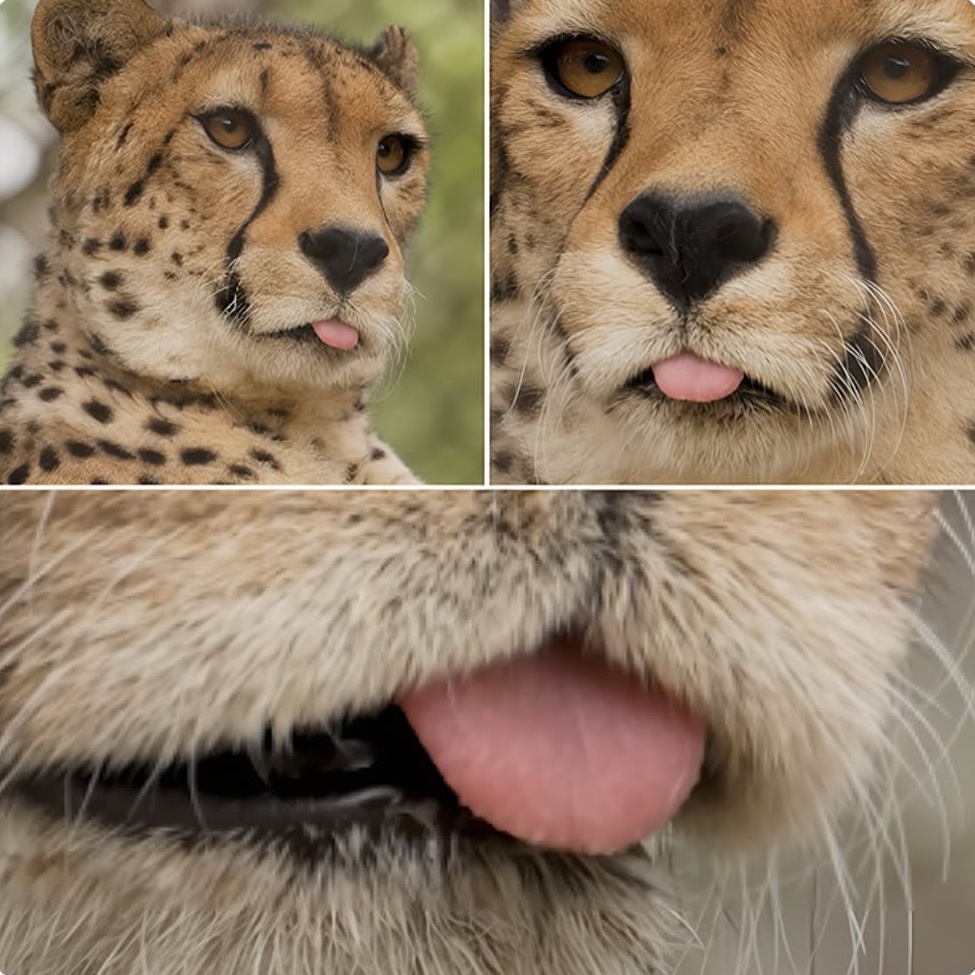
But despite their reputation as lethal hunters, cheetahs are remarkably gentle creatures. They rarely pose a threat to humans and prefer to avoid confrontation altogether. Their shy and solitary nature often leads them into conflict with farmers and exposes them to habitat loss, making them one of the most endangered big cats in the world today.
It’s a tragic paradox — the world’s fastest animal is racing against extinction.
Cheetah conservation is becoming a global concern, attracting millions in wildlife protection funding and eco-tourism investments each year. Experts warn that without strong conservation efforts, cheetahs could vanish within decades — a loss that would not only impact biodiversity but also affect Africa’s multi-billion-dollar tourism industry. Supporting protected reserves and sustainable safaris helps ensure that future generations can witness the beauty of these majestic animals in the wild.
Leave a Reply