
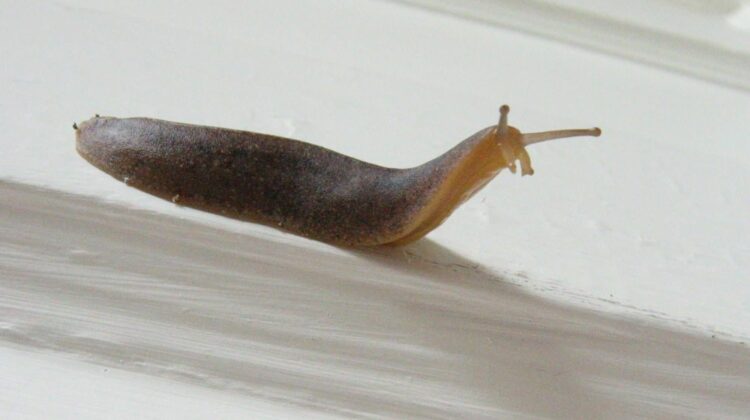
Discovering slugs inside your home can feel disturbing. They move quietly, leave sticky trails behind, and usually come out at night when the house is still. Although slugs are harmless, their appearance indoors is never a coincidence. If slugs keep showing up in your home, there are specific issues you should check right away — not out of superstition, but because your house may be signaling a deeper problem.
1. Excess moisture is the primary cause
Slugs are naturally drawn to damp, humid environments. If they are entering your home, hidden moisture is likely present somewhere.
Look closely for:
- Leaking pipes beneath sinks
- Damp basements or crawl spaces
- Condensation forming around windows
- Wet bathroom or laundry room floors
Even minor leaks that go unnoticed can create ideal conditions for slugs. Over time, this excess moisture can also lead to mold growth, mildew, and even structural damage — far more serious concerns than slugs alone.
👉 What to do: Repair leaks immediately, use a dehumidifier, and improve airflow in moisture-prone areas.
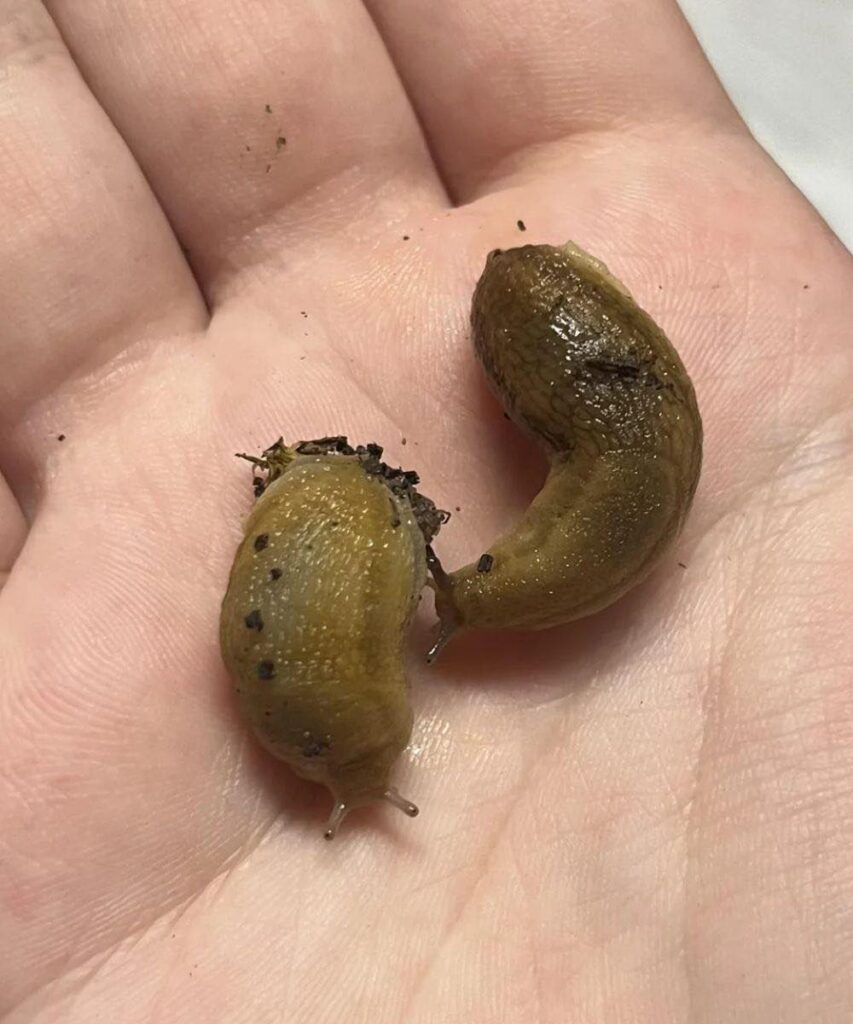
2. Small cracks and entry points you might be missing
Slugs don’t need large openings to get inside. Tiny cracks, gaps beneath doors, or loose window seals are more than enough.
Inspect carefully:
- Door thresholds
- Window frames and seals
- Foundation cracks
- Openings where pipes enter the house
If slugs keep returning, they’ve likely discovered a consistent entry route.
👉 What to do: Seal cracks with caulk, replace damaged weather stripping, and ensure doors close tightly.
3. Outdoor conditions may be forcing them inside
Heavy rainfall, flooding, or extreme humidity outdoors can drive slugs indoors in search of shelter. Poor drainage around your home makes this even more likely.
Check outside for:
- Overwatered plants near exterior walls
- Mulch piled directly against the foundation
- Thick vegetation touching the house
- Standing water or poor drainage
👉 What to do: Improve drainage, move mulch away from walls, and trim plants so they don’t contact the structure.
4. Food sources may be attracting them
Slugs feed on organic matter. Even small amounts can be enough to attract them indoors.
Check for:
- Food left out overnight
- Open or unsealed trash containers
- Compost stored too close to the house
- Fallen leaves or debris near entrances
👉 What to do: Keep floors clean, store food in sealed containers, and remove organic debris regularly.
5. A warning sign of environmental imbalance
While slugs are not dangerous, their presence often signals an imbalance inside your home — excessive moisture, poor ventilation, or neglected maintenance.
Rather than seeing slugs as pests, consider them natural indicators. They appear where conditions allow them to survive.
How to remove slugs safely
Avoid harsh chemicals. Slugs play a role in the ecosystem and don’t need to be killed.
Instead:
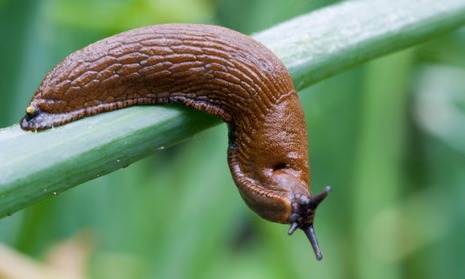
- Remove them gently using gloves
- Sprinkle salt outside, not indoors
- Place copper tape near entry points
- Keep indoor surfaces dry and clean
When should you take action?
Seeing one slug occasionally is usually harmless. But repeated appearances mean it’s time to act. Ignoring the issue can allow moisture damage or mold to develop quietly over time.
Final thought
Slugs don’t enter homes by chance. If they keep appearing, your house is likely signaling excess moisture, hidden openings, or drainage problems. Fixing these issues doesn’t just stop the slugs — it protects your home and your health in the long run.
Recurring slug visits should never be ignored. They often reveal problems that remain hidden until serious damage occurs, such as mold growth or weakened structures. Treating the cause early saves time, money, and long-term health risks — and restores balance to your home environment.
Leave a Reply