
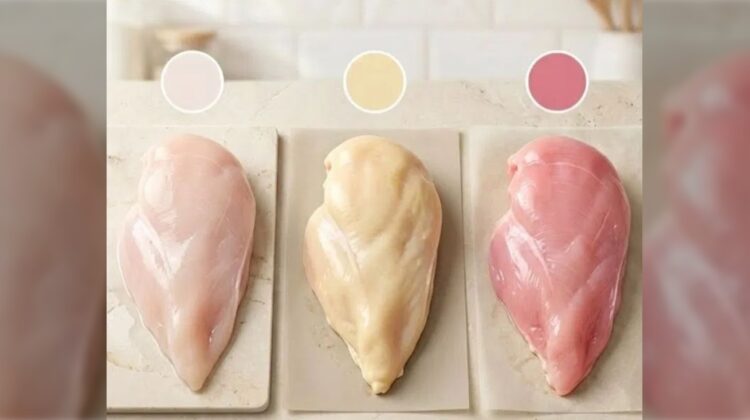
A Closer Look at What You’re Actually Buying
It’s surprising how often chicken color is still misunderstood in the grocery aisle. One package looks pale, almost pink. Another carries a deeper yellow tone. Same cut. Similar price. Yet many shoppers instinctively assume one must be better than the other.
That moment of hesitation in front of the shelf isn’t random. Humans are wired to judge food by appearance, and color quietly shapes expectations long before labels are read. But when it comes to chicken, color tells a story—just not the one most people think.
At first glance, color feels like a quality signal. In reality, it’s more of a clue about how the bird was raised, what it ate, and the system behind its production.
Pale chicken: efficiency over environment
Light-colored chicken is most commonly associated with large-scale commercial farming. These birds are selectively bred to grow quickly and efficiently, fed carefully formulated diets, and typically raised indoors with limited movement.
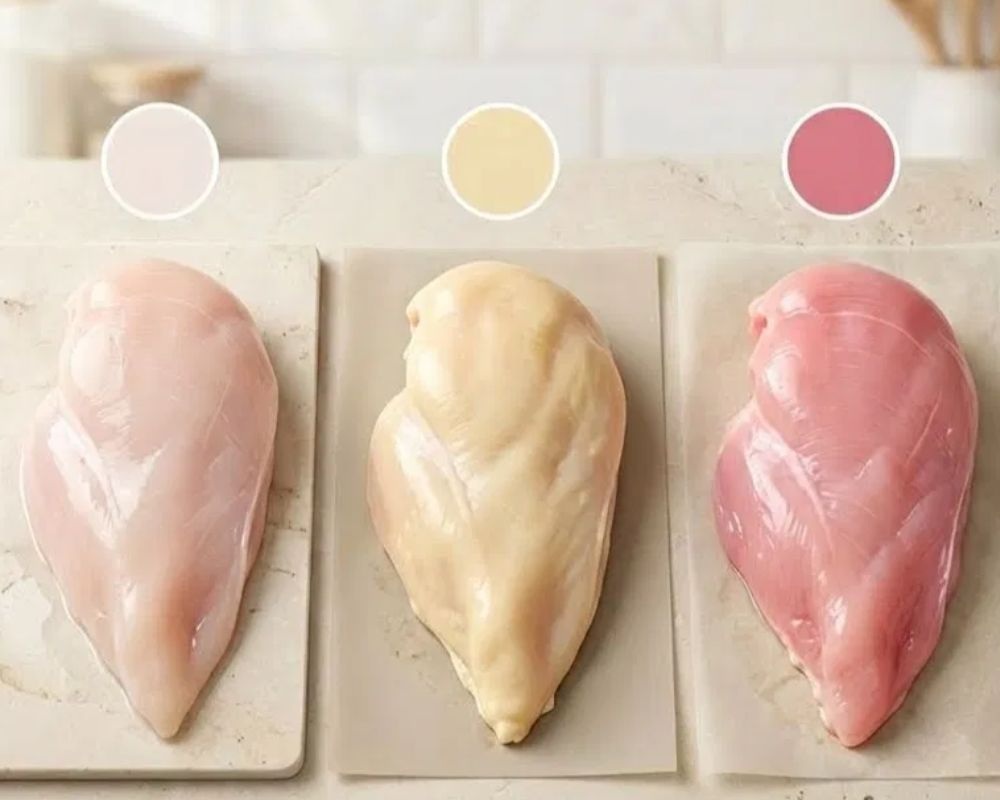
This model produces enormous quantities of affordable meat, which is why pale chicken dominates supermarket shelves worldwide. Importantly, a lighter color does not automatically mean the meat is unsafe or unhealthy. It simply reflects a production system optimized for speed, yield, and cost—not natural behavior.
Yellow chicken: diet and lifestyle leave a mark
Chicken with a yellow or golden tone usually points to diet rather than superiority. Feeds rich in natural pigments—such as corn, marigold, or plants high in carotenoids—can deepen the color of the skin and fat. Birds that spend more time outdoors, foraging, moving, and eating insects often develop this hue naturally.
Slower growth and greater activity tend to produce firmer texture and richer flavor, which many people associate with “old-fashioned” chicken. That perception isn’t imaginary—but it’s also not guaranteed.
When color becomes marketing
Here’s where things get tricky. Some producers intentionally adjust feed to enhance yellow coloration because consumers associate it with quality and tradition. In those cases, the chicken may still come from intensive farming systems, simply dressed up to look more natural.
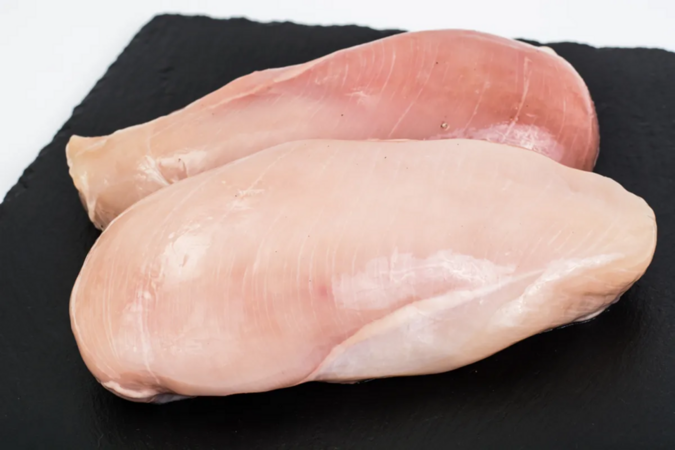
That’s why color alone can be misleading. It can hint at diet, but it cannot reliably confirm welfare, nutrition, or taste.
What actually matters isn’t visible
If you want real information, skip the color and read the label. Terms like pasture-raised, organic, free-range, or certified humane provide far more insight into living conditions, medication use, and animal welfare—factors that influence both ethics and eating quality.
Your senses matter too. Fresh chicken should smell clean and feel firm. Any sour or sulfur-like odor signals spoilage, regardless of color. Once cooked, flavor, tenderness, and juiciness become the real test—and those qualities are shaped far more by how the chicken lived than how it looked under plastic wrap.
No single “right” color
There is no universal best choice. The “right” chicken depends on your priorities: budget, flavor, convenience, or ethical concerns. Sometimes practicality wins. Sometimes taste does. Sometimes values guide the decision.
The meat aisle is full of untold stories.
Color is only the opening line.
The rest is up to you to uncover.
Leave a Reply