• Skip to main content
  • Skip to primary sidebar
  • Skip to footer
  • Home
  • About Us
  • Copyright Report
  • Submit Content
  • Terms
  • Privacy Policy
  • Legal Disclaimer

Hasan Jasim

Hasan Jasim is a place where you may get entertainment, viral videos, trending material, and breaking news. For a social generation, we are the largest community on the planet.

Microscopic Organisms Have been Resurrected After 24,000 Years in Permafrost

by Hasan Jasim Editorial Team

ShareTweet

The rotifers were even able to reproduce after emerging from cryptobiosis.

The bdelloid rotifer, a minute, multicellular animal, has shown capable of living under Siberian permafrost for at least 24,000 years. The finding has given some optimism that people may one day be placed in deep freeze and resurrected — but don’t expect it anytime soon.

To live in hostile settings, certain animals will suspend all life-sustaining metabolic activities and enter a state known as cryptobiosis.

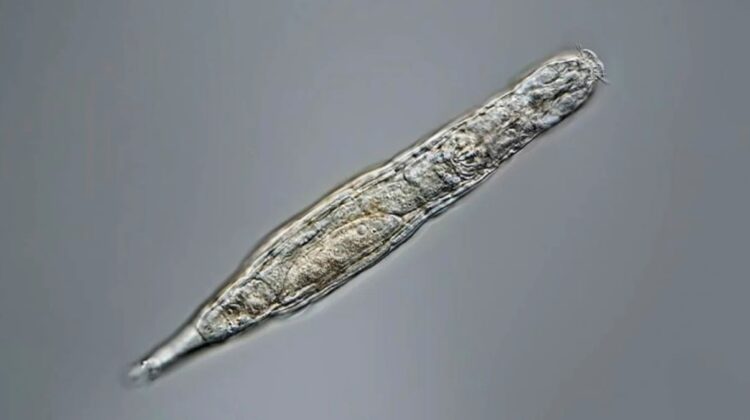
A feeding rotifer. “They’re the world’s most resistant animal to just about any form of torture,” said one biologist.CreditCredit…Lyubov Shmakova

The creatures aren’t dead in this condition, but they’re also not actually alive – they don’t consume, reproduce, or even move. They can, however, resurrect if the atmosphere becomes more friendly in the future.

Scientists from Russia’s Soil Cryology Laboratory take samples of Siberian permafrost to examine what animals could be living beneath it in a state of cryptobiosis.

“We put a piece of permafrost into a petri dish filled with (a) appropriate media and wait for organisms that are alive to return from hibernation, start moving, and reproduce,” researcher Stas Malavin said to Live Science.
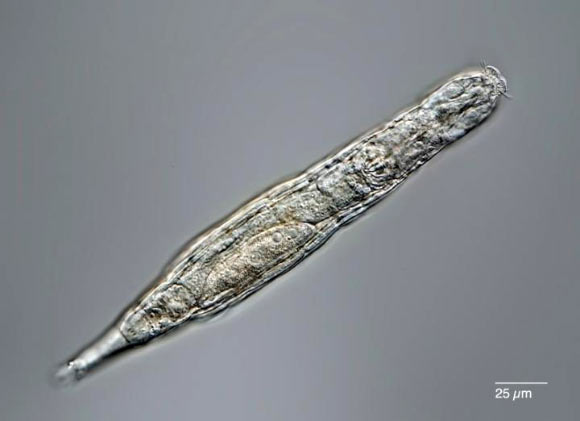
A bdelloid rotifer. Image credit: Michael Plewka.

This has resulted in the discovery of mosses, plants, and single-celled microorganisms capable of long-term cryptobiosis, but the researchers have also reported locating and reviving multicellular creatures (the small rotifers), which can even reproduce after thawing.

What’s new: We already knew rotifers could enter cryptobiosis, but earlier research had only demonstrated that they could survive on ice for 10 years – the Siberian permafrost was 24,000 years old.

“Our finding offers the most compelling evidence yet that multicellular creatures may survive tens of thousands of years in cryptobiosis, the state of nearly fully halted metabolism,” Malavin stated in a news statement.

Why it matters: Rotifers are more complicated than the other creatures identified in permafrost – they have brains, muscles, reproductive systems, and other features.

Moving from a single-celled creature to one with a stomach and a brain is a significant advancement.
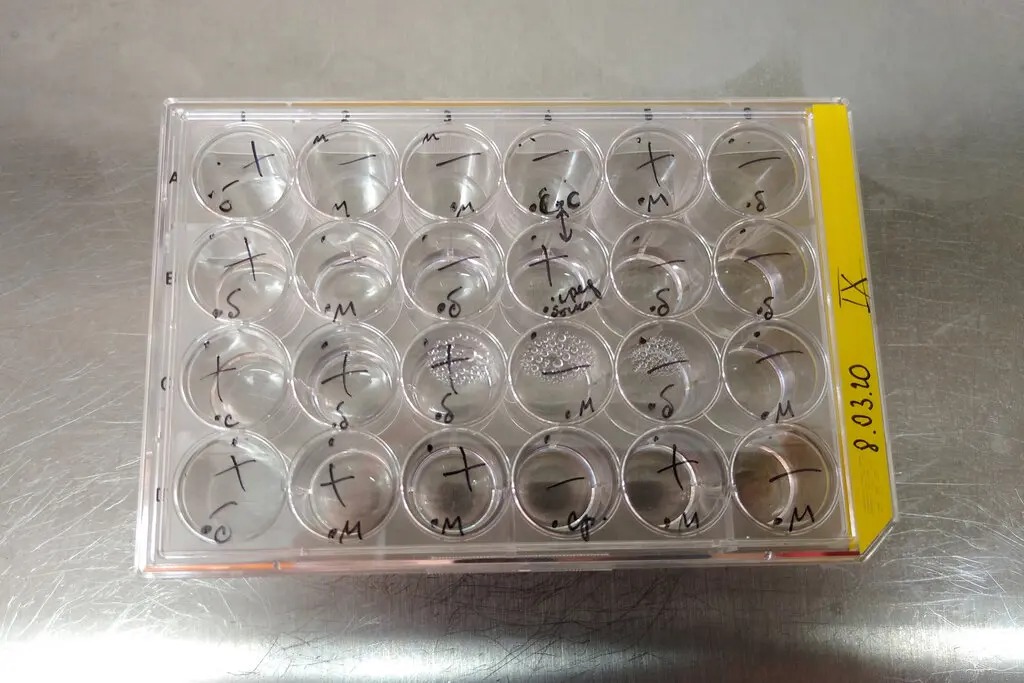
The scientists’ freezing rotifer experimental setup.Credit…Stas Malavin

The finding that such intricate animals can survive in cryptobiosis for millennia defies belief, and by studying the organisms, we may be able to improve cryo-preserve human cells, tissues, and organs.

The rotifers may even aid studies into freezing and resurrecting living humans so they may travel across space for decades or centuries without aging — but don’t expect humanity to be capable of cryptobiosis in the near future.

“(T)he more complex the organism, the more difficult it is to freeze it alive, and for mammals, it is now not conceivable,” Malavin explained. “Yet, even if the transition from a single-celled creature to an organism with a stomach and a brain is minuscule, it is a significant stride forward.”

Filed Under: Trends Worldwide Tagged With: 24,000, after, been, have, microscopic, organisms, permafrost, resurrected, trends, worldwide, years

Primary Sidebar

More to See

A Woman Launches An Airborne Rescue Mission To Save 27 Puppies From A “Kill Shelter.”

By Hasan Jasim Editorial Team

Pushing Boundaries: David Ambart Tackles “Recover”

By Hasan Jasim Editorial Team

A Group Of Unexpected Onlookers Surprisingly Rushes A Golfer

By Hasan Jasim Editorial Team

An Army Sergeant Reunites With the Puppy She Rescued in Another Country

By Hasan Jasim Editorial Team

American Kestrel: The Smallest and Most Common Falcon in North America – A Complete Guide

By Hasan Jasim Editorial Team

Pit Bull Grabs The Baby’s Diaper And Begins To Drag Her; The Family Quickly Realizes Why She Is A Hero

By Hasan Jasim Editorial Team

A Flourishing Flourish: The Beauty of the Rhododendron Tree

By Hasan Jasim Editorial Team

Footer

ABOUT HASANJASIM.ONLINE

Hasanjasim.online is a digital platform dedicated to publishing well-researched articles about the animal kingdom, nature, and the environment. Our editorial team works to source stories from credible outlets, scientific research, and verified reports, aiming to inform as much as we entertain. From wildlife conservation and animal behavior to natural wonders and environmental science, we cover the topics that help readers better understand and appreciate the natural world. Whether you're a lifelong nature lover or simply curious about the planet we share, Hasanjasim.online aims to be a trustworthy destination for stories worth reading — and worth citing.

Recent

  • Euphorbia Hirta (“Asthma-Plant”): What Traditional Use and Real Research Actually Show
  • A Mystery Animal Has Been Randomly Attacking People in New Hampshire — Here’s What We Know
  • A Woman Was Filmed Sharing Her Ice Cream With Her Dog — Here’s What Vets Actually Say About It
  • Dolphin Calf Incident in Ceuta Sparks Outrage After Disturbing Beach Footage Emerges
  • Lactuca Serriola Root: Traditional Uses of Prickly Lettuce (Wild Lettuce) Root
  • The Puppy a Firefighter Couldn’t Leave Behind — and the Story Didn’t End There
  • A Mother Dog Dove Into Floodwater Again and Again — Until All 7 of Her Puppies Were Safe

Search