
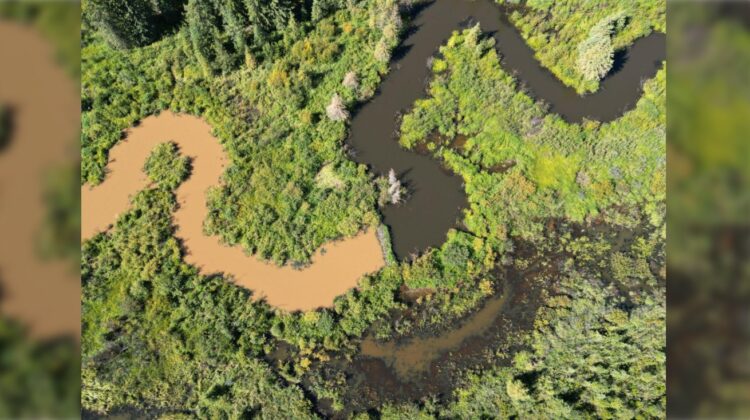
Deep in the forests of British Columbia, a single beaver dam has captured global attention for its quiet but powerful impact on the environment. Built entirely without human intervention, this intricate structure managed to withstand heavy rainfall, slowing the flow of water and trapping sediment and pollutants before they could wash downstream.
At first glance, it might seem like a simple pile of sticks and mud. But in reality, this dam is a masterpiece of natural engineering, one that demonstrates how wildlife itself can restore ecosystems, regulate water quality, and help mitigate the effects of climate change.
The Beavers’ Natural Architecture
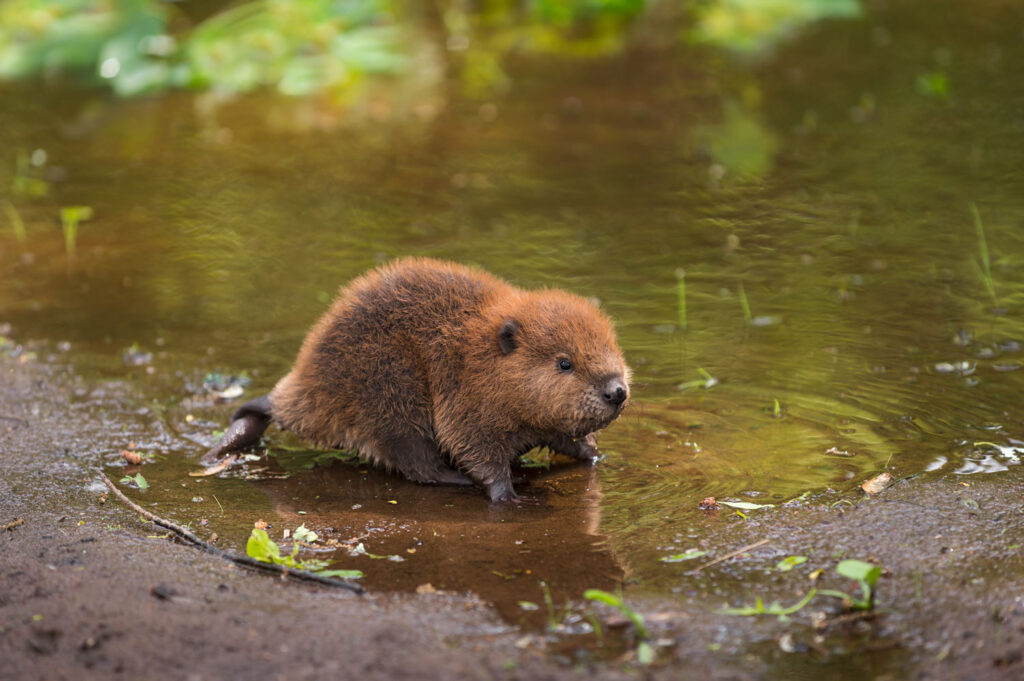
Beavers are among the few animals capable of reshaping landscapes on a large scale. Using branches, stones, and mud, they construct dams that slow rivers and create wide ponds — essential habitats for fish, frogs, waterfowl, and countless insects.
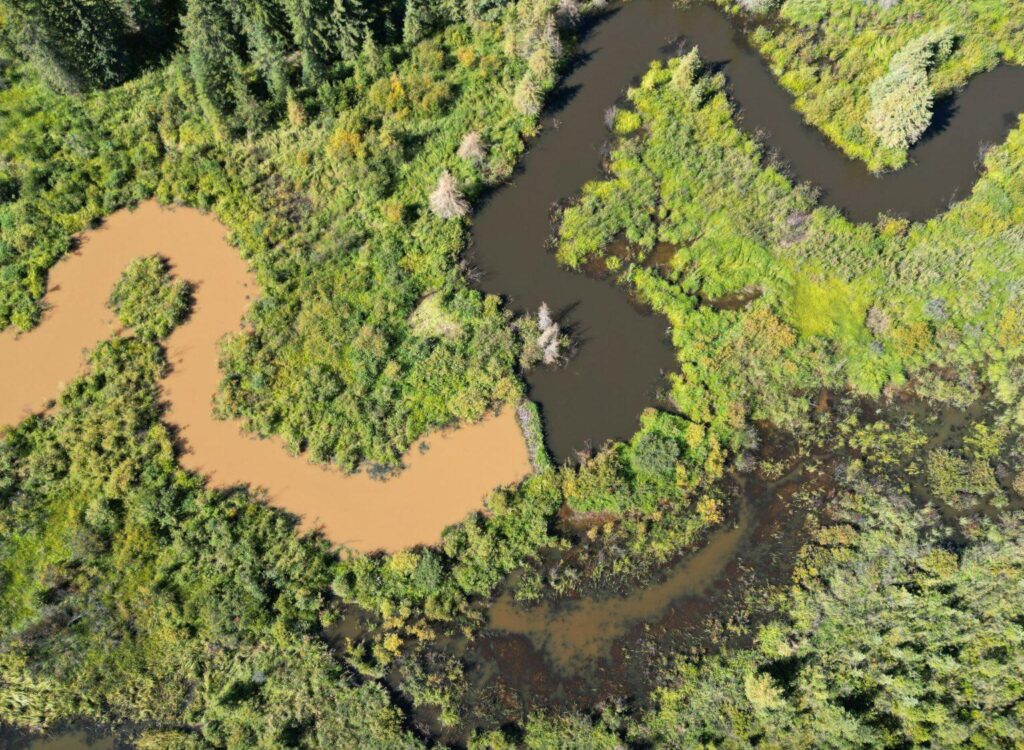
These ponds also act as natural filters. As water slows behind a dam, sediment and pollutants sink to the bottom instead of traveling further downstream. This process keeps rivers cleaner and helps replenish groundwater, especially during dry seasons.
According to environmental scientists, a single beaver family can restore an entire wetland area, turning eroded land into a thriving ecosystem of biodiversity. Their work benefits not only wildlife but also human communities that rely on clean water sources.
Beavers and Climate Resilience
The beaver’s ecological role is becoming increasingly vital as climate change intensifies storms and droughts. During heavy rains, their dams act as natural flood defenses, spreading and storing water instead of letting it rush destructively downstream. During droughts, these ponds release water slowly, sustaining vegetation and wildlife when other areas dry up.
Research by the University of Alberta and several North American conservation groups has shown that beaver wetlands can cool local temperatures, reduce the risk of wildfires, and even improve carbon storage in the soil. By holding water and organic matter in place, these ecosystems help absorb carbon dioxide — a small but meaningful contribution to climate stability.
A Living Example in British Columbia
The photographed dam in British Columbia became a case study after researchers observed how effectively it filtered muddy runoff following intense rainstorms. Despite torrents of water, the dam remained intact, forming a series of small ponds that trapped sediment and protected downstream habitats from pollution.
Local conservationists noted that beavers had returned to the area after decades of absence, and within just a few years, the landscape had changed dramatically: new vegetation, cleaner streams, and the return of fish and amphibians once thought gone.
Lessons From the Beavers
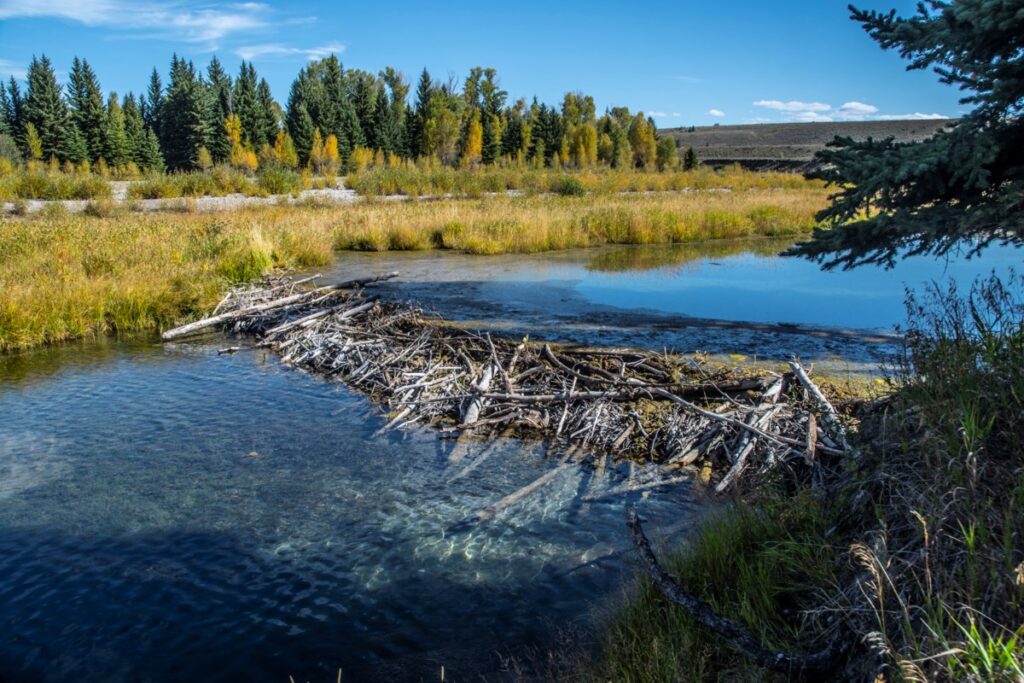
The resilience of these animals holds a lesson for humans. Beavers don’t rely on advanced tools or machines — only instinct, teamwork, and balance with nature. Their dams remind us that sometimes the best environmental management solutions already exist in the wild.
As urban planners and conservationists look for sustainable ways to manage water and reduce flooding, many are turning back to the “beaver model”. Some restoration projects now reintroduce beavers or mimic their dam-building techniques to restore wetlands and improve water quality naturally.
A Partnership With Nature
What happened in British Columbia is more than a fascinating ecological story — it’s a vision of what coexistence can look like. Beavers are not pests; they are partners in healing the planet’s watersheds. Their work offers a natural, low-cost solution for challenges that humans often try to fix with expensive infrastructure.
In a time when the environment faces growing threats, the humble beaver stands as proof that every creature has a role in protecting our shared world.
Leave a Reply