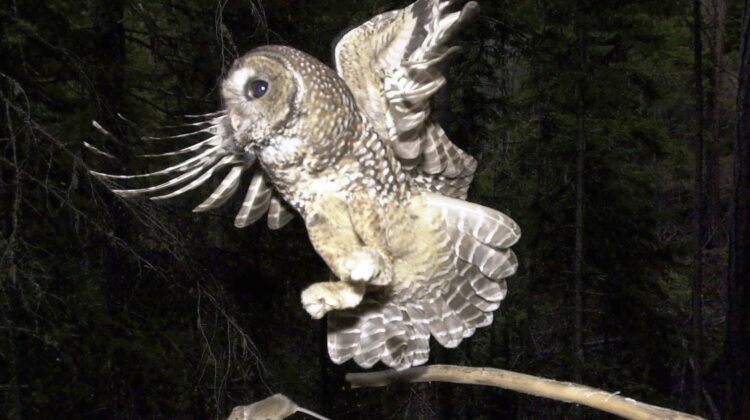
A new directive from the U.S. Fish and Wildlife Service marks one of the most significant shifts in how the Endangered Species Act has been enforced since the law’s passage in 1973 — narrowing the circumstances under which killing a protected animal or plant counts as illegal.
What the Directive Says
The Sept. 14 memo, signed by Fish and Wildlife Service Director Brian Nesvik, states that a “take” of a protected species under the Endangered Species Act (ESA) now requires an intentional act directed specifically at that animal. Nesvik offered a direct example: “Felling a tree is not a take of the bats roosting in it unless the tree is felled for the purpose of killing or capturing them” — meaning the bats’ deaths would be considered “indirect and accidental” rather than unlawful.
The directive builds on a separate rule change that took effect the same day, which narrowed the ESA’s regulatory definition of “harm” to protected species.
How This Differs From Decades of Prior Enforcement
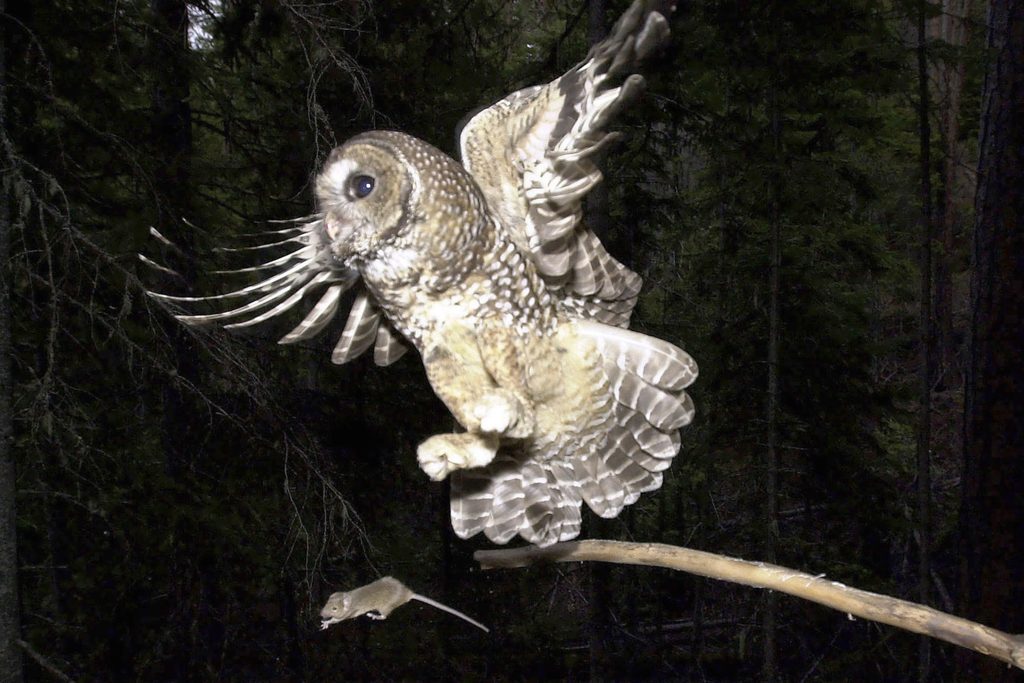
For most of the law’s history, the federal government interpreted “harm” broadly enough to include habitat destruction that predictably kills or injures protected species — even when that destruction wasn’t the direct goal of the activity. Under that older standard, a timber company could, in principle, be held liable for logging that was known to kill nesting endangered birds, or a developer for a dam project that would foreseeably kill migrating salmon.
Under the new interpretation, according to the Interior Department (which oversees the Fish and Wildlife Service), direct actions against protected wildlife — “harassing, pursuing, hunting, shooting, wounding, killing, trapping, capturing or collecting protected wildlife” — remain explicitly prohibited. What changes is liability for the indirect, foreseeable-but-unintended killing of protected species during otherwise lawful activity like logging, construction, or development.
The Administration’s Rationale
Officials have framed the change as a correction rather than a rollback, arguing that the previous, broader interpretation of “harm” went beyond what Congress originally intended when it passed the ESA. The administration has pointed to the Supreme Court’s 2024 Loper Bright Enterprises v. Raimondo decision, which limited federal agencies’ authority to interpret ambiguous statutes on their own, as part of the legal basis for revisiting the definition. The directive also draws on a dissenting opinion written by former Justice Antonin Scalia in a 1995 Supreme Court case concerning the ESA’s scope.
The Critics’ Response
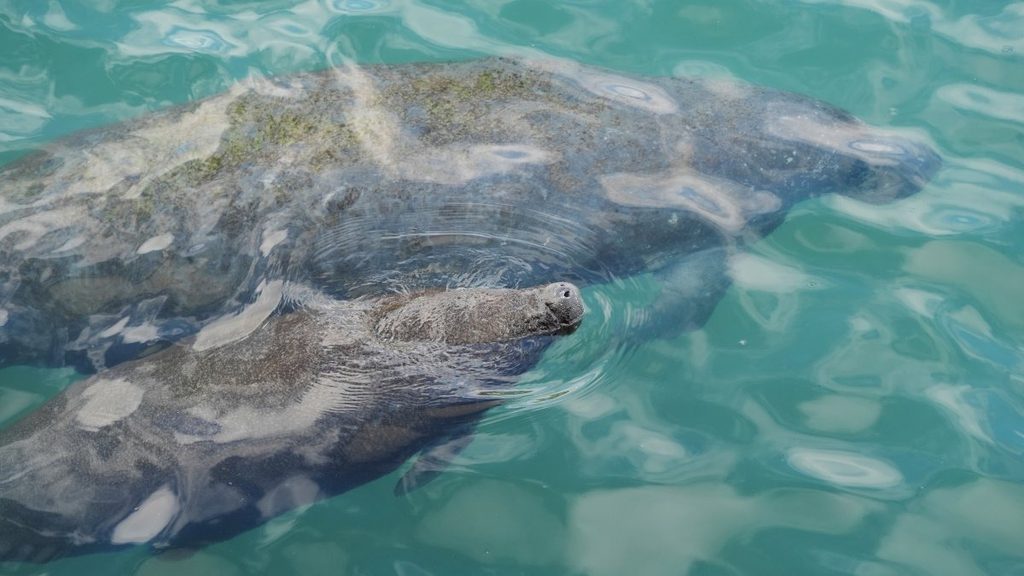
Dan Ashe, who led the Fish and Wildlife Service under the Obama administration and now serves as president of the Association of Zoos and Aquariums, called the change a major departure from the law’s enforcement history: “This cuts against the entire history of the Endangered Species Act,” he said, adding that it “creates a huge loophole” and “completely relieves people of any responsibility for their actions, even consequences that can be easily predicted.”
Noah Greenwald of the Center for Biological Diversity described the shift in blunter terms: “This is basically a free-for-all. It’s a radical reinterpretation that would put polluters and other industry before the natural world.” Environmental groups have argued the change could accelerate habitat loss and extinction risk for already vulnerable species by removing a major legal deterrent against destructive development.
What Happens to Existing Permit Systems
For decades, companies and individuals seeking to develop land that overlapped with protected species’ habitat could work with federal officials to craft habitat conservation plans and obtain permits allowing a limited, monitored level of incidental harm. Attorney Sandi Snodgrass, whose clients include developers, energy companies, and utilities, said that under the new interpretation, only those acting directly against animals — hunters, trappers, anglers, and potentially pesticide applicators — would clearly need such permits going forward. She noted, however, that some companies may still choose to seek permits voluntarily, both as protection against future administrations reversing the policy and as a safeguard against citizen lawsuits.
The Law’s Track Record
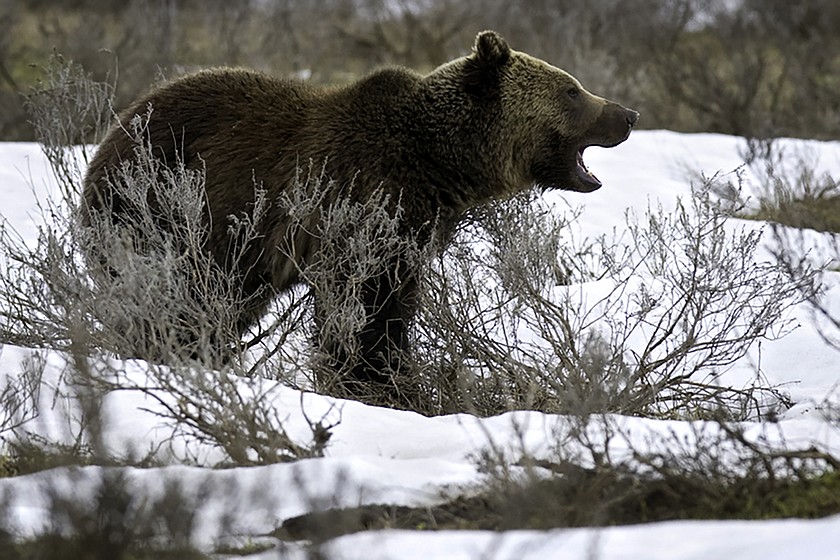
The Endangered Species Act is widely credited with helping bring several iconic American species back from the brink of extinction, including the bald eagle, the American alligator, and the California condor. The law has been a recurring political battleground: Republicans scaled back several of its provisions during Trump’s first term, those changes were reversed under the Biden administration, and similar rollback efforts have now resumed under the current administration. States and conservation organizations have filed multiple lawsuits challenging the recent changes, meaning the directive’s long-term legal standing remains unresolved.
Frequently Asked Questions
Does this mean hunting or capturing endangered animals is now legal? No — the Interior Department has stated that direct actions against protected wildlife, including hunting, shooting, trapping, and capturing, remain explicitly prohibited under the new interpretation; the change specifically concerns indirect, unintended harm during otherwise lawful activities.
Is this policy change final, or could it still be reversed? It remains legally contested — multiple states and conservation groups have filed lawsuits challenging the changes, and similar ESA policy shifts have been reversed by subsequent administrations in the past.
What does “take” mean under the Endangered Species Act? “Take” is the ESA’s legal term covering prohibited actions against a protected species, historically interpreted broadly to include habitat modification that harms a species; the new directive narrows this to require that the harm be intentional and directed at the specific animal.
Sources: Associated Press, Interior Department official statements, and quoted remarks from Dan Ashe (Association of Zoos and Aquariums) and Noah Greenwald (Center for Biological Diversity), cited above.
Leave a Reply