
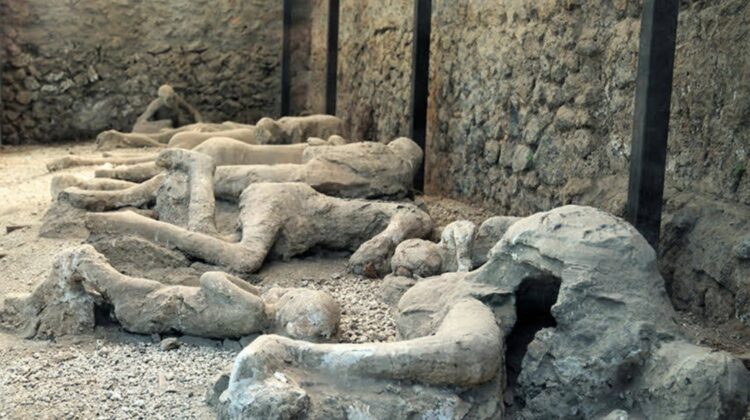
There are places on Earth where history itself seems to have pressed its fingerprint into the soil, reminding us of the fragility of human civilization. One such place is the ancient city of Pompeii — a thriving Roman town that, on one fateful day in 79 AD, was buried beneath ash and volcanic rock. Today, it stands as both an archaeological treasure and a chilling reminder of nature’s unstoppable power.
A City Full of Life
Pompeii was a prosperous Roman settlement in Campania, not far from Naples. Its streets bustled with markets, temples, and public baths. Citizens enjoyed theaters, feasted in street taverns, and decorated their homes with vibrant frescoes. Around 20,000 people lived there — artisans, merchants, soldiers, and farmers.
But all this life thrived in the shadow of Mount Vesuvius, a volcano whose silent slopes concealed centuries of slumbering fury.
The Day of Catastrophe
On August 24, 79 AD (though some evidence suggests it may have been later in the autumn), the sky above Pompeii darkened. Vesuvius erupted violently, hurling a massive column of ash, stones, and toxic gases high into the air. Soon, a rain of pumice crashed down, shattering roofs.
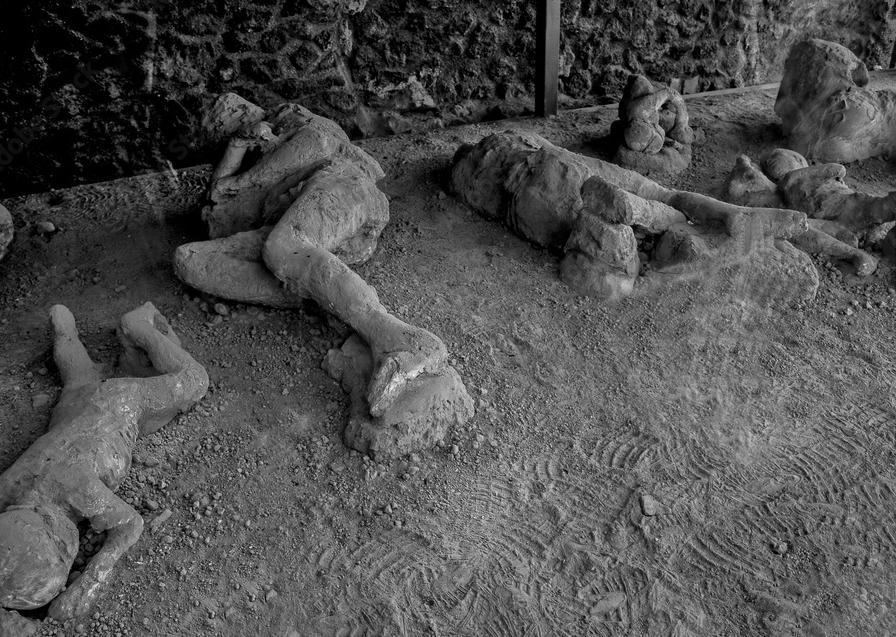
Many tried to flee, others sought shelter — but by the following day, a scorching pyroclastic surge swept through the city. The heat was so intense that lives were extinguished in an instant. Within hours, Pompeii disappeared beneath a six-meter blanket of ash and rock.
Rediscovery of a Lost World
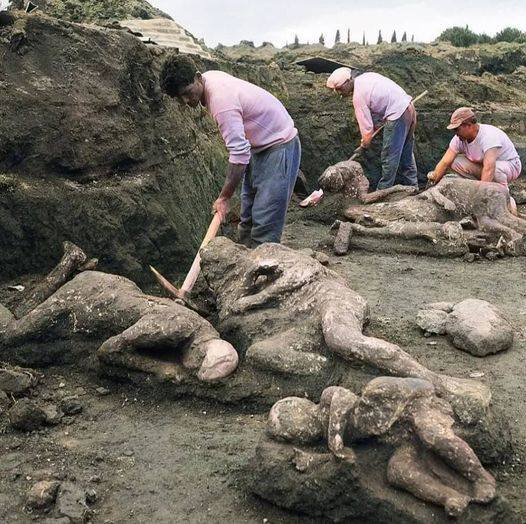
For centuries, Pompeii was forgotten. It wasn’t until the 18th century, under Bourbon rule, that systematic excavations began. What archaeologists uncovered shocked the world:
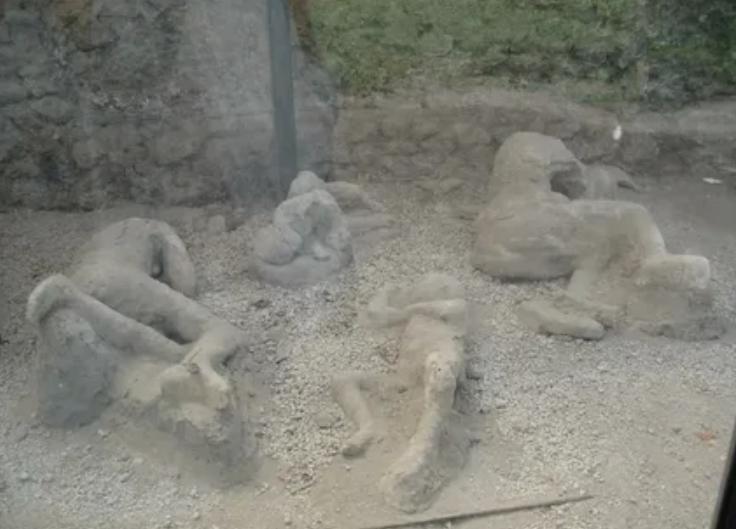
This wasn’t just rubble — it was a city sealed in time. Everyday objects were preserved: amphorae filled with wine, loaves of bread still in ovens, jewelry, and even graffiti on the walls. Most haunting of all were the hollow voids in the ash layers, the negative spaces left by human bodies. By pouring plaster into them, archaeologists revealed eerie casts of people in their final moments — parents shielding children, citizens praying, others desperately covering their faces.
A Ghost City
Today, Pompeii is an open-air museum visited by millions each year. Walking its ancient streets, one can still see villas, theaters, and bathhouses. Every detail — from mosaics to children’s toys — brings the past vividly to life.
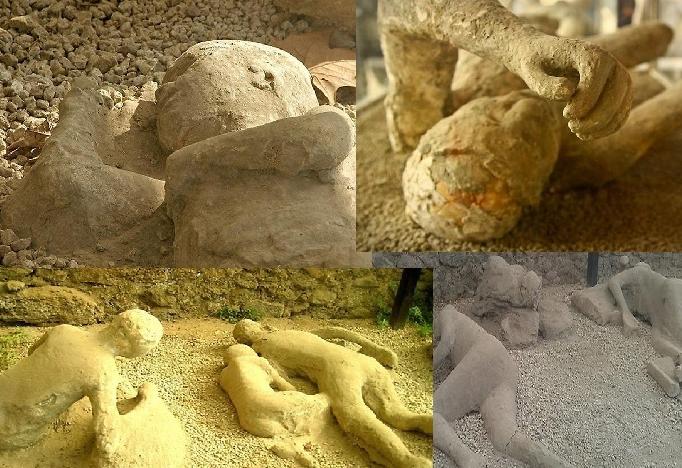
But alongside its fascination, Pompeii carries a warning: that even the greatest civilizations can be humbled in a heartbeat by nature’s raw force.
Mysteries and Legacy
Scholars still debate whether more lives could have been saved had the early tremors and ash fall been seen as warnings. Some argue escape was nearly impossible given the eruption’s speed.
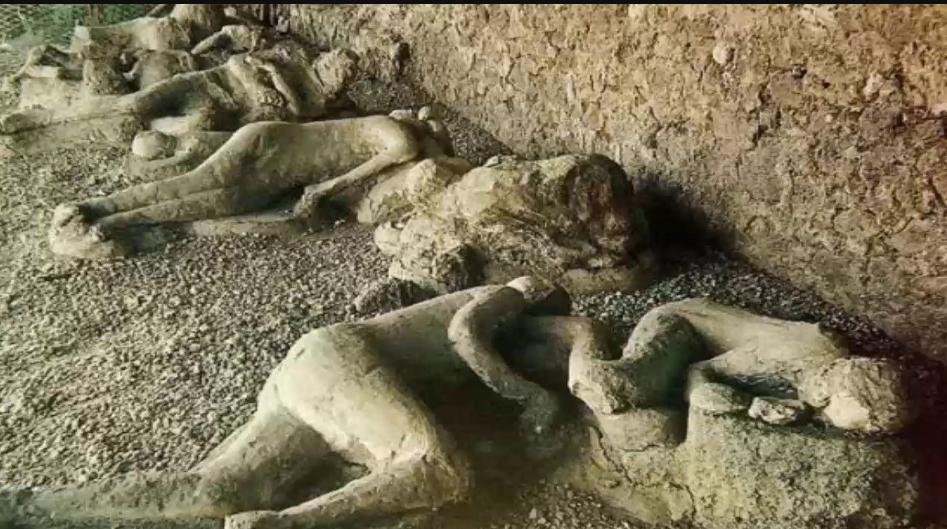
Evidence shows many victims died instantly, not from suffocation but from unbearable heat that seared lungs and bodies. This makes Pompeii not only a tragedy but one of the most terrifying natural disasters in history.
Yet out of this horror grew an enduring legacy. Pompeii has inspired countless artists, writers, and filmmakers. It remains a stark reminder of life’s fragility, the limits of human power, and the enduring dominance of nature.
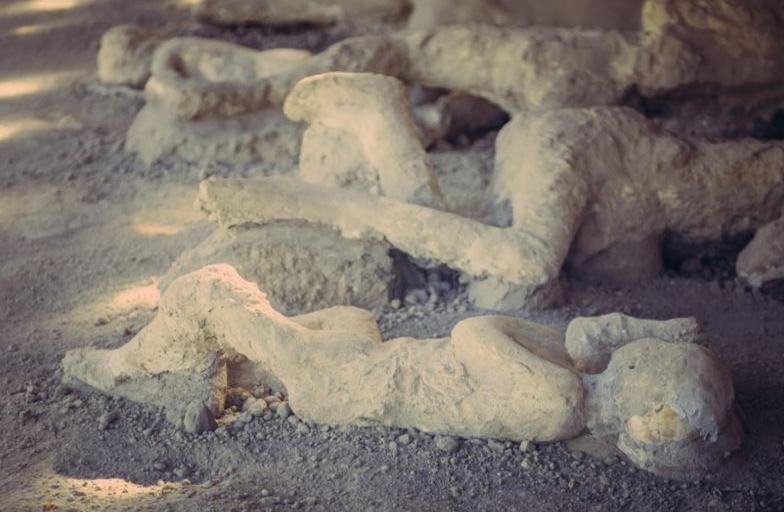
Even now, archaeologists continue to unearth new secrets — mosaics, frescoes, and artifacts that deepen our understanding of Roman life. Pompeii is not just ruins; it is a story still unfolding, a city forever frozen in the moment when time stopped.
Leave a Reply