
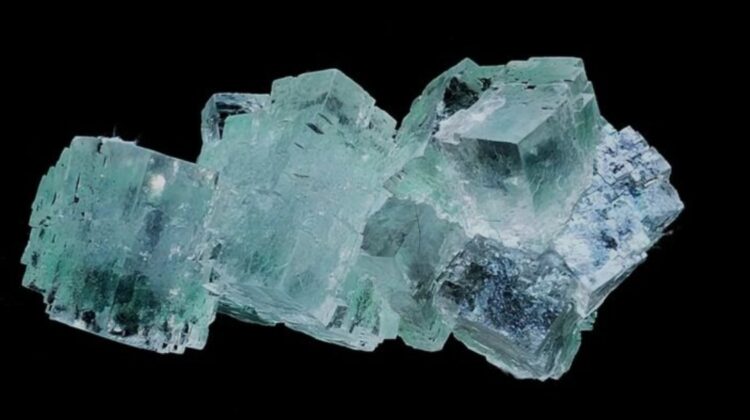
In an astonishing scientific breakthrough, researchers have managed to release air trapped inside a rock for 815 million years, providing the most direct glimpse yet into Earth’s ancient atmosphere.
A Window Into Earth’s Distant Past
Until now, scientists studying Earth’s prehistoric climate relied largely on indirect evidence — complex modeling, chemical analyses, and tiny air bubbles preserved in Antarctic ice cores. While these methods revealed valuable information, the oldest ice samples date back just 5 million years to the Pliocene Epoch.
Earth, of course, is far older. Thanks to groundbreaking work by an international team of researchers led by geochemist Dr. Nigel Blamey, we now have direct evidence from nearly a billion years ago.
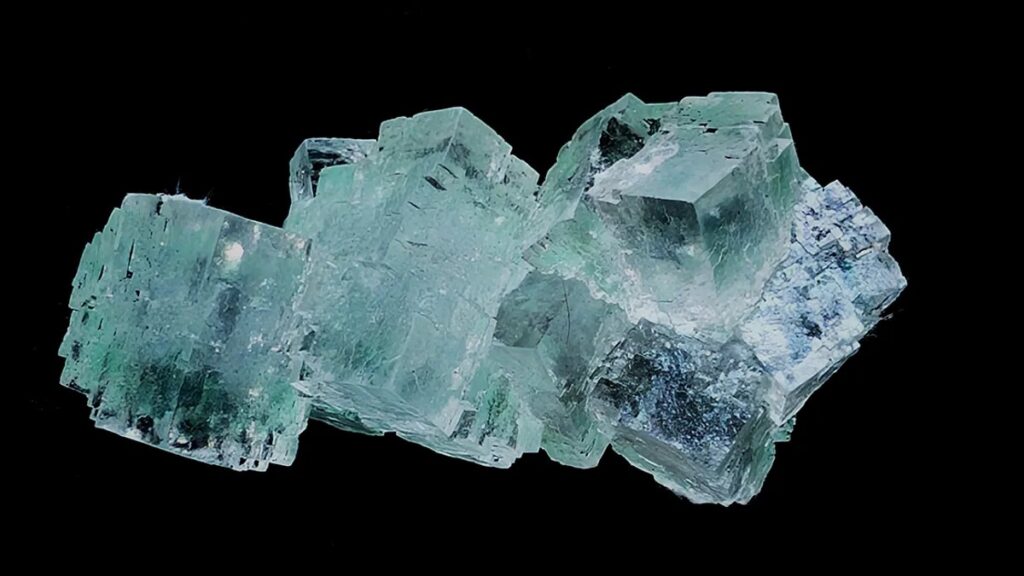
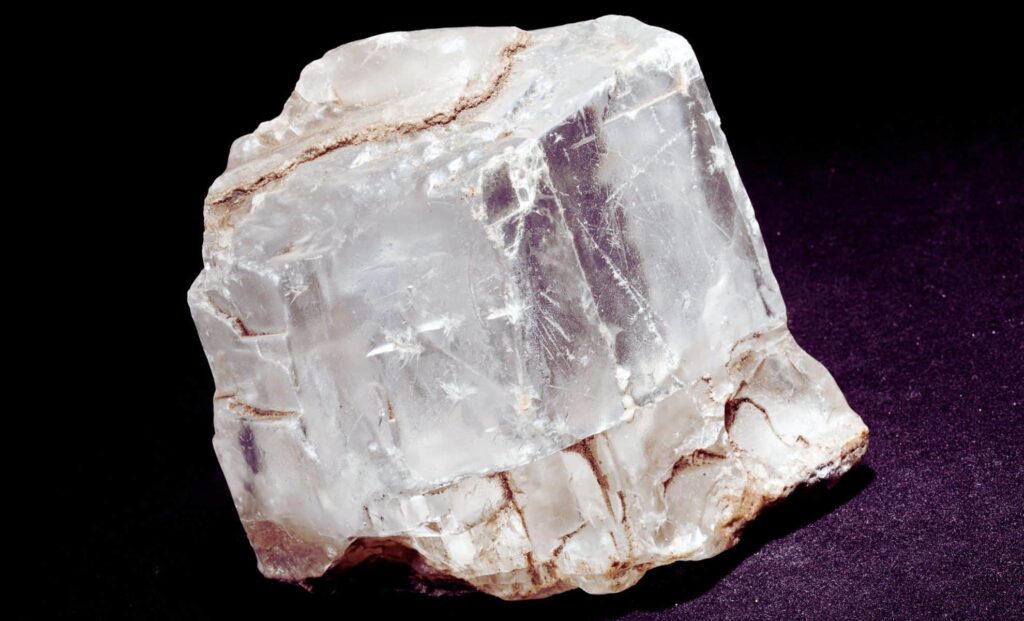
The team studied halite (rock salt) samples drilled in Australia in 2016. Hidden within the crystals were microscopic “inclusions” — tiny bubbles of gas trapped since ancient times. For decades, these inclusions were thought too small to study. But using a new high-precision vacuum and mass spectrometry technique, the scientists were able to crush the halite, release the fossilized gas, and analyze its chemical makeup.
What the Scientists Found
The results stunned researchers. Oxygen levels in the ancient air were far higher than expected.
“There was a lot of debate as to what the oxygen content was 800 million or more years ago,” Dr. Blamey explained. “We found oxygen at approximately half of today’s level.”
That equates to 10.3 to 13.4 percent oxygen, compared to modern Earth’s 20.9 percent. Previous estimates had placed ancient oxygen levels as low as 2 percent.
Professor John Parnell of the University of Aberdeen called the results groundbreaking:
“For the first time, we measured oxygen in the air that allowed the earliest animals to breathe. What is especially significant is that we discovered a real atmosphere sample — not just indirect models. It’s like holding a piece of Earth’s past in your hands.”
Why It Matters
The findings suggest that oxygen-rich conditions existed far earlier than scientists believed, possibly supporting the rise of complex life hundreds of millions of years before the Cambrian Explosion.
However, the study sparked debate. A re-analysis by another team suggested oxygen levels may have been closer to 6.6 percent — still higher than expected, but lower than Blamey’s results.
Regardless, the discovery proves that ancient gases can be directly studied and opens the door for future research into Earth’s deep-time atmosphere and its connection to the evolution of life.
The Future of Ancient Air Studies
The researchers have since refined their techniques and protocols for studying gas inclusions in halite, and more discoveries are expected. Each trapped bubble could hold secrets about climate, oxygen, and volcanic activity from hundreds of millions of years ago.
What began as a microscopic bubble in a crystal of rock salt may now rewrite humanity’s understanding of how life first took root on Earth.
Leave a Reply