
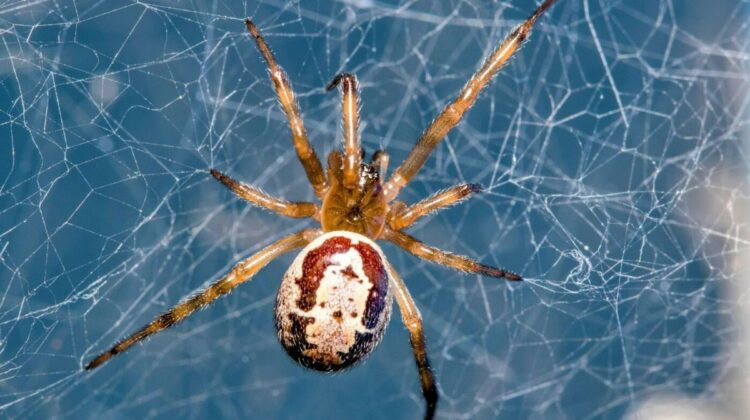
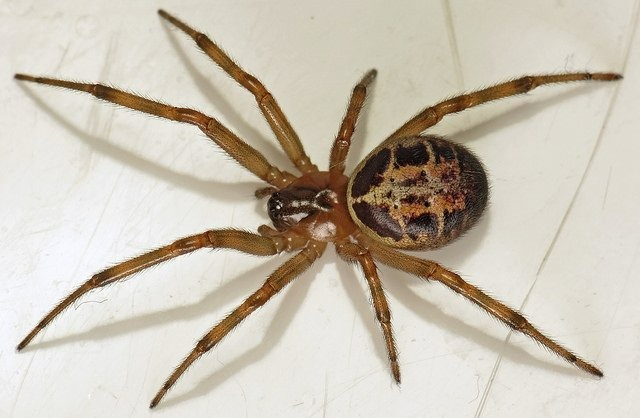
As summer fades and the evenings grow cooler, a familiar and often unwelcome guest begins slipping into British homes: the False Widow spider. Known as Steatoda nobilis, it has earned the title of Britain’s most notorious spider—especially during its peak mating season in late August and September.
While the False Widow has inspired both fascination and fear, understanding its habits, risks, and prevention strategies can help you stay safe and at ease this season.
A Brief History of the False Widow
The False Widow isn’t originally from Britain. Believed to have arrived in the 19th century via cargo ships from the Canary Islands, this spider has since made the UK its permanent home. The warmer southern regions provided the perfect environment, and over time, it spread across much of the country.
During late summer, male False Widows abandon their webs in search of mates, which often brings them into contact with humans. Open windows, drains, and small crevices become convenient entry points into homes.
How Dangerous Is the False Widow?
Despite sensational headlines, a False Widow bite is rarely life-threatening. Arachnologists emphasize that while the spider’s venom is potent, it is not fatal to humans.
- Common Symptoms: Pain and swelling, similar to a wasp sting.
- More Severe Reactions: In rare cases, fever, nausea, or flu-like symptoms.
Medical reports in the UK have documented some serious cases, but these are the exception rather than the rule.
Where Do They Hide?
False Widows are drawn to warm, dark, and secluded places, often indoors. Look out for their messy cobweb-like traps in places such as:
- Attics and basements
- Garages and sheds
- Window frames and door crevices
- Behind furniture or clutter
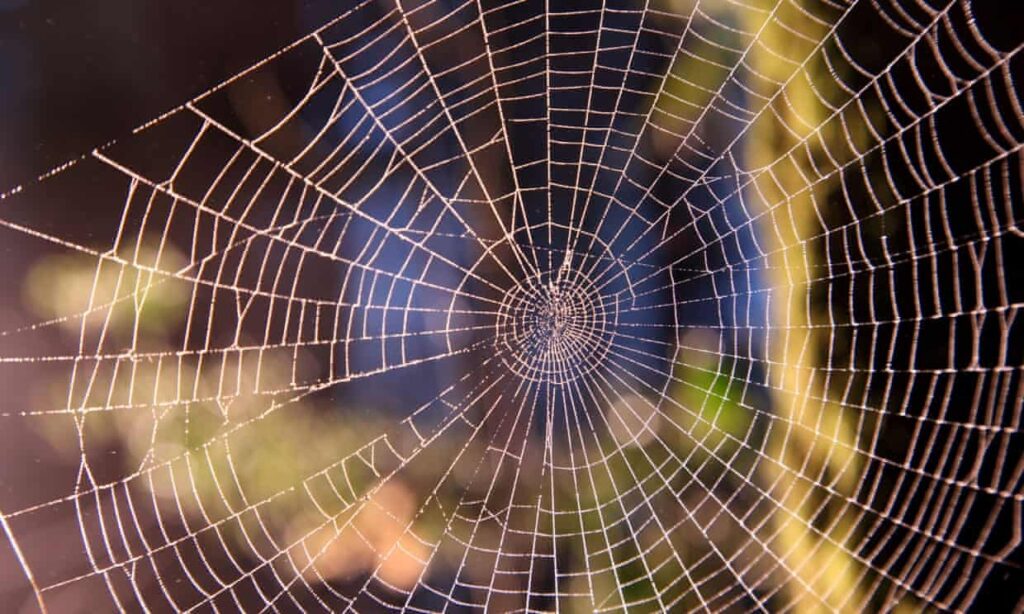
Unlike garden spiders that weave neat, symmetrical webs, the False Widow’s webs are tangled and sticky, designed for ambush rather than beauty.
Prevention Tips: Keeping False Widows Out
Encounters are most likely during their active mating season, but with a few simple steps, you can greatly reduce the chances of finding one inside:
- Limit Entry Points: Keep windows and doors closed at night.
- Seal Cracks and Gaps: Use caulk or weatherstripping to block potential entryways.
- Regular Cleaning: Dust, vacuum, and clear corners where webs might form.
- Outdoor Maintenance: Trim vegetation and clear clutter near the house to reduce their outdoor breeding grounds.
Final Thoughts
The False Widow spider may have a frightening reputation, but it doesn’t have to inspire fear. With a bit of awareness and precaution, you can enjoy the end of summer without unwanted encounters.
By understanding their behavior and following simple prevention steps, you’ll keep your home safe—and let the False Widow stay where it belongs: outside.
Leave a Reply