
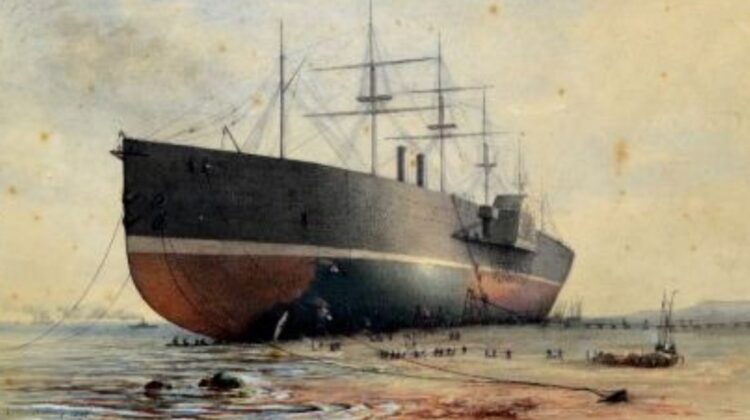
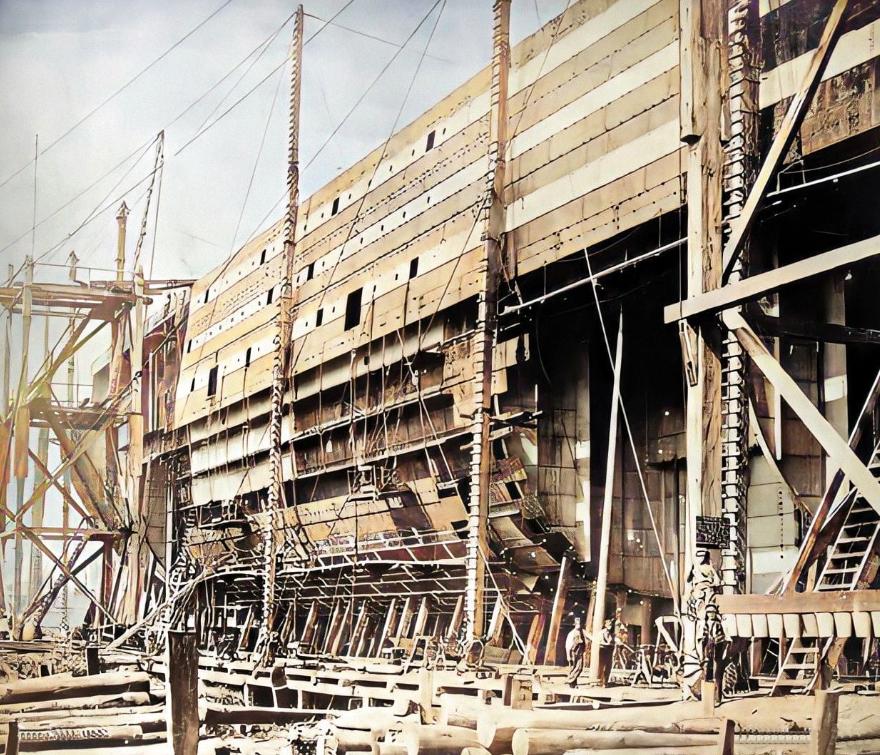
In 1858, Britain launched a ship so massive and ambitious that it stunned even the most experienced engineers: the SS Great Eastern. Designed by the legendary Isambard Kingdom Brunel, the vessel stretched 211 meters long, displaced nearly 19,000 tons, and was at the time the largest ship ever built.
Many doubted it could even float. But float it did — and it became one of the greatest technological marvels of the Victorian era.
A Ship Ahead of Its Time
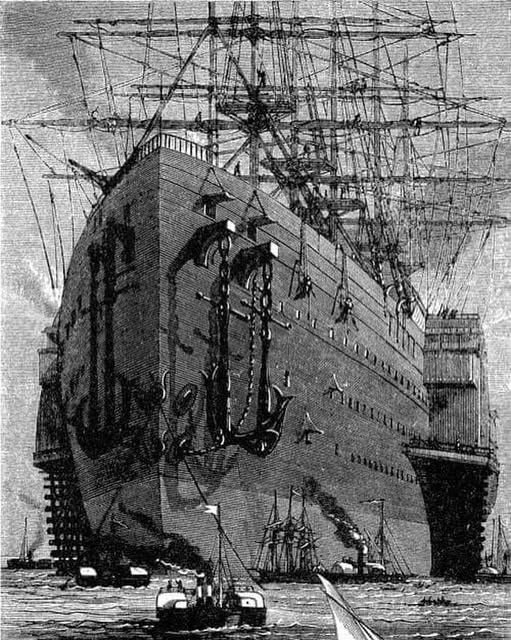
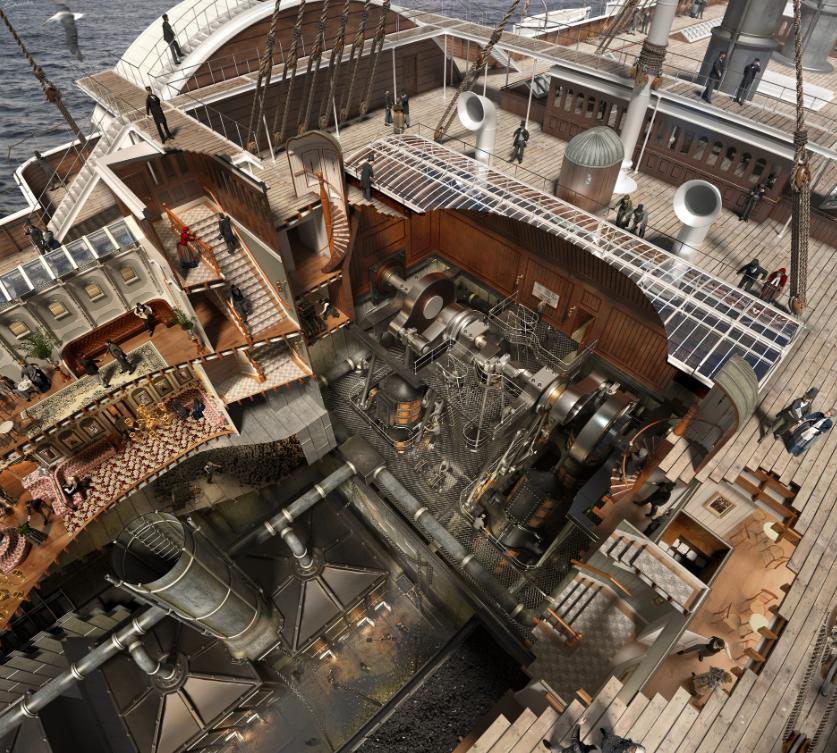
The Great Eastern was unlike anything the world had seen. It boasted:
- Six masts and sails
- Enormous paddle wheels
- A screw propeller
- Five coal-fired steam engines
- Capacity for 4,000 passengers
- Enough fuel storage to sail from England to Australia without refueling
At a time when most ships struggled to cross the Atlantic, the Great Eastern felt like something out of science fiction.
Early Struggles and Failure as a Liner
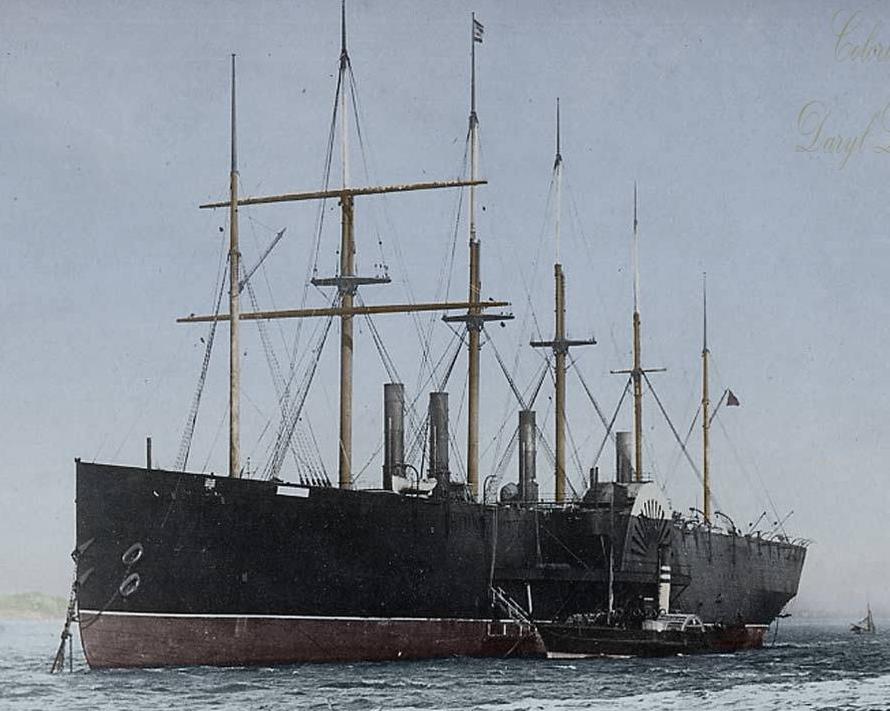
Despite its promise, the Great Eastern’s early years were plagued by disaster. Its launch was delayed by boiler explosions, technical failures, and financial troubles.
The dream of a luxury liner quickly crumbled. The ship’s enormous size, complex engineering, and high operating costs made it unprofitable for regular passenger service. Investors were disappointed, and the Great Eastern became known as a failure at sea.
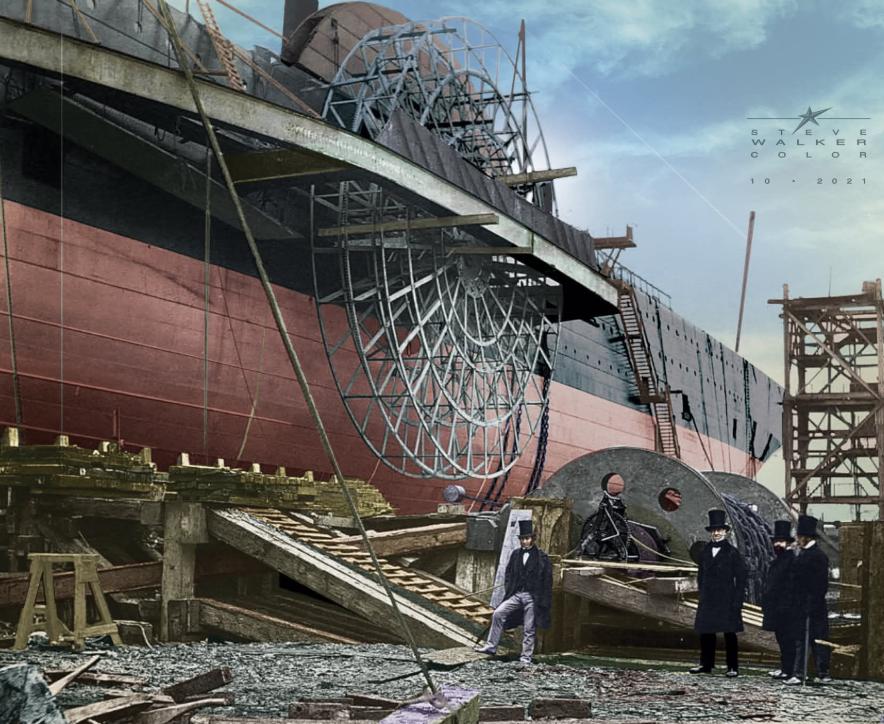
The Ship That Connected Continents
But the story didn’t end there. In the 1860s, the Great Eastern found its true purpose. Its massive size and stability made it the perfect vessel for laying underwater telegraph cables.
From its decks, cables were laid across the Atlantic Ocean, connecting Europe directly with North America for the first time. Messages that once took weeks to deliver could now be sent in minutes.
Though it failed as a passenger ship, the Great Eastern became the backbone of a global communications revolution.
A Legacy That Outlived the Ship
The Great Eastern was dismantled in 1889, but its influence lived on. It inspired Jules Verne, who wrote about it in his novel A Floating City. Engineers studied its design for decades, recognizing Brunel’s daring vision as far ahead of its time.
Today, it is remembered as “the ship that was too big for its time.” Yet its true mission wasn’t luxury travel — it was to help chart the course for the modern, connected world.
Leave a Reply