
North Dakota winters have always been harsh, but in March 1966, a storm arrived that exceeded all expectations. Known as the Great Blizzard of 1966, it became one of the most devastating winter storms in U.S. history, leaving behind towering snowdrifts, paralyzed towns, and stories of both tragedy and survival that still resonate today.
A Storm Like No Other
At first, residents thought it was just another snowstorm — common for the region. But as hours passed, the blizzard intensified. Snow fell relentlessly while winds of up to 70 mph (113 km/h) blasted across the Northern Plains, reducing visibility to near zero.
The wind turned snowflakes into icy needles, and stepping outside even briefly was life-threatening. Some who left their homes became disoriented just steps from their own front doors.
Snowdrifts Higher Than Houses
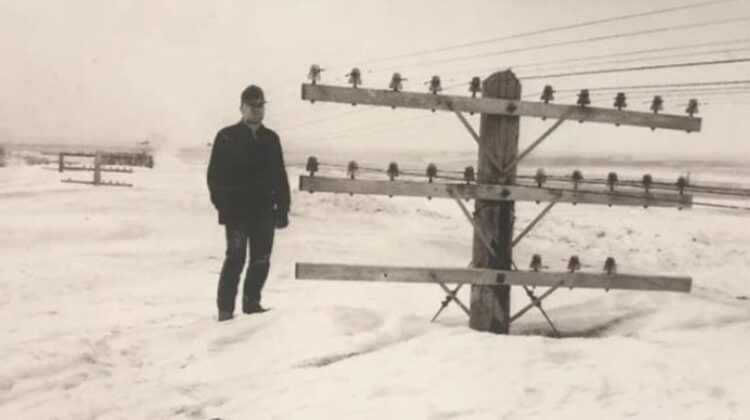
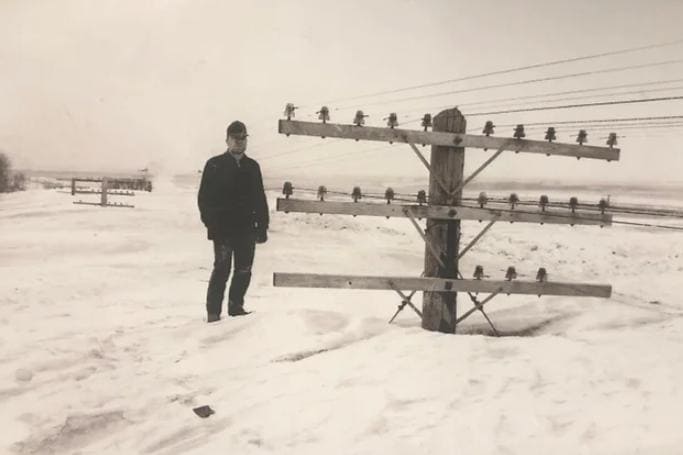
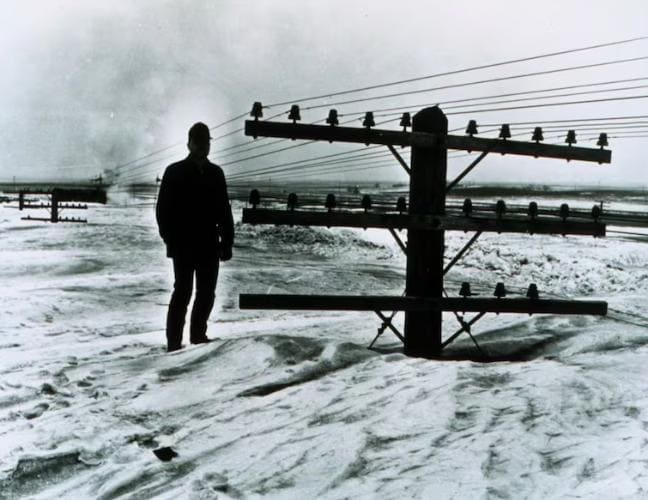
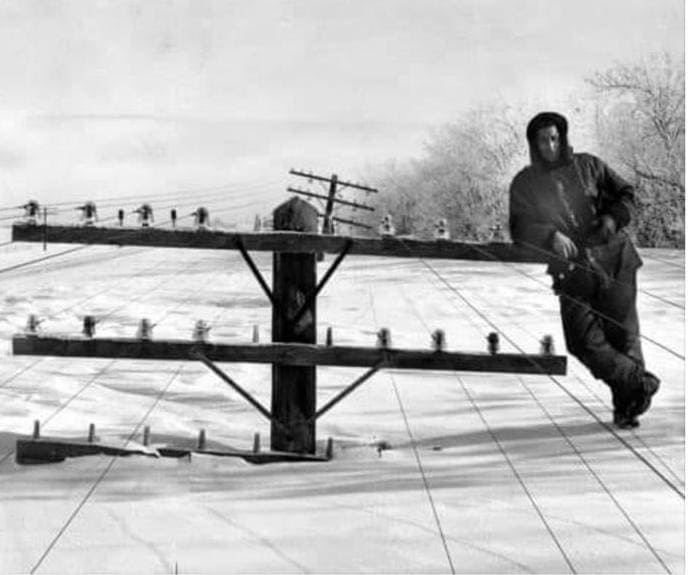
What set this storm apart wasn’t just its ferocity but its incredible snow accumulation. Snowdrifts reached 20–25 feet (6–8 meters), burying homes and vehicles. Iconic photos from the time show residents standing level with power lines, while others dug tunnels through mountains of snow simply to leave their houses.
Roads and railways shut down entirely. Food, fuel, and medical supplies became scarce as rescue efforts struggled against the blizzard’s intensity.
Tragedy and Loss
The storm claimed dozens of lives. Some victims died of exposure after becoming lost outside; others perished when buildings collapsed under the snow’s immense weight.
Livestock losses were catastrophic — thousands of cattle froze or suffocated beneath the drifts, devastating farms and causing financial damage estimated in the millions.
Stories of Heroism
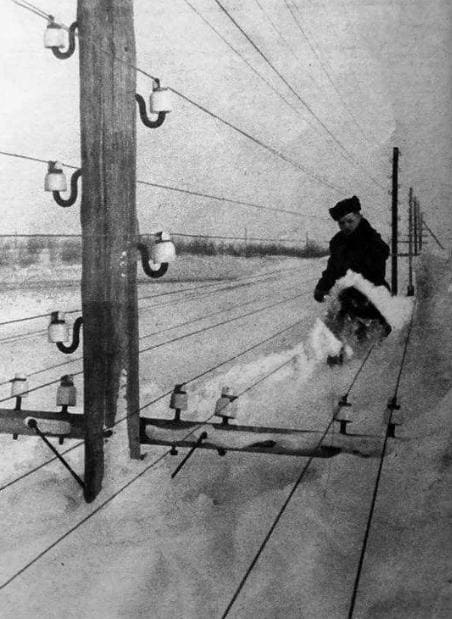
Yet amid the chaos came remarkable acts of courage. Families shared fuel, food, and shelter, digging tunnels between homes to check on neighbors. The National Guard and U.S. military were deployed to deliver aid, clear roads, and rescue stranded residents.
Some families dismantled barns for firewood, while others melted snow for drinking water. These stories of resilience and unity showed the strength of North Dakota’s communities.
A Turning Point in Preparedness
The Great Blizzard of 1966 changed how America approached winter weather safety. The storm prompted new building codes to withstand heavy snow loads, significant advancements in forecasting technology, and widespread public safety campaigns to prepare people for extreme weather.
Remembering the Blizzard
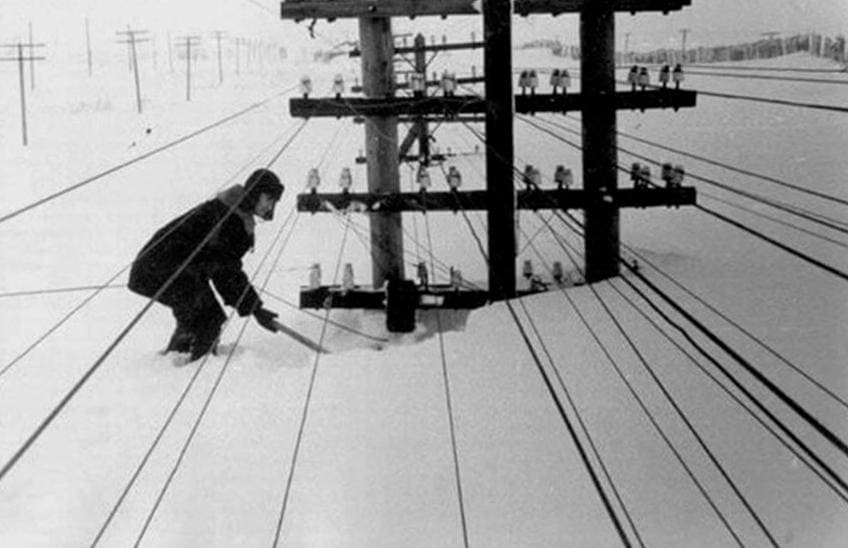
Today, the Blizzard of 1966 stands as a chilling reminder of nature’s raw power. The haunting photographs of buried towns and towering drifts serve as a testament to both devastation and survival.
For North Dakotans, it remains a symbol of resilience — proof that even in the harshest conditions, communities can endure and rebuild.
Leave a Reply