
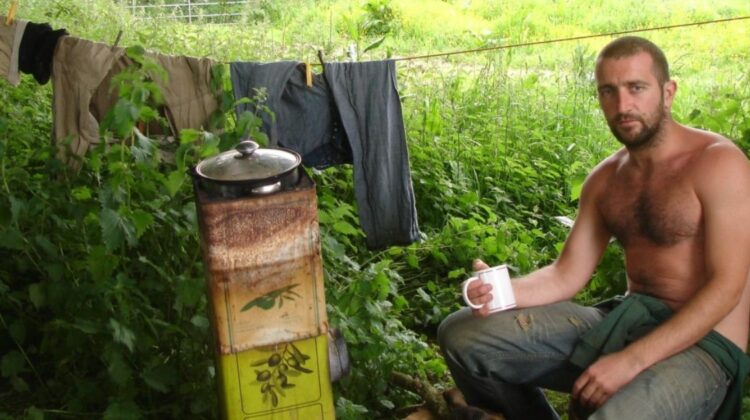
Mark Boyle isn’t a homeless person. He’s not poor. He’s an Irish writer and activist who made a conscious and radical choice: to live without money. This decision, which began as a year-long experiment in 2008, was born from a deep dissatisfaction with a system he felt was destroying the environment and isolating people from their communities.
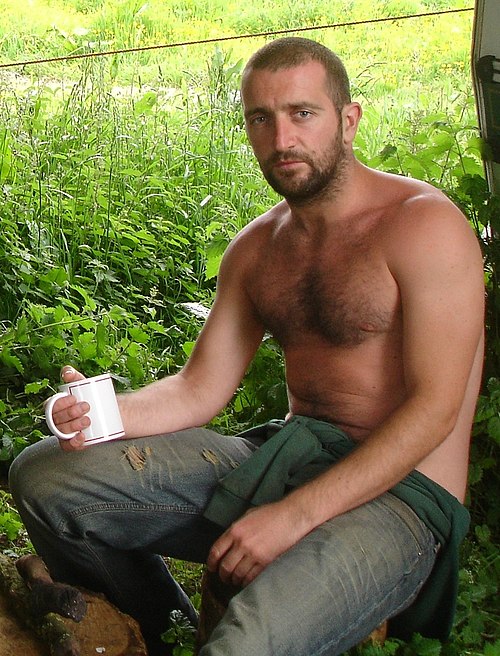
Boyle’s central belief is that money creates a vast disconnect. When you buy a product from a supermarket, you are completely removed from the process of its creation—from the materials and the labor to the waste and pollution involved. By opting out of the monetary system, Boyle wanted to reconnect with the world around him. He aimed to live a life where his actions had direct, tangible consequences.
The Practicalities of a Moneyless Life
Living without money isn’t easy, and Boyle’s journey was far from a simple, romanticized lifestyle. He had to learn new skills and embrace a different way of thinking.
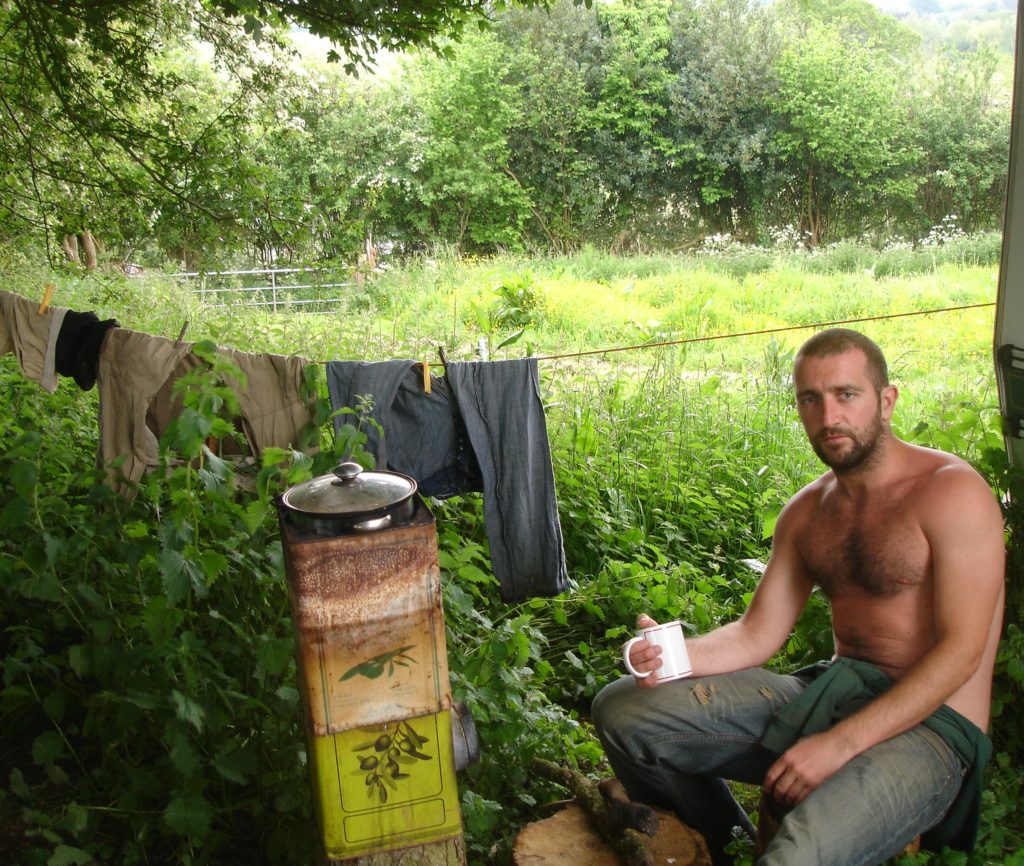
- Food: He relied on foraging for wild plants, growing his own vegetables on a small plot, and bartering his labor for food from local farmers. He also became known for “skip-diving,” or taking perfectly good food from supermarket dumpsters, a practice that highlighted the immense food waste in the modern world.
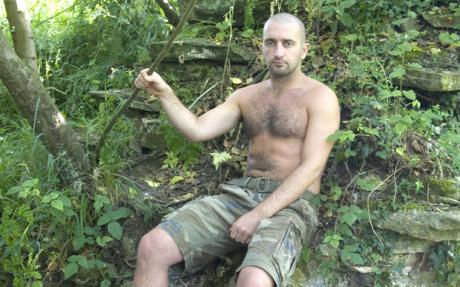
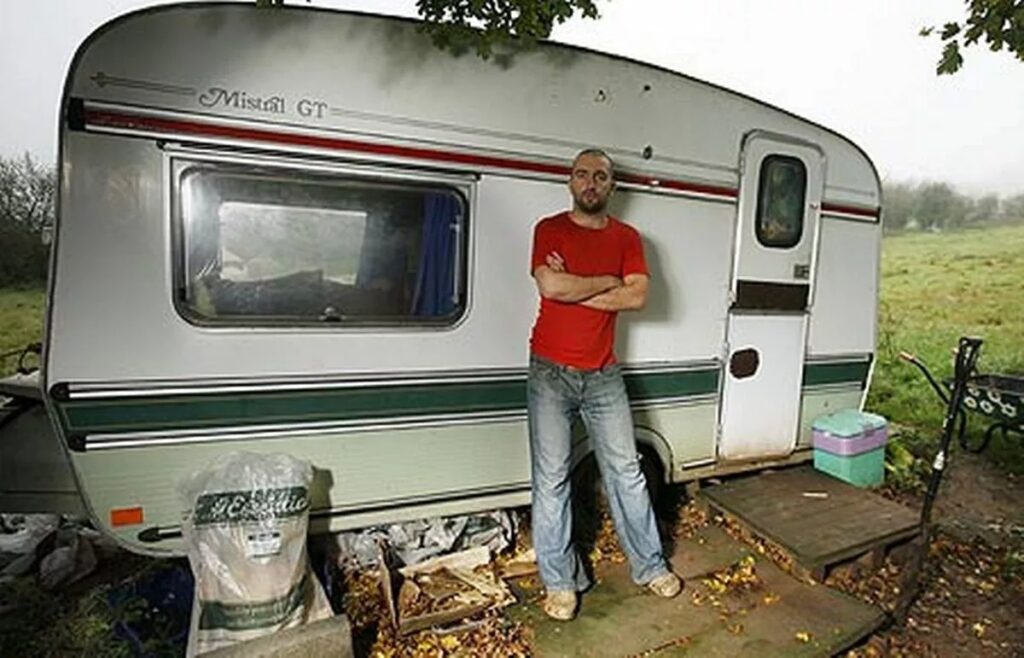
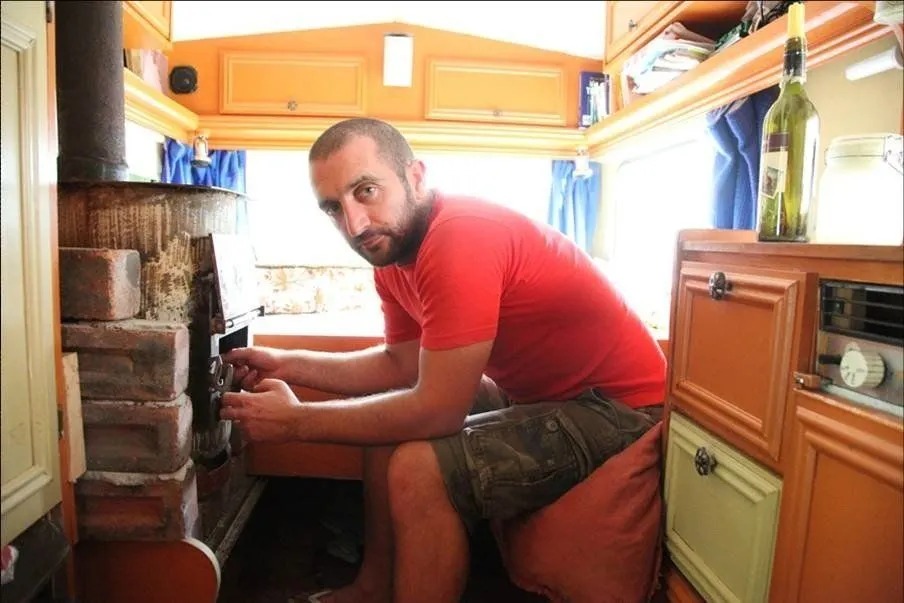
- Shelter: He first lived in a free caravan before building his own small, sustainable house from natural materials. This required him to learn how to build with his hands and rely on the generosity of others who helped him with the project.
- Transportation: Travel was a deliberate act, accomplished by walking, cycling, or hitchhiking. These slower forms of movement forced him to experience his surroundings in a much more intimate way.
- Goods: Instead of buying things, he learned to repair his own clothes and possessions. For bigger needs, he created the “Freeconomy Community,” an online platform where people can share items and services without money.
The Evolution of His Philosophy
After his initial year without money, Boyle’s philosophy expanded to include a critique of technology itself. He found that even in a moneyless world, our reliance on technology still creates a separation from our natural environment and the people around us.
For his book, The Way Home, he lived without any modern technology, including electricity and the internet. He built his own home by hand, learned to make fire with friction, and lived by the sun’s natural rhythms. This experience taught him that a deeper level of freedom and happiness comes from a direct, unmediated connection to nature and our own self-sufficiency.
Ultimately, Boyle discovered that the true security he found wasn’t in a bank account, but in the trust and relationships he built with his community. His story is a powerful reminder that while living entirely without money may be an extreme choice, his core message is one we can all learn from: a more fulfilling life can be found by prioritizing human connection and living in a way that respects the natural world.
Leave a Reply