
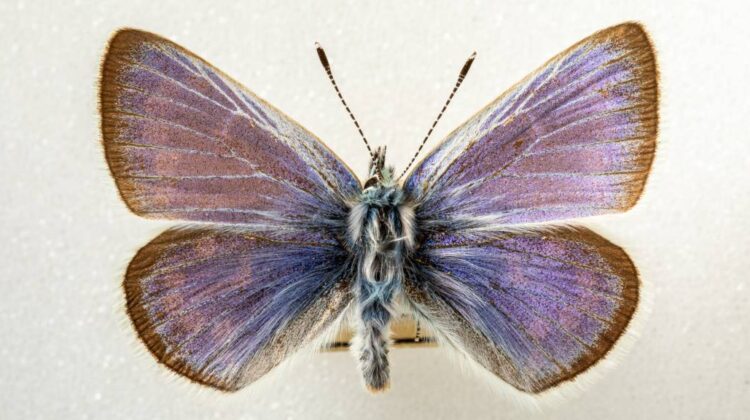
The Xerces Blue Butterfly (Glaucopsyche xerces) once fluttered across the coastal dunes of San Francisco, its shimmering blue wings lighting up the sandy hills near the ocean. Small and fragile, yet breathtakingly beautiful, it was one of nature’s gems — until it disappeared forever in the early 1940s.
A Butterfly of the Coast
The Xerces Blue lived exclusively in San Francisco’s dune ecosystem, feeding on native plants like Lotus scoparius (deerweed). Its survival depended on this fragile habitat — and when the city expanded westward, the dunes were destroyed. Urban development buried its world under roads, houses, and concrete, leaving the butterfly with nowhere to go.
Extinction by Human Hands
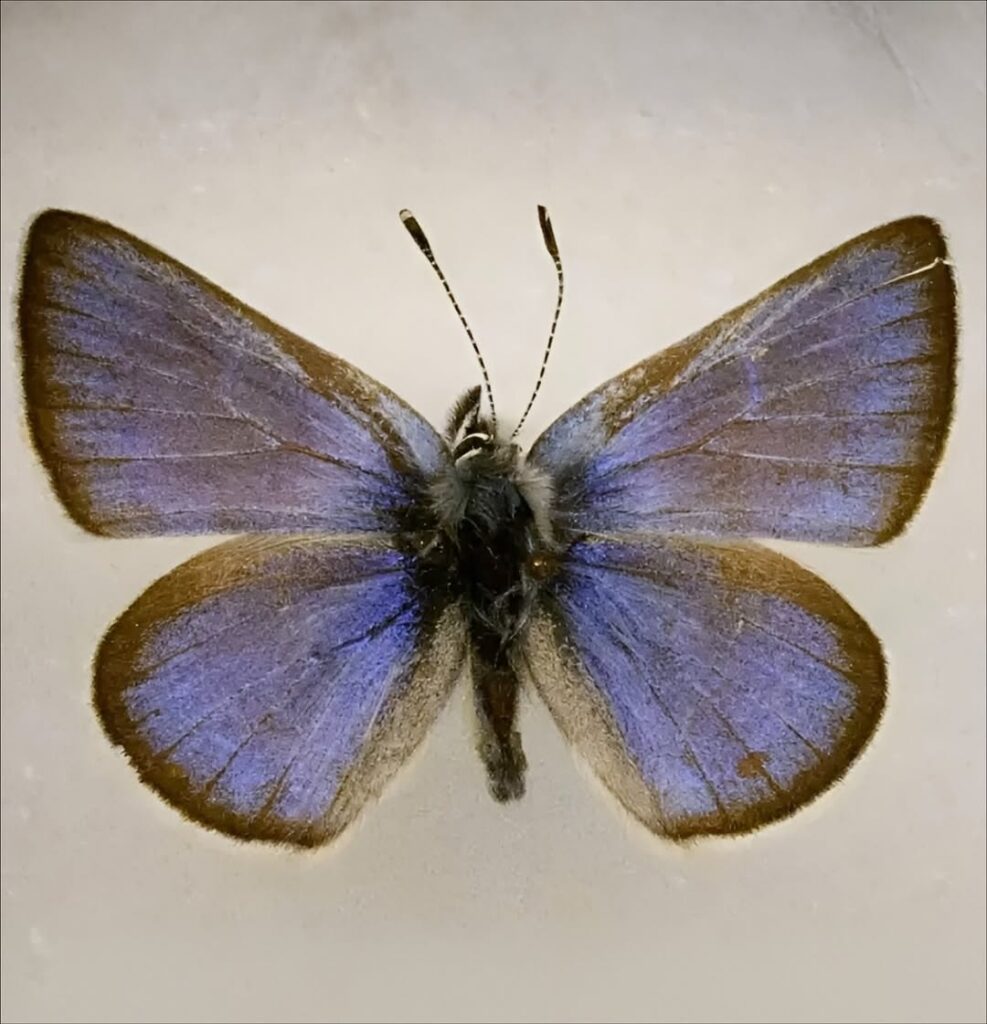
By 1941, the last Xerces Blue was seen in the wild. The destruction of its habitat, combined with invasive Argentine ants preying on its larvae, sealed its fate. It became the first insect in the United States to go extinct due to human activity — a silent victim of progress.
Science Confirms Its Legacy
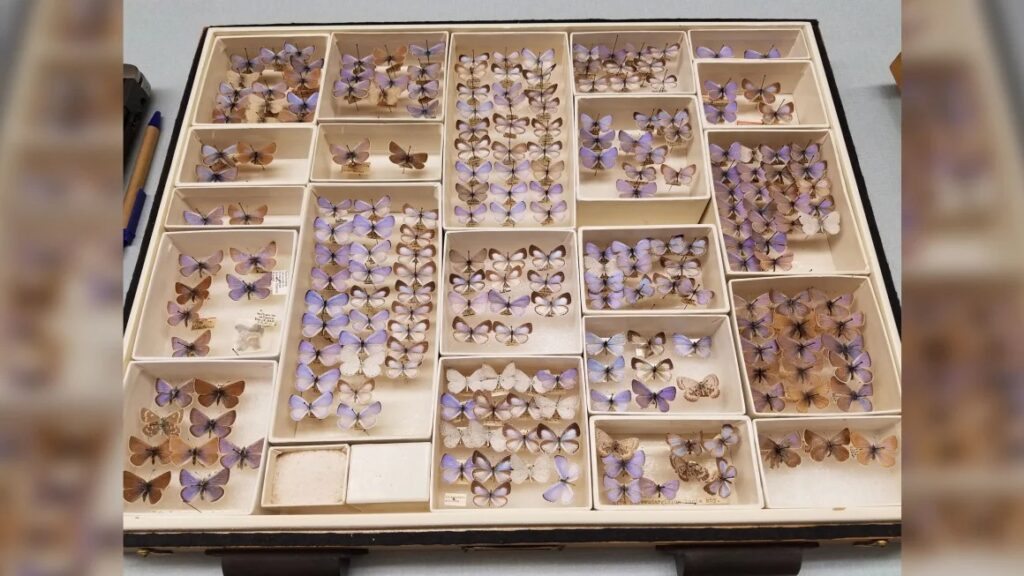
For decades, some scientists questioned whether it was truly a unique species. Then, in 2021, DNA testing on preserved specimens confirmed that the Xerces Blue was genetically distinct — not a subspecies, but a species lost forever. This revelation turned a local tragedy into a global warning.
A Legacy That Inspires Change
The Xerces Blue’s story gave birth to something hopeful: the Xerces Society for Invertebrate Conservation, founded in 1971. Named in its honor, the organization now protects bees, butterflies, and other pollinators around the world — ensuring no other small creature disappears unnoticed.
A Reminder From the Past
The Xerces Blue reminds us that even the smallest lives matter. Its extinction teaches that once a species is gone, no amount of regret or science can bring it back. Every flower we plant and every wild space we protect is a step toward ensuring that no other butterfly meets the same fate.
Leave a Reply