
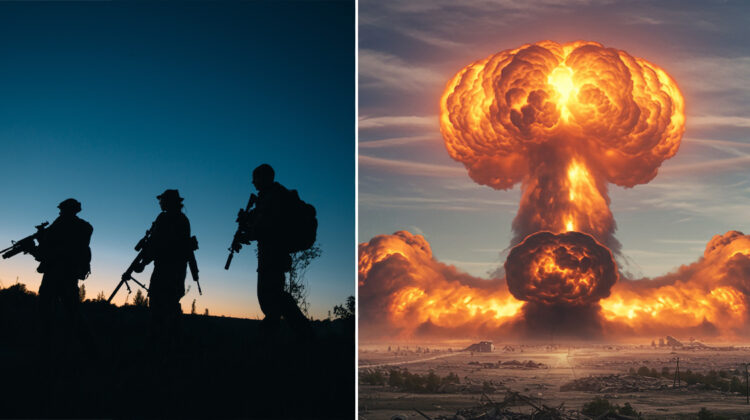
Experts say the moments immediately following a nuclear explosion are critical for anyone outside the immediate impact zone, with survival depending on rapid and informed decisions.
The scale of destruction from a nuclear detonation is extreme. Areas close to the blast can be completely destroyed, while those further away may still face collapsing structures, flying debris and exposure to dangerous radiation.
Guidance from organisations including the American Red Cross highlights several key actions that could reduce risk in the seconds and minutes after a blast.
Avoid looking at the flash
A nuclear explosion produces an intense flash of light, brighter than the sun. Looking directly at it can cause temporary or permanent blindness, even from several miles away.
Experts advise people to immediately turn away and take cover behind any available object. Windows should also be avoided, as the blast wave that follows can shatter glass and send fragments at high speed.
Seek immediate shelter
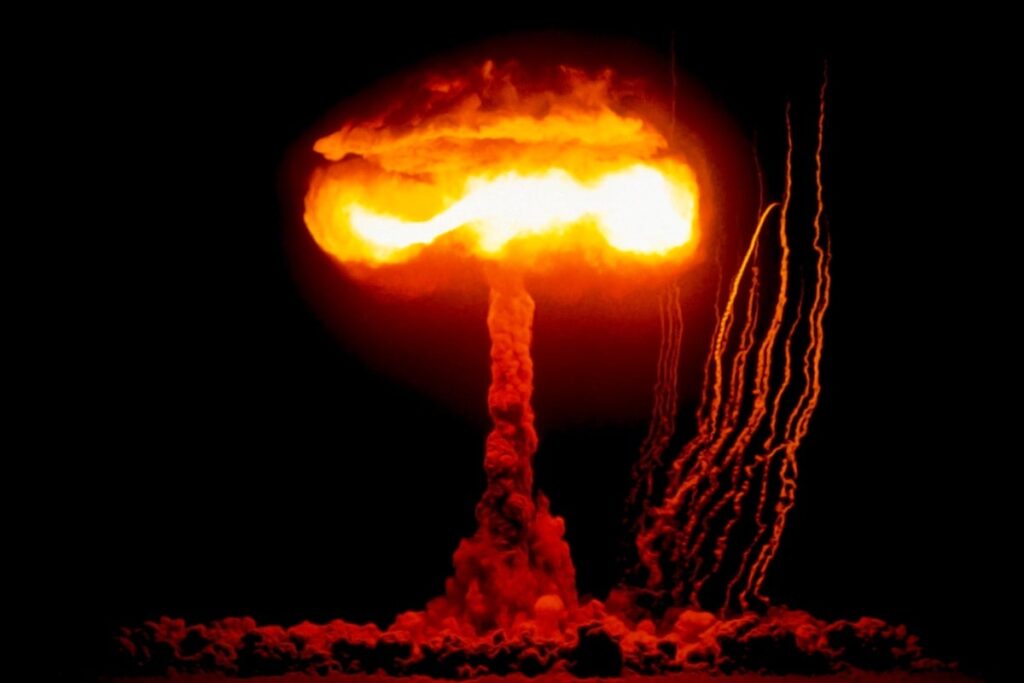
The shockwave from a nuclear blast can travel faster than sound and may arrive within seconds. This wave, known as overpressure, can cause severe structural damage and pose a significant threat to anyone outdoors.
Authorities recommend moving quickly to the nearest substantial building. Basements offer the best protection, but if none are available, people should go to the centre of a large structure, away from windows and external walls.
Vehicles do not provide adequate protection from either the blast or radiation, and should not be relied upon as shelter.
Reduce exposure to radiation
After the initial explosion, radioactive fallout becomes a major risk. Experts advise staying indoors for at least 24 hours, and ideally up to 72 hours, to allow radiation levels to decrease.
Once inside, doors, windows and ventilation openings should be closed to limit contamination. Removing outer clothing and washing exposed skin and hair with water can also help reduce radioactive particles.
Officials stress that people should remain sheltered, conserve resources and follow any instructions issued by emergency services.
Rising global concerns about emergency preparedness are driving demand for home safety equipment, survival kits, emergency communication systems, disaster insurance coverage, and secure shelter solutions, as individuals and families invest in reliable protection strategies to reduce risk and ensure long-term safety during high-impact events.
Leave a Reply