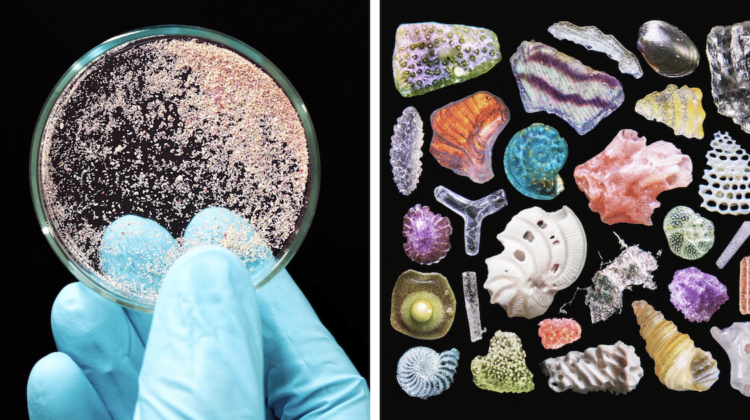
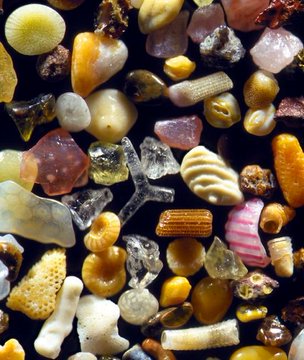
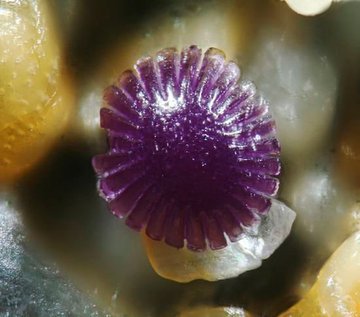
Sand is a common and seemingly ordinary material found all around us, especially at the beach. But have you ever wondered what sand looks like up close? When viewed under a microscope, sand can reveal intricate and mesmerizing patterns, colors, and textures that are invisible to the naked eye.
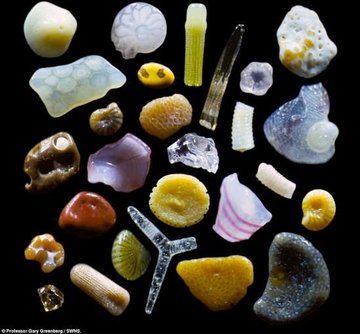
To explore the hidden beauty of sand, researchers and photographers have been using microscopes to capture stunning images of sand grains from beaches around the world. These images showcase the diversity of sand and highlight the unique characteristics of each location.
One photographer, Dr. Gary Greenberg, has dedicated his career to capturing the beauty of sand under a microscope. He has collected sand samples from over 100 locations and has spent countless hours examining them under the lens of his microscope. Greenberg’s images reveal the stunning beauty of sand, from the tiny coral fragments that make up the pink sand of Bermuda to the perfectly spherical glass beads of Hawaii’s Papakolea Beach.
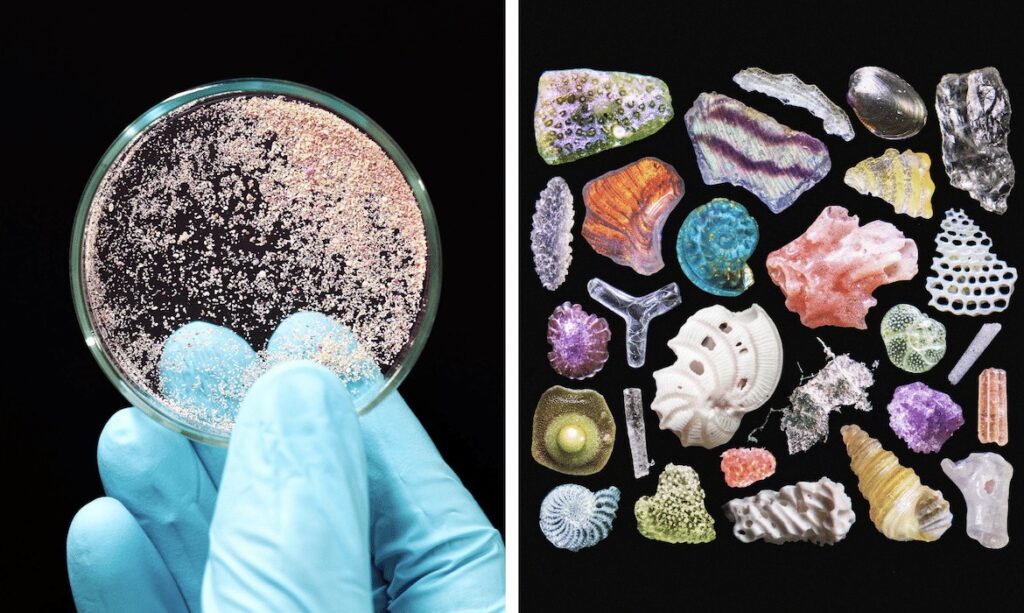
The colors and patterns of sand grains are determined by their mineral composition, which can vary greatly depending on the location. For example, the black sand of Iceland’s Reynisfjara Beach is made up of basalt, a type of volcanic rock. Meanwhile, the white sand of Australia’s Whitehaven Beach is made up of 98% pure silica.
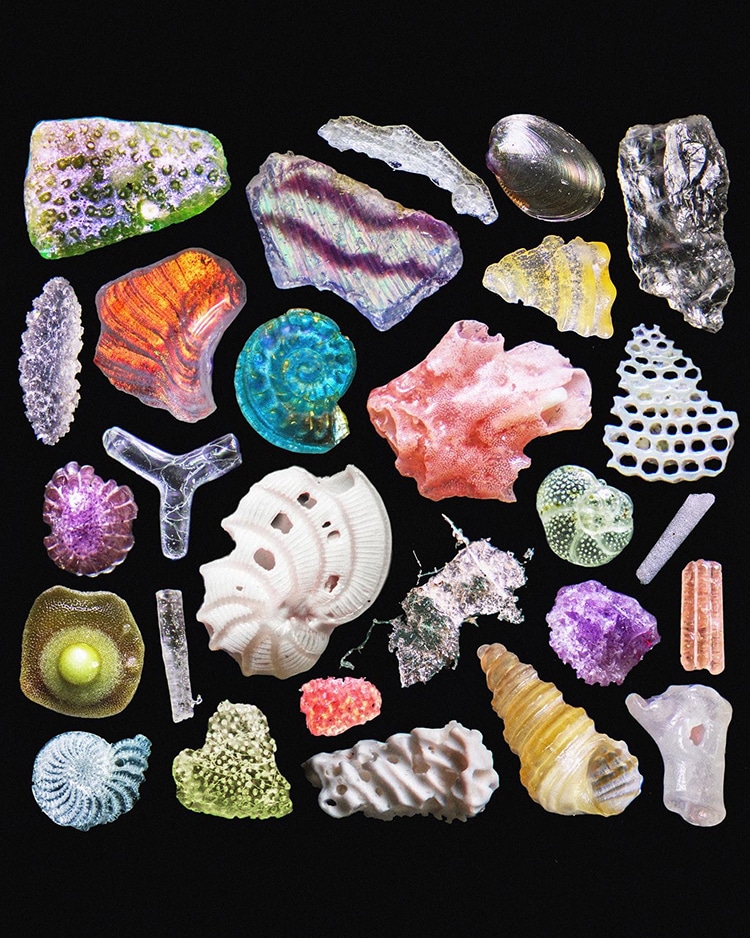
In addition to their mineral composition, sand grains can also be shaped and textured by the forces of nature. Waves, wind, and even living organisms can all play a role in shaping the appearance of sand grains. For example, the spiral-shaped sand grains found on some beaches are the result of tiny marine organisms that create intricate shells.
Aside from their aesthetic appeal, studying sand under a microscope can also provide valuable insights into the Earth’s history and geology. By analyzing the mineral composition of sand, researchers can determine the geological history of a region and trace the origins of the sand grains.
Overall, the beauty of sand under a microscope serves as a reminder of the incredible complexity and diversity of the natural world. By taking the time to appreciate the small and often overlooked wonders around us, we can gain a greater appreciation for the world we live in and the incredible forces that shape it.
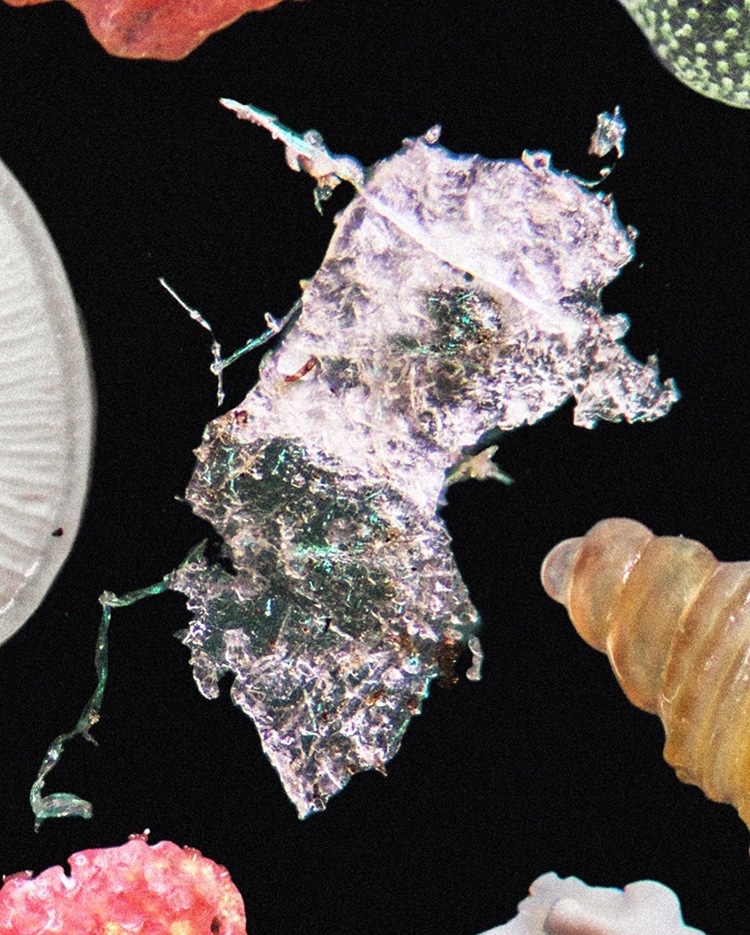
Macro photographer Ole Bielfeldt of Macrofying takes an extreme close-up look at beach sand under a microscope!

Macrofying: Instagram | Twitter | YouTube