
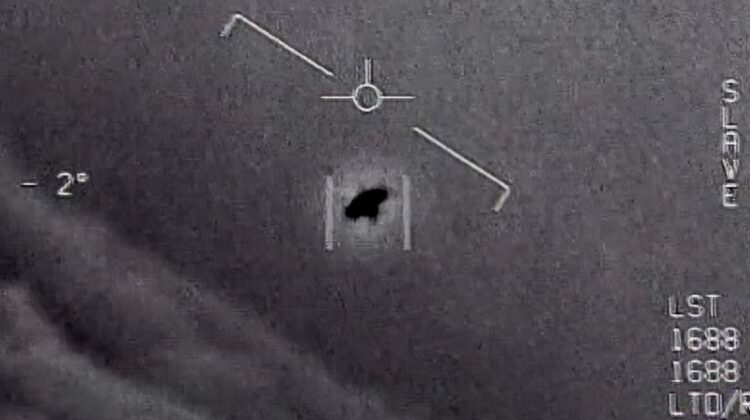
When governments promise to open their UFO archives, public imagination ignites. For decades, questions about extraterrestrial life have fueled conspiracy theories, Hollywood blockbusters, and endless online debates. Now, with renewed calls to release federal files related to UFOs and unidentified anomalous phenomena (UAP), scientists say the real story may be far less cinematic — and far more grounded in evidence.
Here’s what experts will actually be looking for when the documents are released.
What Did the Government Really Record?
Former President Donald Trump recently urged officials to begin identifying and releasing files related to alien life, UFOs, and UAPs. The announcement followed comments by Barack Obama suggesting that while the universe likely contains life somewhere, he saw no confirmed evidence during his presidency.
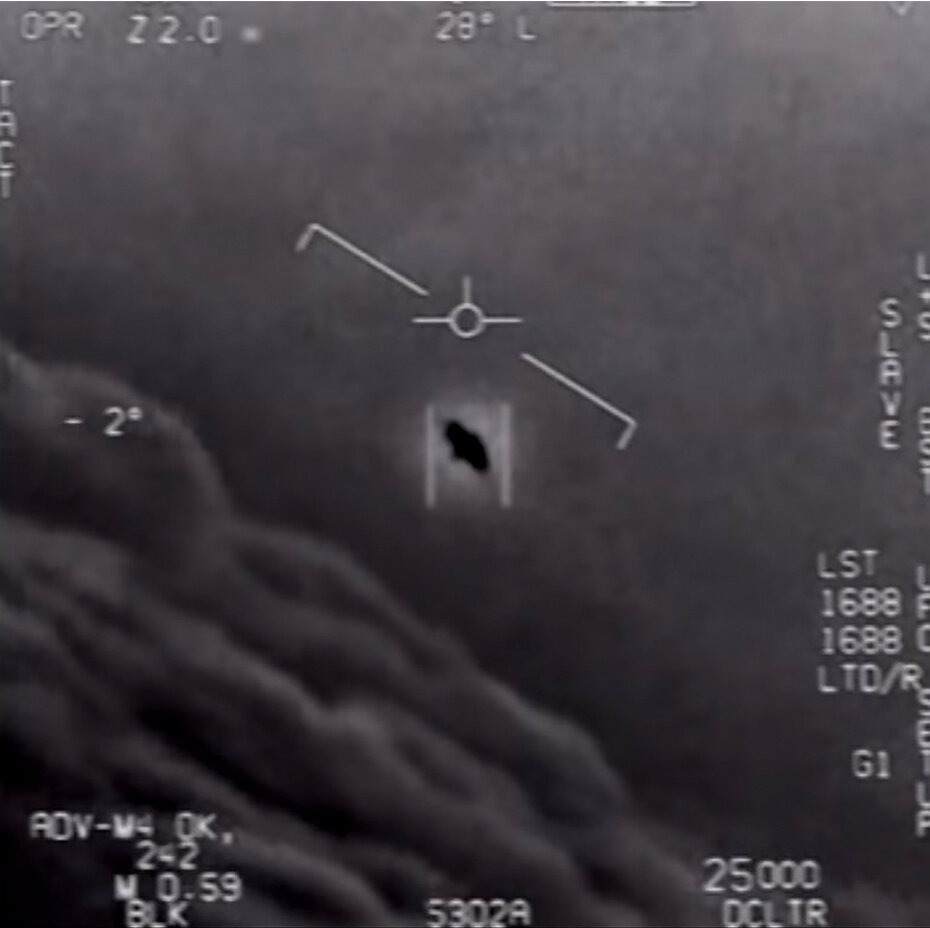
If files are released, scientists won’t be searching for dramatic alien confessions. They’ll be looking for raw data: radar logs, infrared imagery, pilot reports, satellite tracking, and sensor metadata. The key question isn’t “Are aliens here?” — it’s “What do the measurements actually show?”
The Role of AARO
Investigations into UAPs are handled by the U.S. Department of Defense’s All-domain Anomaly Resolution Office (AARO). Its first director, physicist Sean Kirkpatrick, has publicly stated that despite extensive reviews, no verified evidence of extraterrestrial technology was found.
According to Kirkpatrick, many cases involved misidentified objects, classified defense programs, or ordinary phenomena viewed under unusual conditions. His position is clear: expectations of alien spacecraft will likely lead to disappointment.
NASA’s Scientific Perspective
Astrophysicist Federica Bianco, who served on a NASA UAP study team, emphasizes that extraordinary claims require extraordinary evidence. So far, she says, nothing reviewed has violated the known laws of physics in a way that demands an alien explanation.
Similarly, astrophysicist Neil deGrasse Tyson argues that if actual alien life had visited Earth, physical evidence would speak for itself — no classified memo required. In today’s world of billions of smartphones and constant digital uploads, hiding a genuine extraterrestrial encounter would be nearly impossible.
The “Giggle Factor” in Science
Dr. Shelly Wright notes that research into UAP often carries a “giggle factor,” discouraging serious inquiry. Yet scientists remain deeply curious about life in the universe. The real interest, however, isn’t little green humanoids — it’s microbial life.
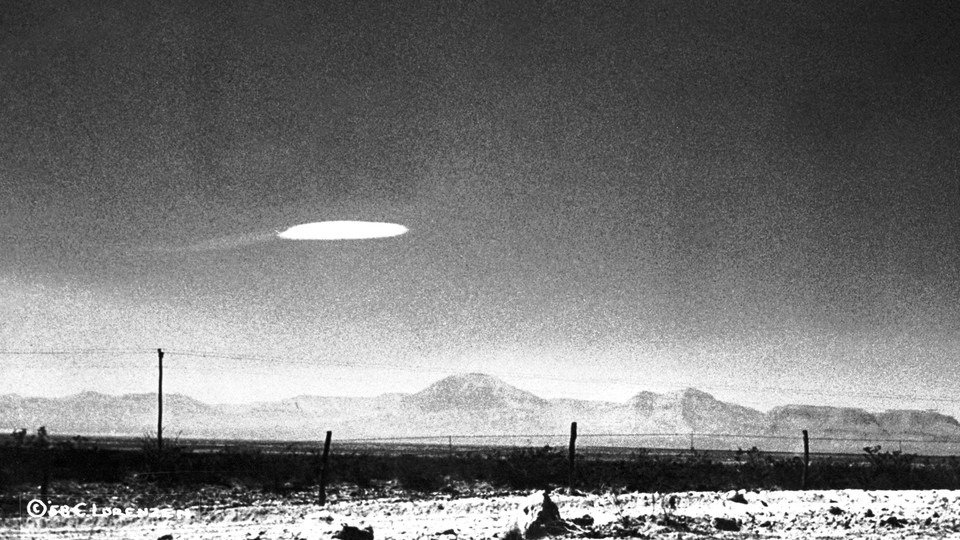
Dr. Janna Levin explains that astronomers are primarily searching for simple biological signatures — microbes, chemical markers, or atmospheric imbalances on distant planets that suggest life processes. Even discovering microbial evidence would be revolutionary.
What Would Truly Be Extraordinary?
Harvard physicist Avi Loeb says the real value of released files lies in identifying the small fraction of incidents that genuinely resist explanation under known physics.
Most cases, he argues, likely have mundane explanations — drones, atmospheric distortions, sensor errors, or foreign technology. But if even a handful of events show objects performing maneuvers beyond human engineering limits — extreme acceleration without propulsion, right-angle turns at hypersonic speeds, or silent hovering without lift — that would demand deeper investigation.
Loeb’s Galileo Project specifically searches for physical artifacts or measurable anomalies that cannot be explained by current human technology.
The Bigger Question
Scientists broadly agree on one thing: the universe is vast beyond comprehension. With billions of galaxies and potentially trillions of planets, the statistical probability of life elsewhere is high.
But probability does not equal proximity.
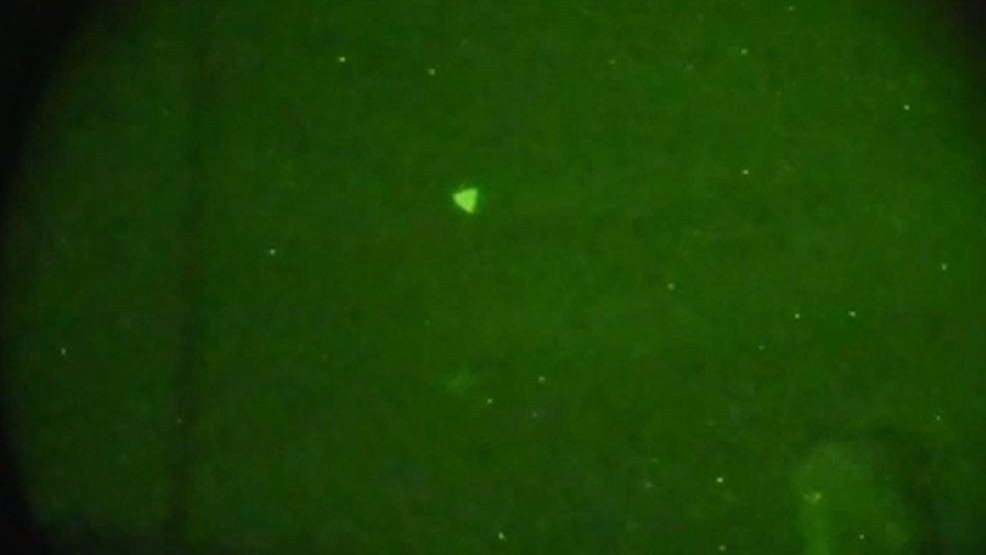
The upcoming file releases, if substantial and unredacted, may clarify confusion, debunk persistent myths, or highlight areas needing better data collection. What they are unlikely to reveal — according to most experts — is confirmed alien technology sitting in a government vault.
In science, skepticism is not denial. It is the method that separates imagination from measurable reality.
And when those documents open, scientists won’t be looking for cinematic proof.
They’ll be looking for data.
As anticipation builds around the potential release of government UFO and UAP files, interest in classified military technology, national security intelligence, aerospace defense systems, and advanced surveillance data continues to grow. Any newly declassified material could provide rare insight into how modern defense infrastructure tracks unidentified aerial phenomena and protects U.S. airspace.
For readers interested in space exploration research, advanced propulsion technology, artificial intelligence in defense systems, and next-generation aerospace engineering, these disclosures may offer valuable context about how governments analyze unexplained aerial events. Whether the outcome confirms mundane explanations or reveals previously undisclosed technical capabilities, transparency in high-level security and space-related investigations remains critical.
As more documents are examined by scientists and defense analysts, the focus will remain on data, physics, and measurable evidence — not speculation. Understanding how surveillance systems, radar technologies, and satellite tracking operate may ultimately be just as important as the mystery itself.
Leave a Reply