
Have you ever looked at an image with someone else and realized you both noticed completely different things first? That moment of surprise highlights something important: human perception is deeply personal. Our brains constantly filter what we see through habits, experiences, and instincts—often in a fraction of a second.
Visual illusions are especially interesting because they expose how quickly the mind tries to make sense of ambiguity. Before logic steps in, intuition takes the lead. That instant reaction doesn’t define your personality, but it can gently reflect how you tend to process information in everyday life.
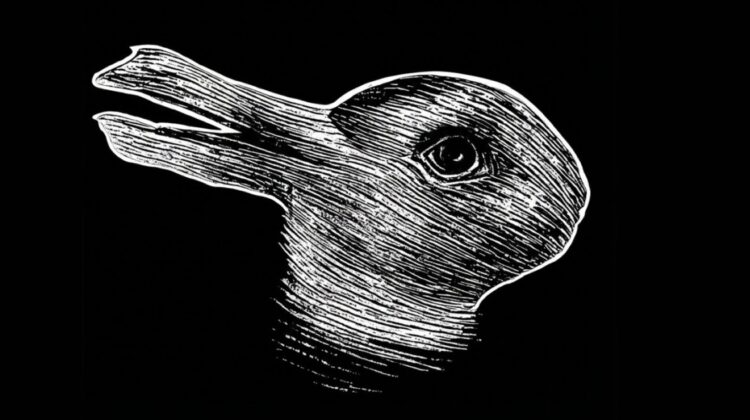
One of the most famous examples is the classic duck–rabbit illusion. The image never changes, yet people often feel certain they saw one animal first. Neither interpretation is wrong. What matters is where your attention naturally went—structure, emotion, imagination, or balance.
Below are common, non-scientific interpretations people enjoy associating with this illusion. Think of them as reflections, not labels.
If You Saw the Duck First 🦆
Traits often associated:
- Practical and grounded
- Calm and steady under pressure
- Logical and observant
- Focused on what’s real and immediate
- Comfortable adapting without overanalyzing
What this may suggest:
You tend to approach situations directly. You value clarity and prefer dealing with what’s in front of you rather than worrying about endless possibilities. People may rely on you when decisions need to be made quickly and rationally.
If You Saw the Rabbit First 🐰
Traits often associated:
- Imaginative and intuitive
- Emotionally aware
- Curious and creative
- Sensitive to mood and atmosphere
- Oriented toward possibilities and the future
What this may suggest:
You naturally look for meaning beneath the surface. Your mind enjoys stories, symbols, and ideas that aren’t immediately obvious. While this can lead to overthinking, it also allows you to notice details others may miss.
If You Saw Both Almost Instantly 🦆🐰
Traits often associated:
- Mentally adaptable
- Balanced between logic and emotion
- Open to multiple perspectives
- Emotionally intelligent
- Comfortable with complexity
What this may suggest:
You’re flexible in how you think. You can shift viewpoints quickly and understand different sides of an issue, which often makes you a good mediator, listener, or problem-solver.
If the Image Kept Switching Back and Forth
Traits often associated:
- Deeply introspective
- Curious about how the mind works
- Mentally agile
- Sometimes restless or easily bored
- Constantly questioning first impressions
What this may suggest:
Your mind doesn’t settle on easy answers—and that’s a strength. You like exploring ideas from multiple angles, even if that means living with uncertainty longer than most people.
The Real Takeaway
This illusion doesn’t define your personality.
It simply reflects how your mind chose to interpret ambiguity in that moment.
And the most accurate conclusion of all?
You’re allowed to be both the duck and the rabbit—depending on the situation, the mindset, and the choices you make next.
Visual perception, cognitive styles, and decision-making patterns continue to attract strong interest from readers exploring mental wellness, self-development, and cognitive psychology. Topics such as personality assessment tools, emotional intelligence training, mindfulness practices, stress management, and mental clarity techniques remain highly relevant across education, wellness, and professional development platforms.
Understanding how perception shapes behavior can support better communication, improved focus, and healthier decision-making in daily life.
Leave a Reply