

Losing a family member is one of the most emotionally overwhelming experiences in life. During the days surrounding a funeral, families are often forced to make fast decisions while still in shock — organizing belongings, clearing spaces, and deciding what stays and what goes.
But grief can cloud judgment. And some items, once discarded, can never truly be replaced. Certain belongings carry emotional meaning, personal history, and a quiet connection to the person who is no longer here.
Here are four things you should never throw away after a funeral, even if it feels easier in the moment.
1. Handwritten Notes, Letters, and Cards
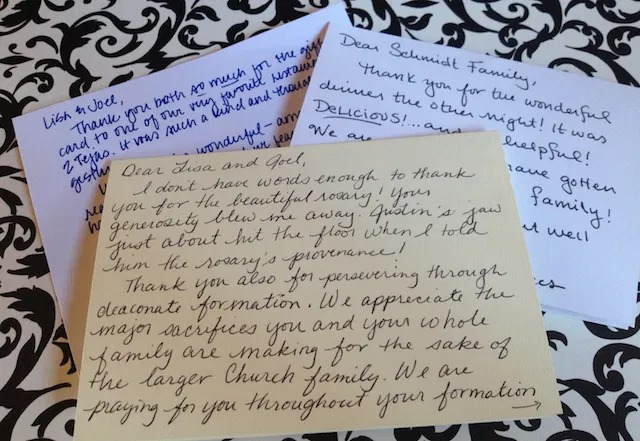
A handwritten message may seem small — a note on the fridge, a birthday card, a letter tucked in a drawer. But handwriting is deeply personal. It reflects how someone thought, expressed love, and communicated in their own unique way.
Over time, these notes often become sources of comfort. Many people later regret throwing them away during the early days of grief.
Keep them. One day, reading their words again may bring peace when memories feel distant.
2. Voice Messages, Voicemails, and Audio Recordings
In a digital world, voices are easily forgotten — until they’re gone.
A short voicemail saying “Call me when you can” or “I love you” may feel ordinary today. But after loss, it becomes incredibly meaningful. The tone, the pauses, the way they said your name — these are things photos cannot capture.
Save these recordings. Back them up securely. For many people, hearing a loved one’s voice again becomes a powerful source of comfort during difficult moments.

3. Personal Items That Clearly Belonged to Them
Every person has objects that feel unmistakably “theirs” — a favorite mug, an old sweater, reading glasses, a watch, or even a chair they always sat in.
These items aren’t valuable because of money. They matter because they were part of someone’s daily life. While it may feel painful to keep them at first, many families later find comfort in holding onto a few meaningful objects.
Some of these items eventually become treasured keepsakes or family heirlooms.
4. Old Family Photos — Especially the Unlabeled Ones
During emotional cleanups, families sometimes discard boxes of old photographs, especially when faces are unfamiliar. But these images often hold stories that haven’t been told yet — grandparents, great-grandparents, childhood moments, and forgotten connections.
Even if you don’t recognize everyone, don’t throw them away. Ask older relatives to help identify people and places. You may uncover family history that would otherwise be lost forever.
Final Thoughts
Grief often brings a strong urge to clean, organize, and “move forward.” While that instinct is natural, it’s important to slow down.
What feels like clutter today may become priceless tomorrow.
Funerals are not only about saying goodbye — they’re about honoring a life. And sometimes, the most meaningful way to do that is knowing what to keep, not what to let go.
Leave a Reply