
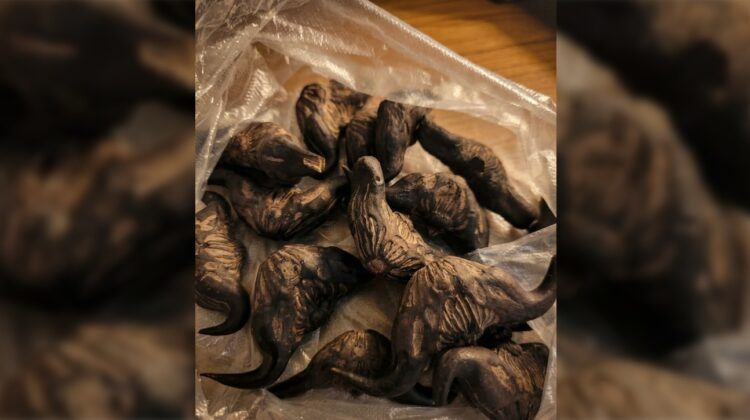
For thousands of years, wild forest roots have played a role in human survival. In times of famine or isolation, they were used as emergency food sources or traditional remedies passed down through generations.
However, in the modern world, eating a wild root simply because it is natural or historically used can be extremely dangerous — and in some cases, fatal.
Many toxic forest roots closely resemble edible ones such as yams, ginger, or cassava. Some contain powerful chemical defenses that cannot be neutralized safely, while others require exact preparation methods that leave no margin for error. Below are five unmistakable warning signs that mean a wild root should never be eaten.
1. It Causes Immediate Itching, Burning, or Numbness on Contact
The first danger sign often appears before ingestion.
If touching a raw wild root causes itching, burning, tingling, redness, or numbness on the skin, lips, or tongue, stop immediately and wash your hands.
Many forest roots contain calcium oxalate crystals or chemical irritants that penetrate the skin and mucous membranes. These substances can lead to:
- Severe mouth and throat irritation
- Swelling of the lips, tongue, or airway
- Difficulty swallowing or breathing
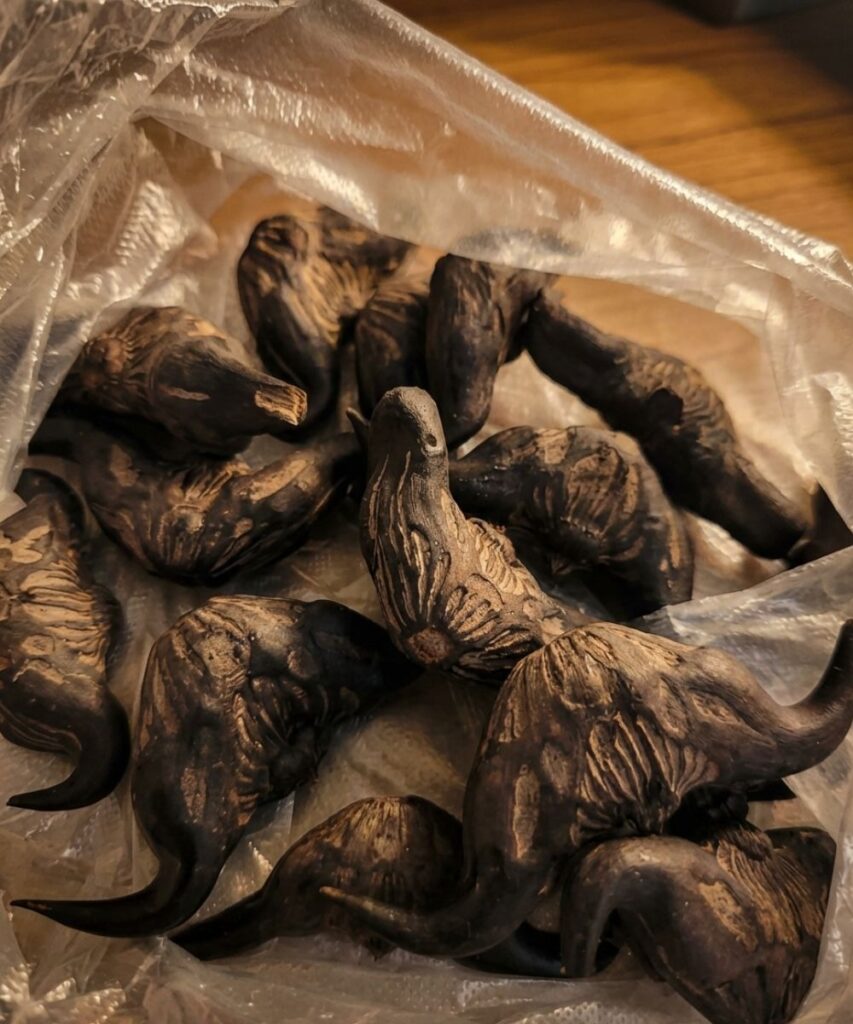
If it irritates your skin, the damage inside your digestive system can be far worse.
2. You Cannot Identify the Exact Species with Absolute Certainty
This is the most common cause of accidental poisoning.
Many edible and poisonous roots look almost identical. A minor difference in color, internal texture, leaf shape, or sap can mean the difference between nourishment and toxicity.
Traditional knowledge includes very specific details such as:
- Correct harvest season
- Soil and climate conditions
- Precise preparation techniques refined over generations
Without complete and verified identification, consuming a wild root is a serious gamble — one that has cost many people their lives.
3. It Requires Extreme or “Special” Detox Preparation
If you are told a root must be soaked for days, boiled repeatedly, discarded water multiple times, or treated with ash, lime, or salt to remove toxins, consider this a major red flag.
While some roots can be detoxified, even a small error — incorrect soaking time, improper slicing, or insufficient heat — can leave enough poison to cause:
- Severe vomiting and diarrhea
- Nerve damage
- Liver or kidney failure
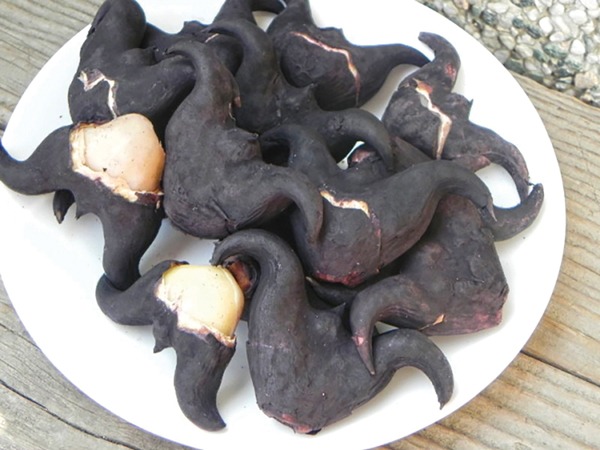
Hospitals frequently treat poisoning cases caused by preparation methods that were “almost correct.”
4. It Has an Extremely Bitter, Sharp, or Numbing Taste
Your body has natural defense mechanisms — and taste is one of them.
If a wild root tastes intensely bitter, causes tingling, numbness, or a sharp burning sensation on the tongue, stop immediately. These sensations often indicate the presence of:
- Alkaloids
- Cyanogenic glycosides
- Neurotoxic plant chemicals
- Natural animal deterrents
Cooking, fermenting, or masking the taste with spices does not make these compounds safe.
5. You Are in a High-Risk Health Group
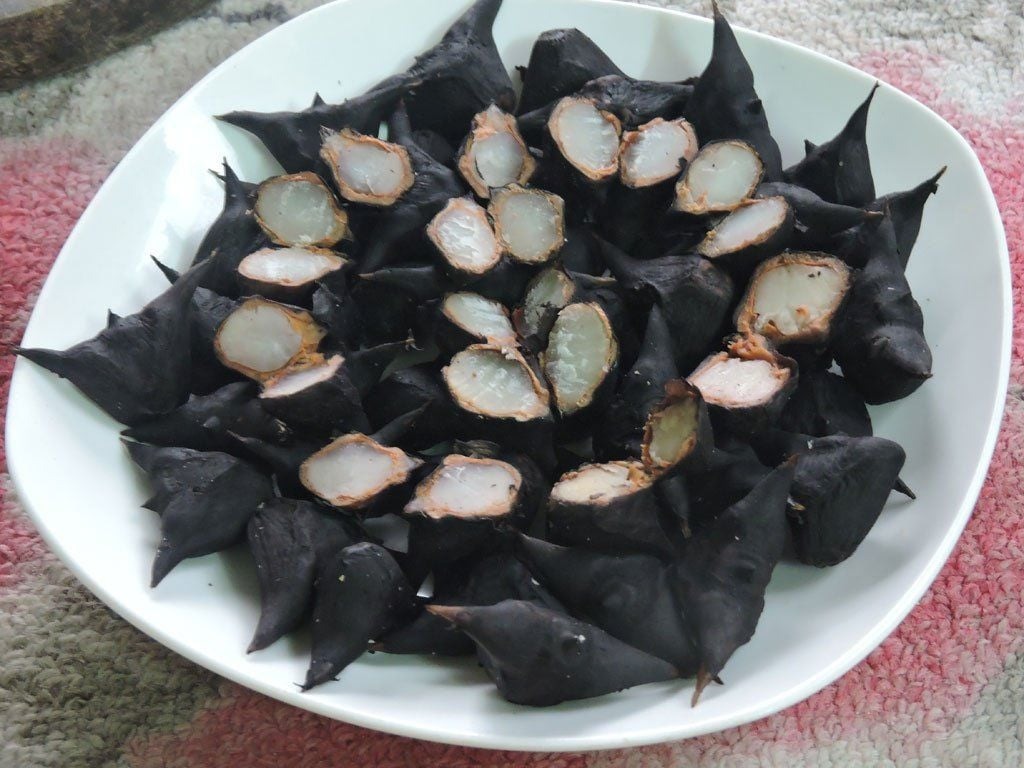
Even roots considered “traditionally safe” can be dangerous for certain individuals. You should never eat wild forest roots if you are:
- Pregnant or breastfeeding
- A child or elderly adult
- Living with liver, kidney, or digestive disease
- Taking long-term or prescription medications
Traditional remedies lack standardized dosage, purity, and safety testing. A quantity tolerated by one person may be severely toxic to another.
Final Thoughts: When in Doubt, Walk Away
Wild forest roots are part of human history — but so are countless cases of poisoning, permanent injury, and death caused by them.
“Natural” does not mean safe.
“Traditional” does not mean harmless.
If there is any uncertainty at all, the safest and smartest decision is simple: do not eat it.
No curiosity, survival experiment, or nostalgia is worth risking your health — or your life.
Leave a Reply