• Skip to main content
  • Skip to primary sidebar
  • Skip to footer
  • Home
  • About Us
  • Copyright Report
  • Submit Content
  • Terms
  • Privacy Policy
  • Legal Disclaimer

Hasan Jasim

Hasan Jasim is a place where you may get entertainment, viral videos, trending material, and breaking news. For a social generation, we are the largest community on the planet.

These Eerie Little Creatures Live Within Fish’s Mouths, Replacing Their Tongues

by Hasan Jasim Editorial Team

ShareTweet

This dreadful parasitic isopod lives in the mouths of fish, eating their blood and replacing their tongues.

While we’ve already featured some really terrifying aquatic species, such as the Atlantic wolffish and the sardonic fringehead, the tongue-eating louse may be the creepiest of them ever.
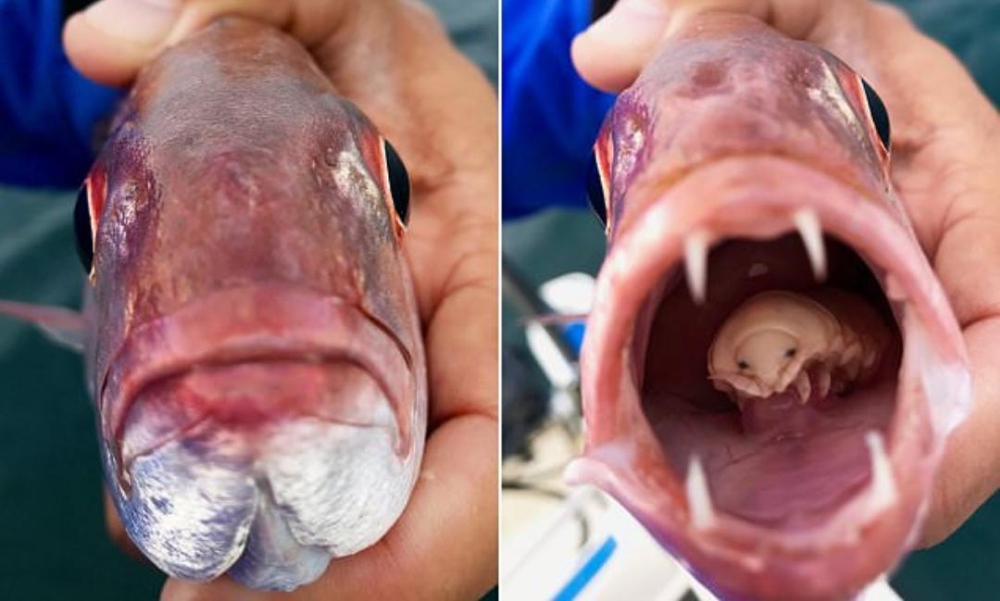
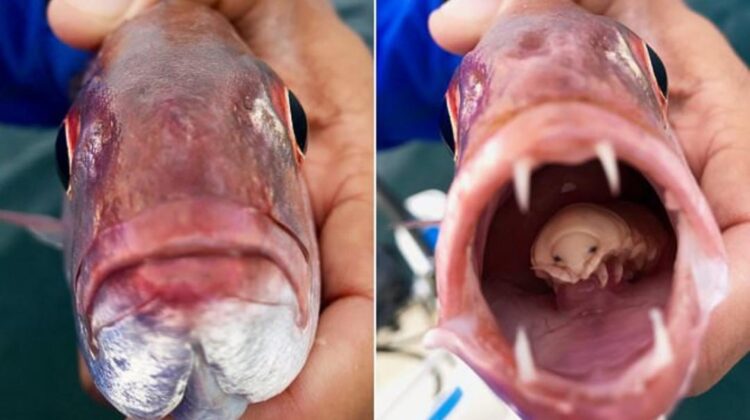
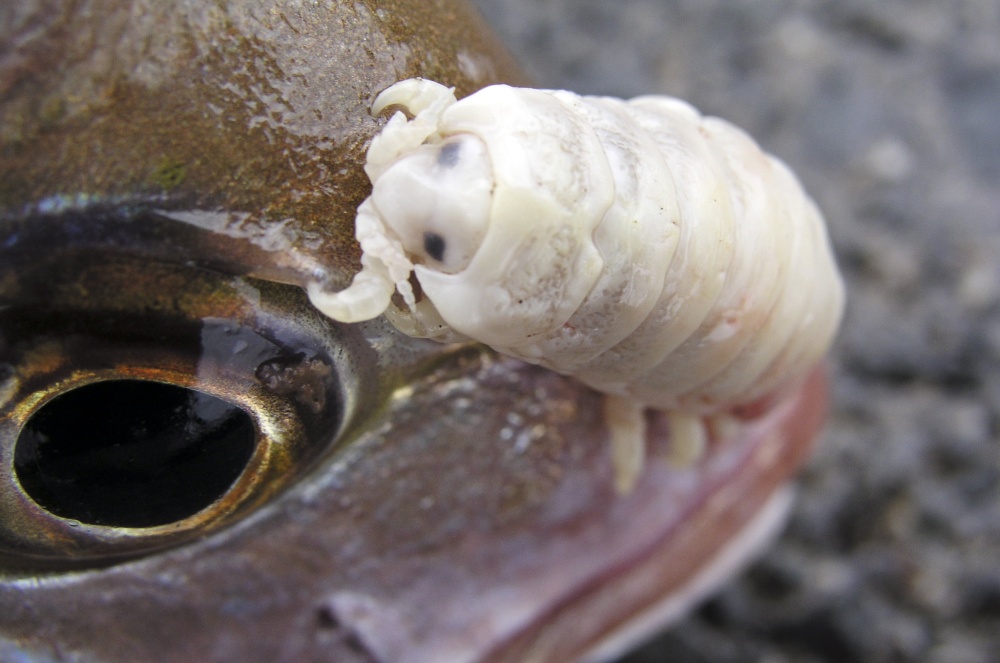
These isopods live in the mouths of fish rent free. Image source: MrMiracle27

The tongue-eating louse, Cymothoa exigua, is an isopod (a kind of animal that includes crabs and shrimp) that spends the most of its existence within the mouths of various fish. They have been known to replace the tongue with themselves. In fact, the tongue-eating louse is the only parasitic entity known to serve as a complete organ replacement in its host.
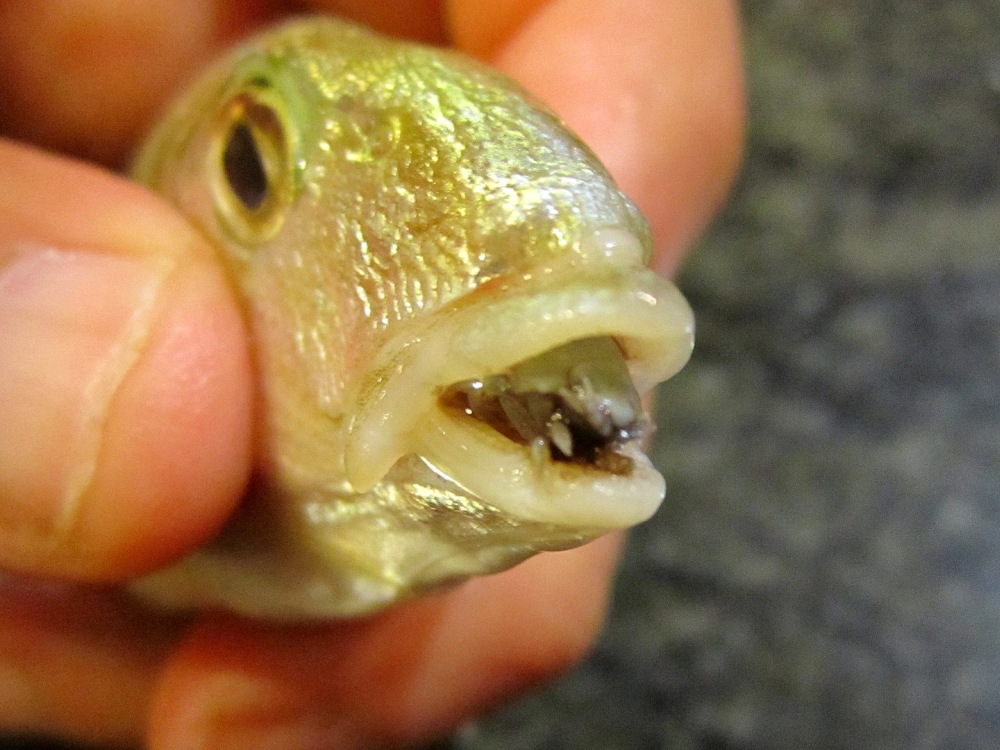
The Cymothoa exigua replaces the fish’s tongue with itself. Image credit: Marco Vinci

Male lice are generally only half the size of female lice, which can grow to be around an inch (2,5 cm) long. There’s a catch, though: every Cymothoa exigua starts off as a male, but after they’ve established themselves within a fish and completed their maturation process, they swap sexes and become a female. This only occurs if the slot isn’t currently occupied by a girl.

The parasitic trip of the tongue-eating louse begins when it enters the fish through its gills (this is actually how most fish parasites get into their hosts). The louse rises to the base of the tongue after successful penetration and prepares for a protracted stay within the fish. It secures itself in the fish’s mouth by clamping onto the tongue with its powerful legs. Now comes the ugly part: the parasite pierces the tongue, cutting off the blood flow to the tongue.

This causes the fish’s tongue to atrophy, eventually falling off and leaving the fish with only a stump. The louse then attaches itself to the fish’s injured organ and acts as a prosthetic tongue, sucking on mucus and blood.

Surprisingly, the parasite does not kill the fish since it is in the parasite’s best interests for the fish to live as long as possible. In fact, the fish may use the louse as a type of organic tongue prosthesis, capable of fulfilling all of the responsibilities and functions that a true tongue does — despite the fact that it’s fairly scary. So, despite the presence of a big isopod in the fish’s mouth, it may have a somewhat normal existence.
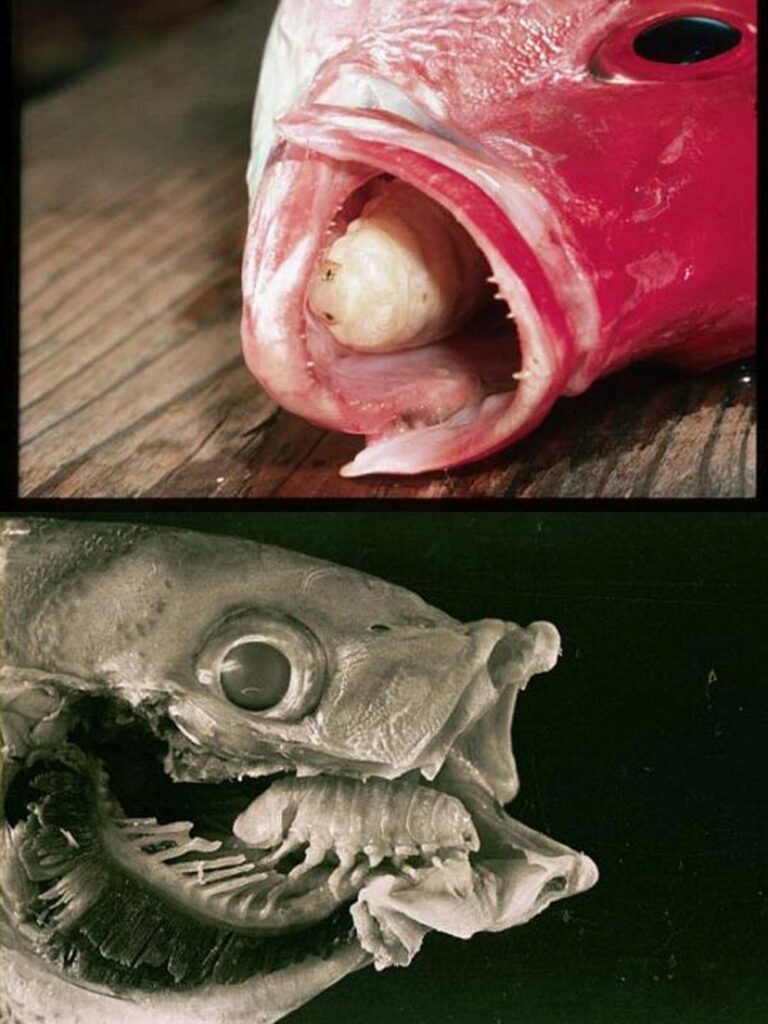
Interestingly, the fish can use the louse as a functioning tongue, and live a fairly normal life. Image credit: NOAA

And if it wasn’t scary enough, things become much stranger.

Remember how when young Cymothoas move in, they turn into females? In the event that a fish has already been caught, they will remain in the gills of the fish and mature into males. The male creeps into the female’s mouth and mates with her once the female and male have fully evolved into a fully formed louse. Yikes.

The female gives birth to a new generation of lice after a brief gestation time, continuing the nightmare cycle.
The life cycle of this louse is just as creepy as its habits. Image credit: Undy Bumgrope

After its host dies, nothing is known about the louse’s activities. It’s conceivable that it abandons life with the fish, but it’s also possible that it separates from it and seeks a new home. Although we know that snappers are the primary prey of the tongue-eating louse, it has also been found in other fish species.

If you’re wondering if these parasites are harmful to humans, we have some good news for you. Humans are not in any risk from the Cymothoa exigua, save that it may bite your finger if you try to touch it.

Sources: 1, 2

Filed Under: Trends Worldwide Tagged With: creatures, eerie, fish’s, little, live, mouths,, replacing, their, these, tongues, trends, within, worldwide

Primary Sidebar

More to See

Dog born without a paw adapts with custom prosthetics

By Hasan Jasim Editorial Team

Man’s Quest for Missing Chickens Uncovers Ancient Underground City Once Inhabited by 20,000 People”

By Hasan Jasim Editorial Team

Scientists Are Astounded By A Hybrid Fish’s Birth Of Two Species That Last Coexisted As An Ancestor In The Jurassic

By Hasan Jasim Editorial Team

Bears Are Often Spotted Admiring Beautiful Vistas, Suggesting They May Have a Sense of Beauty

By Hasan Jasim Editorial Team

Are 2 methylpentane and 3 methylpentane position isomers?

By Hasan Jasim Editorial Team

Father of two struck and killed by teenage driver moments after ushering baby ducks safely across the street

By Hasan Jasim Editorial Team

Branches of gleaming metallic metal “grow” to form elegant animal sculptures

By Hasan Jasim Editorial Team

Footer

ABOUT HASANJASIM.ONLINE

Hasanjasim.online is a digital platform dedicated to publishing well-researched articles about the animal kingdom, nature, and the environment. Our editorial team works to source stories from credible outlets, scientific research, and verified reports, aiming to inform as much as we entertain. From wildlife conservation and animal behavior to natural wonders and environmental science, we cover the topics that help readers better understand and appreciate the natural world. Whether you're a lifelong nature lover or simply curious about the planet we share, Hasanjasim.online aims to be a trustworthy destination for stories worth reading — and worth citing.

Recent

  • Euphorbia Hirta (“Asthma-Plant”): What Traditional Use and Real Research Actually Show
  • A Mystery Animal Has Been Randomly Attacking People in New Hampshire — Here’s What We Know
  • A Woman Was Filmed Sharing Her Ice Cream With Her Dog — Here’s What Vets Actually Say About It
  • Dolphin Calf Incident in Ceuta Sparks Outrage After Disturbing Beach Footage Emerges
  • Lactuca Serriola Root: Traditional Uses of Prickly Lettuce (Wild Lettuce) Root
  • The Puppy a Firefighter Couldn’t Leave Behind — and the Story Didn’t End There
  • A Mother Dog Dove Into Floodwater Again and Again — Until All 7 of Her Puppies Were Safe

Search