• Skip to main content
  • Skip to primary sidebar
  • Skip to footer
  • Home
  • About Us
  • Copyright Report
  • Submit Content
  • Terms
  • Privacy Policy
  • Legal Disclaimer

Hasan Jasim

Hasan Jasim is a place where you may get entertainment, viral videos, trending material, and breaking news. For a social generation, we are the largest community on the planet.

Ad example

The Domestication of Bananas: How Wild Fruits Became the Seedless Bananas We Eat Today

by Stephen King Leave a Comment

Facebook287TweetPinLinkedInShares287

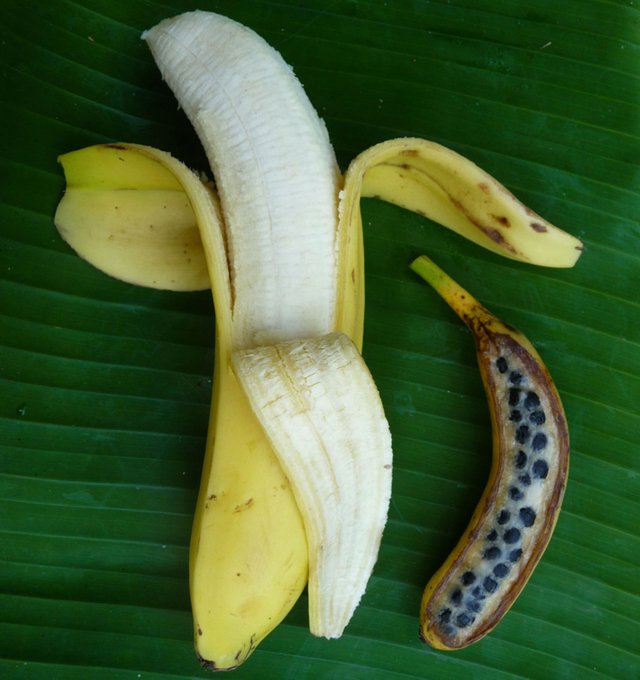
Bananas are one of the world’s most popular fruits, but few people realize that the bananas we eat today are vastly different from their wild ancestors. The domestication of the banana transformed it from a fruit full of hard seeds into the soft, seedless variety found in grocery stores worldwide. This process, which began over 7,000 years ago, played a crucial role in agriculture and trade, shaping economies and food cultures across the globe.

The Origins of Banana Domestication

The domestication of bananas traces back to the humid tropical regions stretching from India to the Solomon Islands. The earliest archaeological evidence of cultivated bananas was discovered in Papua New Guinea, dating back at least 7,000 years.

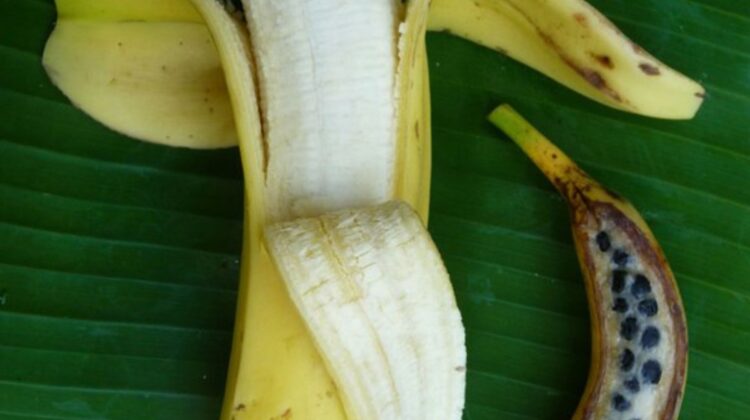
Bananas belong to the Musa genus, with two wild species—Musa acuminata and Musa balbisiana—playing a key role in the development of modern banana varieties. These wild bananas contained large, hard seeds and were not as palatable as today’s varieties. However, through selective cultivation, early farmers began propagating plants that produced fruit with fewer seeds and more edible pulp.

How Bananas Became Seedless

One of the most significant developments in banana domestication was the emergence of parthenocarpy, a trait that allows fruit to develop without fertilization. The genes responsible for this trait were found in Musa acuminata. Over time, farmers selectively propagated plants that naturally exhibited parthenocarpy, leading to the development of seedless bananas.

Initially, domesticated bananas were diploid (having two sets of chromosomes), meaning they could still reproduce. However, through natural hybridization, triploid bananas (with three sets of chromosomes) emerged. These triploid varieties—classified into genome groups AAA, AAB, and ABB—became the dominant cultivars because they were sterile and consistently produced seedless fruit.

The Role of Farmers in Banana Evolution

Early farmers played a crucial role in shaping banana diversity. By selectively replanting offshoots from plants with desirable traits, they encouraged the spread of seedless, more palatable bananas. This form of propagation, however, resulted in limited genetic diversity since bananas reproduce asexually through cloning.

New cultivars occasionally arose through somatic mutations—natural genetic variations in the lateral buds of the banana rhizome. While these mutations created some diversity, they did not significantly expand the genetic pool of domesticated bananas.

The Global Spread of Bananas

As bananas became more widely cultivated, they spread beyond their original regions. In Africa, bananas underwent a secondary diversification process, leading to the development of major groups such as plantains and East African highland bananas. These varieties became staples in African diets and economies.

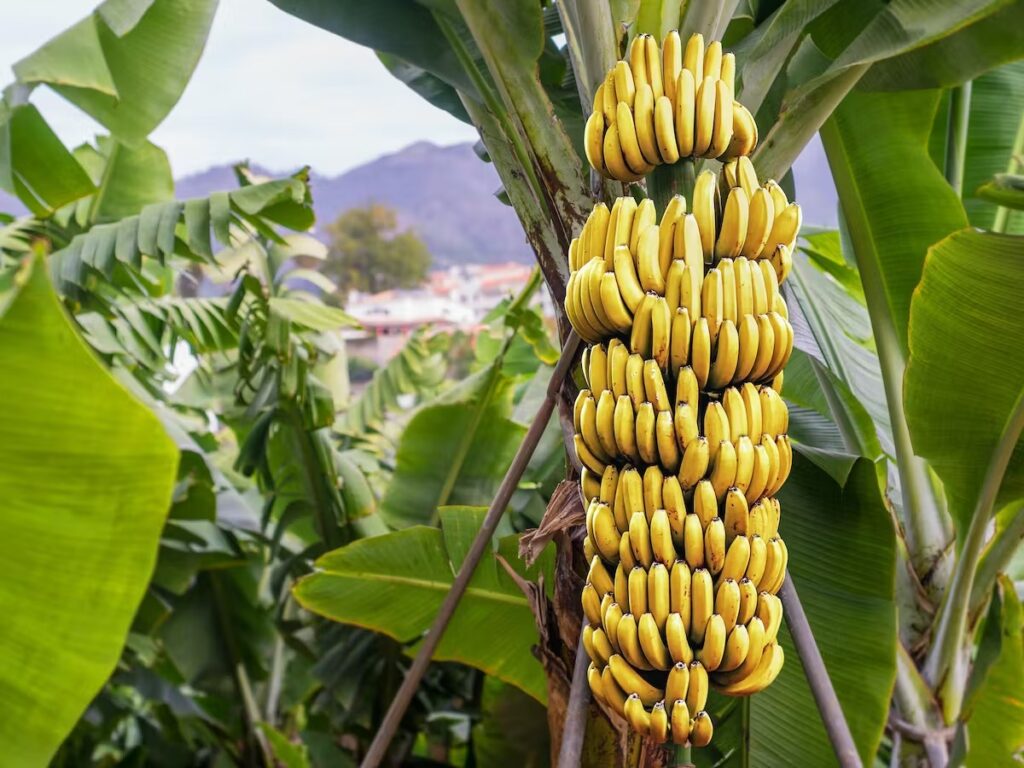
Bananas eventually reached the Middle East and Europe through trade routes, and later, European colonists introduced them to the Americas. Today, bananas are one of the most important global crops, with major production centers in Latin America, Southeast Asia, and Africa.

The Future of Banana Cultivation

Despite their success, modern bananas face significant challenges. Since commercial bananas, like the widely consumed Cavendish variety, are genetically identical clones, they are highly susceptible to diseases such as Panama disease and Black Sigatoka. Scientists and farmers are now exploring genetic modification and selective breeding to develop disease-resistant banana varieties that maintain the seedless trait while improving resilience.

The domestication of bananas is a remarkable example of how humans have shaped agriculture to meet their needs. What began as a small, seeded fruit in the wild has transformed into a globally consumed, seedless fruit through thousands of years of selective breeding. As we move forward, continued innovation in banana cultivation will be crucial to ensuring the fruit’s long-term sustainability in the face of environmental and disease-related threats.

Facebook Comments Box
Facebook287TweetPinLinkedInShares287

Filed Under: Trends Worldwide Tagged With: =buy dates online, agriculture, banana domestication, buy dates online, dates, dates for diabetes, dates for energy, dates for gut health, dates for hair, dates for heart health, dates for skin, dates for weight loss, Dates Nutrition, dates recipes, Genetics, Health Benefits of Dates, Healthy Snacks, Heart Health, High-Fiber Foods, Natural Antioxidants, Natural Sugar Alternatives, nutritional value of dates, seedless fruit

Reader Interactions

Leave a Reply Cancel reply

Your email address will not be published. Required fields are marked *

Primary Sidebar

More to See

Montana rancher gets 6 months in prison for creating hybrid sheep for captive hunting

By Stephen King

The true, chilling story behind the famous 9/11 photo of a doomed fire truck heading toward the Twin Towers

By Stephen King

Scientists Drilled So Deep Into the Center of the Earth, They Knocked on the Mantle’s Door

By Stephen King

Tourist Leaps into 18-Foot Pit, Damages 2,000-Year-Old Statues Before Being Apprehended

By Stephen King

Three Chinese Tourists Face 2 Years In Jail After Taking Selfies With Protected starfish

By Stephen King

The Moon is Drifting Away from Earth: What It Means for the Future

By Stephen King

Best Friends for Puppies Every time They see one Other, They Greet Each Other with a Hug

By Stephen King

Footer

Home and Garden: Timeless Beauty and Smart Investment

Your home and garden reflect your personality and values, offering both emotional and financial worth. A well-maintained space enhances your life and withstands market changes.

Hasan Jasim emphasizes the lasting value of homes and gardens, from beautiful gardens that boost curb appeal to interiors that create sanctuary. These spaces are more than assets—they are legacies.

Incorporating health-boosting elements like dates, known for their energy, heart health, and gut benefits, supports your well-being. Whether for diabetes, weight loss, or skin health, dates are a smart, natural choice.

By prioritizing quality materials and timeless design, your home and garden remain valuable investments for years to come.

Recent

  • Lion Husband Stays By His Sick Wife’s Side Until The Very End
  • What Is It and Why Is It Called “Nature’s Most Terrifying Things”?
  • The Plant You See in the Picture Is One of the Most Miraculous Plants in the World
  • Army dog was separated from his owner – 3 years later, the best friends finally meet again
  • He thinks it’s just a rock, but when he approaches he discovers a frostbit animal
  • Lost dog found 2,000 miles away after five years
  • A couple took this mirror portrait 100 years ago in Japan

Search

Contact us

Hasan Jasim LLC is proudly based in the United States, delivering professional and reliable services. You can reach us by phone at +1 (914) 575-5957 or visit our office at 1234 Block Blvd., San Francisco, CA 94120. We are always here to assist you with any inquiries and provide the support you need promptly and efficiently.

Copyright © 2025 · Magazine Pro on Genesis Framework · WordPress · Log in