
Few films in cinema history have left an impact as deep and lasting as Jaws (1975). Decades later, it continues to terrify swimmers, inspire filmmakers, and dominate conversations about suspense-driven storytelling. Often ranked among the greatest thrillers ever made, Jaws is also packed with lesser-known production mishaps, behind-the-scenes drama, and fascinating filmmaking decisions.
What many fans still don’t know is that a deleted scene exists—one so disturbing that it may have surpassed the terror of the shark itself.
A Film That Changed Cinema Forever
For audiences in 1975, watching Jaws wasn’t just entertainment—it was an experience. Many children needed parental permission just to see it, and even then, courage was required. Today, the film stands as a reminder of an era when movies were driven by story, casting precision, emotional weight, and artistic intent, rather than algorithms or franchise formulas.
Steven Spielberg’s early masterpiece laid the foundation for a career built on unforgettable cinema. Even its imperfections—continuity errors, mechanical failures, and improvised moments—only strengthened its legendary status.
The Truth Behind “You’re Gonna Need a Bigger Boat”
One of the most iconic lines in film history almost failed to land.
When Chief Brody (Roy Scheider) first encounters the shark while chumming the water, audiences during early test screenings were screaming so loudly that they missed the line entirely. Spielberg responded by extending the shot and raising Scheider’s vocal volume in post-production.
According to screenwriter Carl Gottlieb, the line itself was improvised by Roy Scheider, adding yet another layer of authenticity to the moment.
John Williams and the Sound That Changed Suspense
John Williams’ two-note score is now inseparable from Jaws. Yet when Williams first played the theme, Spielberg laughed—thinking it was a joke.
Later, Spielberg admitted that without Williams’ music, Jaws would have been half the film it became. The score redefined cinematic tension and launched one of the most influential composer-director partnerships in film history.
Spielberg Rooted for the Shark
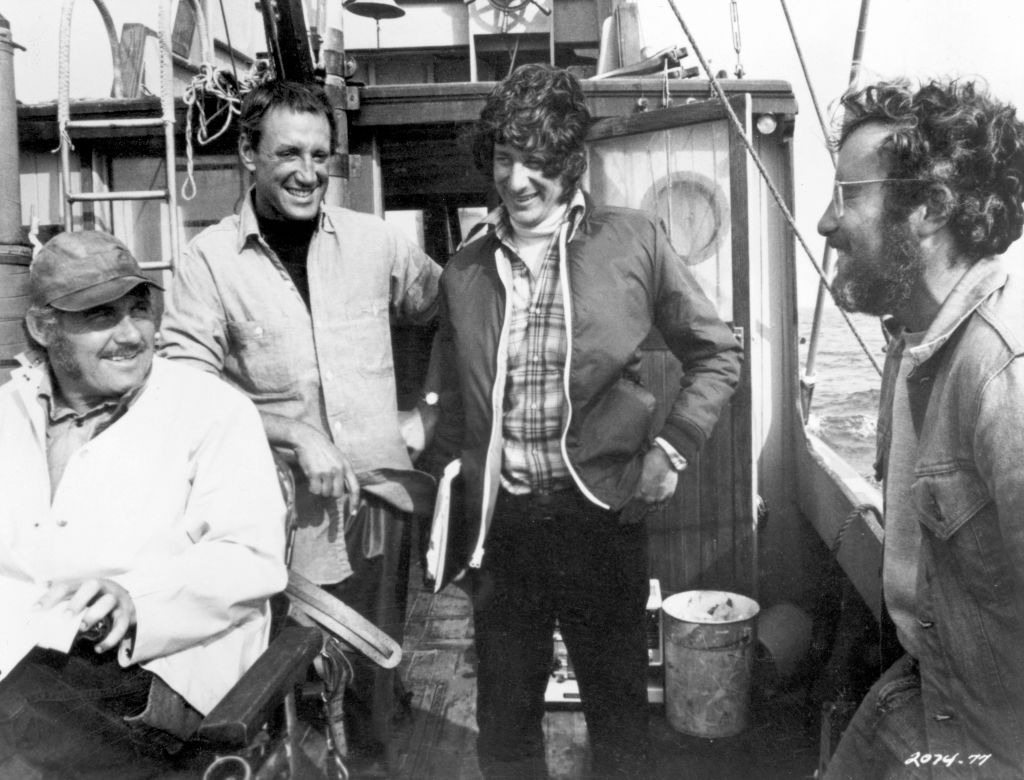
Based on Peter Benchley’s 1974 novel, Jaws was acquired before the book was even published. Producers Richard D. Zanuck and David Brown bought the film rights for $175,000 after spotting a short description in Cosmopolitan magazine.
Ironically, Spielberg later confessed that when reading the novel, he found the human characters so unlikeable that he was rooting for the shark.
Mechanical Failure, Massive Success
The first screening of Jaws took place in Dallas. Zanuck and Brown feared audiences would laugh at the malfunctioning mechanical shark.
Instead, the theater erupted in screams—and never stopped.
Across all releases, Jaws has earned $476.5 million worldwide, becoming a case study in film investment returns and long-term intellectual property value.
Robert Shaw and the Oscar Debate
Many believe Robert Shaw deserved an Academy Award for his portrayal of Quint. His performance—especially the USS Indianapolis monologue—is regarded as one of the most haunting moments in cinema history.
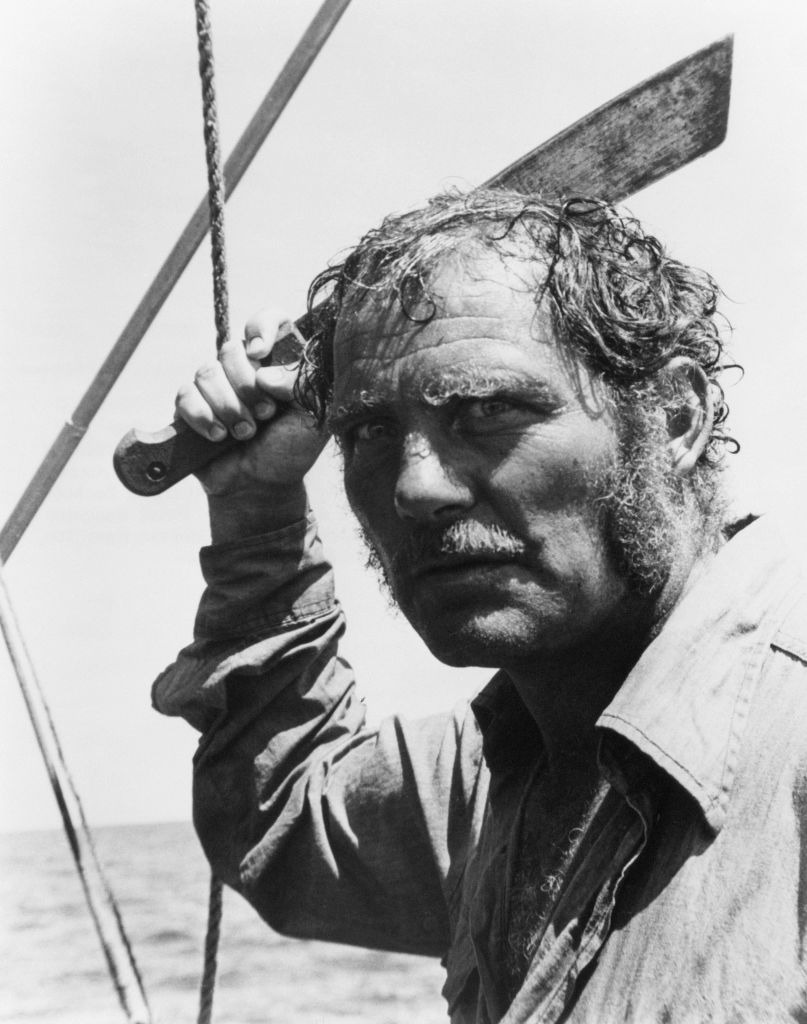
Who Wrote the USS Indianapolis Speech?
The speech went through multiple versions:
- Howard Sackler conceived it
- John Milius expanded it
- Robert Shaw refined and performed it
According to Carl Gottlieb, Shaw rewrote the final version himself and delivered it flawlessly—after first attempting it while drunk, a take that was completely unusable.
The following day, sober, Shaw delivered the speech in one take.
On-Set Conflict and Personal Struggles
Shaw’s alcoholism fueled intense tension on set, particularly with Richard Dreyfuss. Incidents escalated from verbal taunts to physical stunts, including fire-hose spraying and dangerous dares.
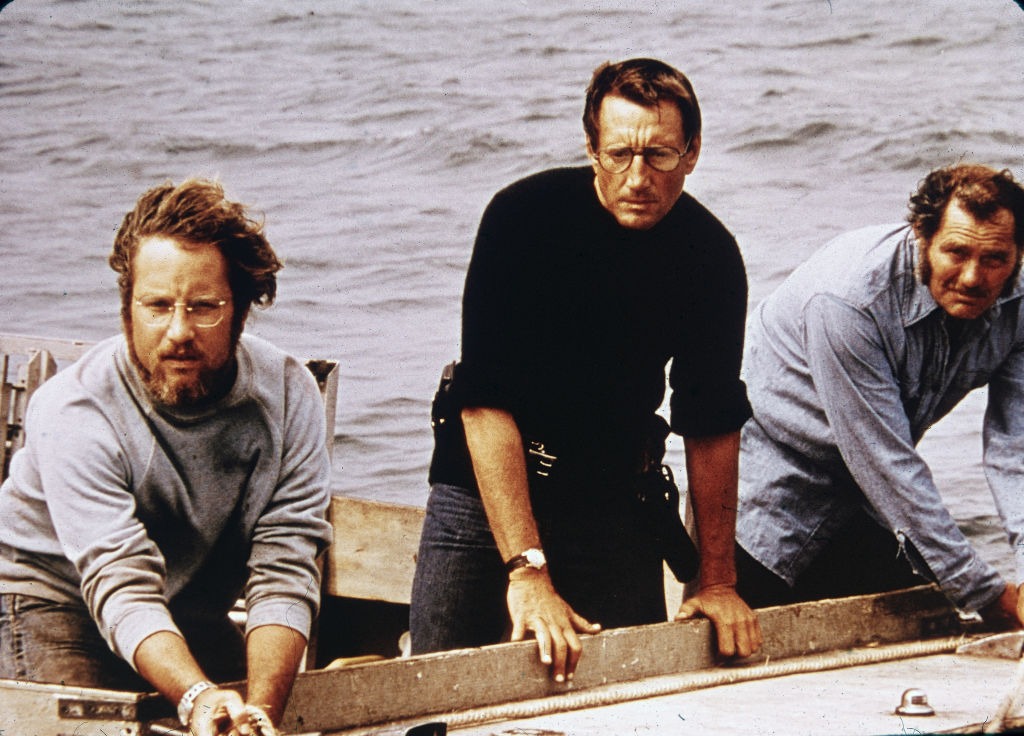
Despite the conflict, the on-screen chemistry remains unforgettable.
The Tragic End of Robert Shaw
Robert Shaw died in 1978 at just 51 years old from a heart attack in Ireland. Roy Scheider passed away in 2011 after battling cancer.
The Alex Kintner Scene: The Deleted Horror
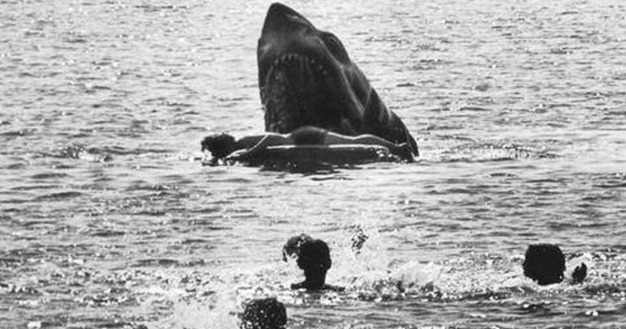
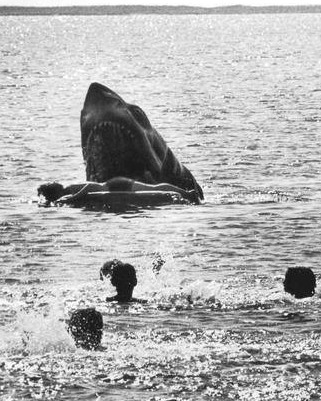
The death of Alex Kintner remains one of the film’s most disturbing moments. Originally, Spielberg planned to show the shark fully surfacing and devouring Alex—using a floating doll.
Due to repeated mechanical failures and concerns over maintaining a PG rating, the scene was trimmed. Editor Verna Fields removed the most graphic footage, leaving only a brief glimpse of the shark’s fins.
Partial footage survives only in Blu-ray documentaries.
Orca Boat Errors and Visual Goofs
Sharp-eyed viewers have spotted:
- Changing barrel counts
- The word “ORCA” shifting from rusty to shiny
- A disappearing machete
- A cherry tree blooming in July (instead of May)
These continuity errors have become part of the film’s enduring charm.
Why Jaws Still Matters Today
Beyond entertainment, Jaws remains a masterclass in:
- Narrative restraint
- Psychological suspense
- Film production under constraint
- Long-term media monetization
It proves that less visibility can create more fear, and that storytelling—not spectacle—creates legacy.
Leave a Reply