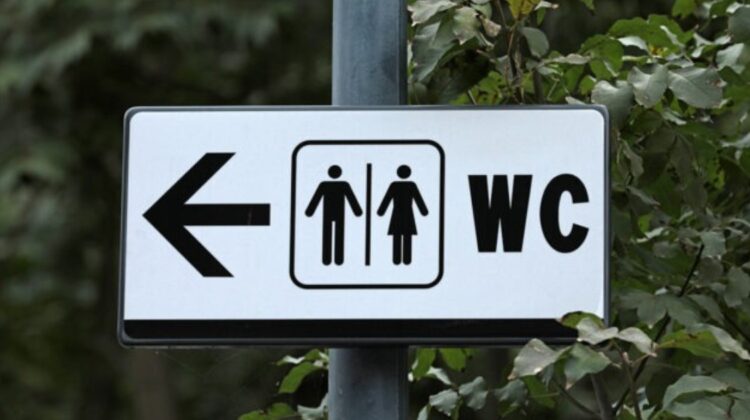
In airports, train stations, hotels, and restaurants across the world, two simple letters appear on doors with quiet authority: WC.
For many travelers, the abbreviation sparks a fleeting moment of curiosity. What exactly does it mean? And why does a space designed for one of life’s most basic human needs carry so many different names?
Behind the letters lies a story not just of plumbing — but of language, culture, privacy, and social etiquette.
The Mystery of the “Washroom” and the Language of Euphemism
In 2020, a lighthearted TikTok video by a couple named Shelby and Dylan reignited a long-running linguistic debate. Walking past a sign labeled “washroom,” Dylan joked, “What in the world is a washroom? And what are they washing in there?” He added that the only thing he washes there is his hands — while his wife humorously questioned whether anyone truly “rests” in a restroom.
The exchange struck a chord online.
Commenters quickly weighed in, debating regional preferences: bathroom, restroom, washroom, toilet. One traveler recalled asking for the “washroom” at Disneyland and being mistakenly directed to a laundromat. Another teased, “Wait ’til he finds out about water closets.”
The humor reveals something deeper: around the world, the room containing a toilet carries layers of social sensitivity. Language softens what society has long considered impolite to name directly.
Water Closet: The Origin of “WC”
According to Merriam-Webster, water closet refers to “a compartment or room with a toilet” or “a toilet bowl and its accessories.”
The term dates back to the late 19th century, when indoor plumbing began transforming Western homes. Before that time, toilets were typically located outdoors in outhouses. Wealthier households sometimes had indoor bathing rooms — but these “bathrooms” did not necessarily include a toilet.
By the 1890s, as plumbing technology advanced, the water closet emerged: a small, separate room housing a flush toilet. It was often distinct from bathing spaces, designed to isolate odors and preserve hygiene.
Only in the early 20th century did architects begin combining bathtubs, sinks, and toilets into one integrated room — the modern bathroom.
Yet the term “WC” endured.
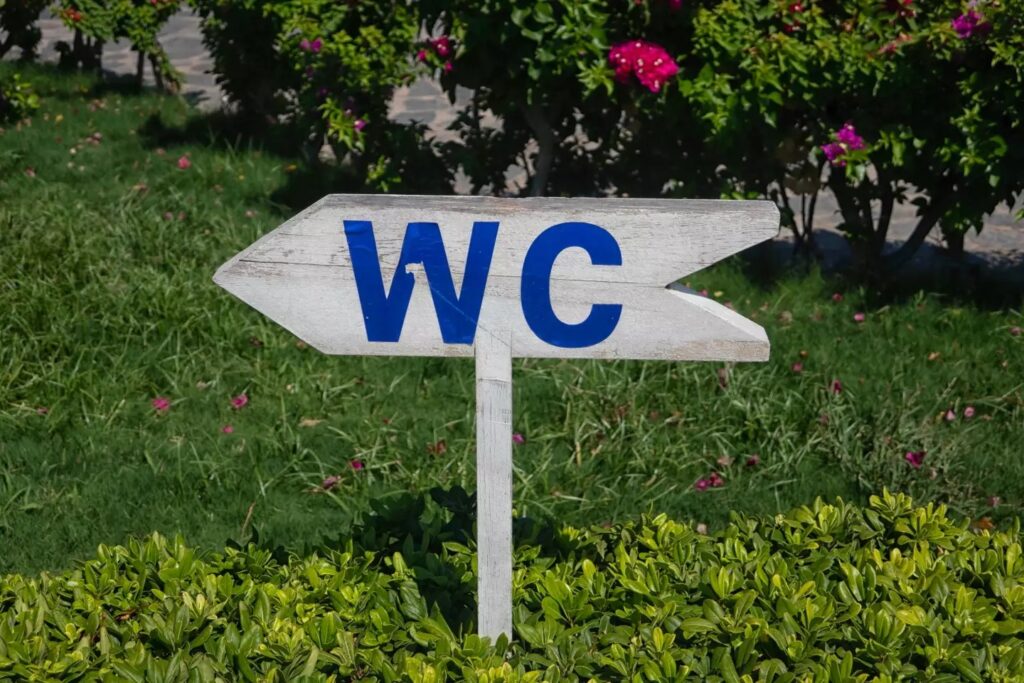
Over time, it evolved to describe a compact, enclosed toilet space, sometimes built within a larger bathroom for added privacy. In many countries, particularly across Europe and parts of Asia, “WC” remains the standard public signifier.
Why So Many Names?
The variety of terms reflects cultural differences — and linguistic creativity.
- Bathroom (United States): Originally referred to a room for bathing, even if no bathtub is present.
- Restroom (United States): A polite euphemism suggesting refreshment rather than bodily function.
- Washroom (Canada and parts of the U.S. Midwest): Emphasizes cleanliness.
- Lavatory: Derived from the Latin lavare, meaning “to wash.”
- Loo (United Kingdom): Informal, with debated etymology.
- Toilet: Direct, though sometimes considered less formal in American English.
- WC: International shorthand rooted in architectural history.
Online discussions reflect the confusion and humor surrounding these terms. One Reddit user asked, “Why is a public WC called a bathroom if there is no bath?” Another countered, “Why call it a water closet if it isn’t even a closet?”
Globally, the diversity continues. In Russian, the restroom is colloquially described as “a room without windows” — even when windows exist. In Esperanto, it is called necesejo, meaning “necessary place.”
Each name reveals something about cultural comfort levels with directness — and with privacy.
The Rise of the Universal Symbol
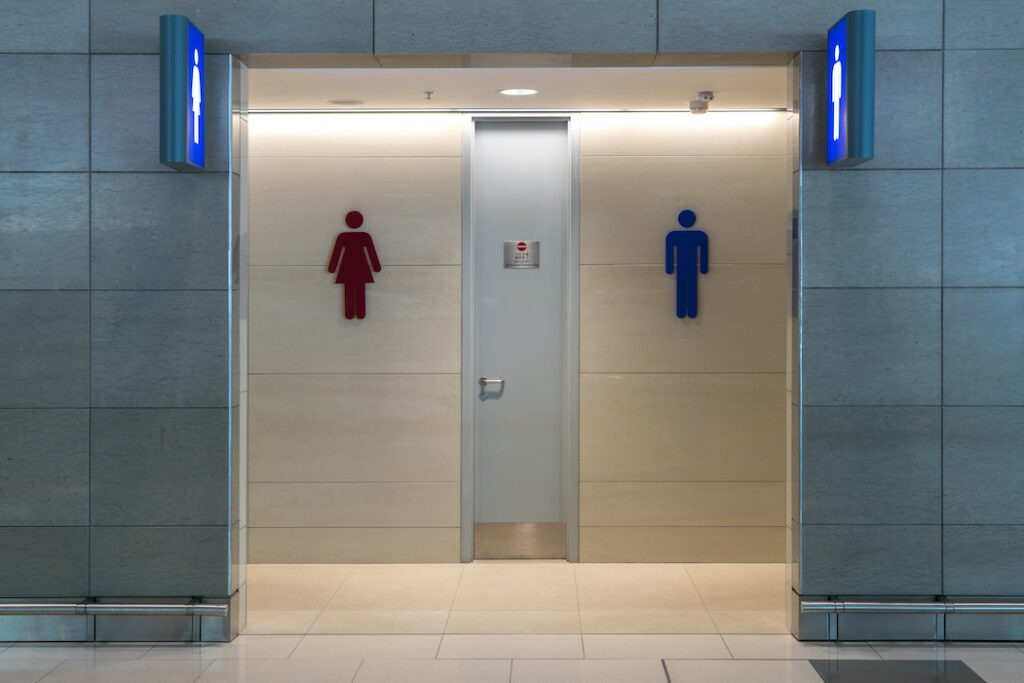
Today, the letters “WC” frequently appear in international spaces such as airports, hotels, and tourist destinations. The abbreviation functions as a neutral, widely recognized label that transcends language barriers.
In global travel hubs, simplicity matters. Two letters become a universal code for one of humanity’s most essential spaces.
Ironically, in an age of advanced plumbing and sleek architectural design, the terminology remains rooted in 19th-century innovation.
A Reflection of Social Norms
The evolution from outhouse to water closet to modern bathroom mirrors broader societal shifts: urbanization, sanitation reform, public health awareness, and changing standards of privacy.
What once was a luxury for the wealthy is now a global expectation of modern infrastructure.
Yet even today, the words we choose — bathroom, restroom, washroom, WC — reveal how language continues to soften and shape everyday realities.
The humble “WC” sign represents more than a place of convenience. It reflects the intersection of architecture, sanitation history, cultural etiquette, and linguistic evolution. As cities grew and indoor plumbing reshaped daily life, societies adapted not only their buildings but their vocabulary. Whether labeled bathroom, washroom, restroom, lavatory, loo, or water closet, the space serves the same essential function — a reminder that even the most ordinary aspects of human life carry surprisingly rich stories beneath their surface.
Leave a Reply