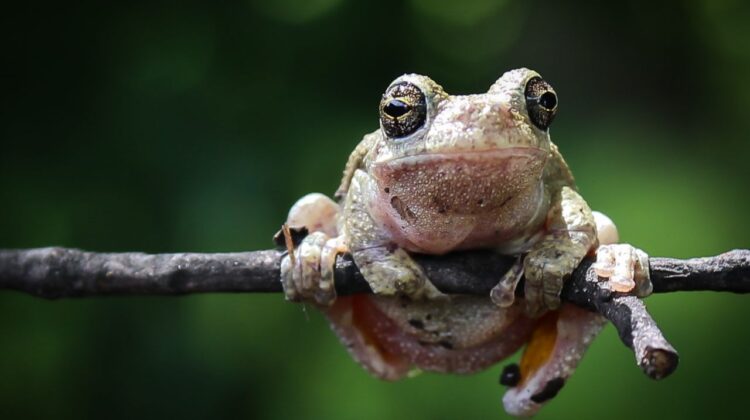
Discovering a toad inside your home—or lingering near your doorway—can be surprising, even unsettling. For some, it’s a fleeting curiosity. For others, it triggers an instinctive sense that the encounter might carry deeper meaning. Across history, such moments have been interpreted through two parallel lenses: scientific reality and symbolic tradition.
Understanding why a toad appears begins with nature—but doesn’t necessarily end there.
The Natural Explanation: Why Toads Are Drawn to Homes
Toads are amphibians, and moisture is essential to their survival. They thrive in cool, shaded environments where food is easy to find. Gardens, potted plants, damp basements, standing water, and outdoor lighting that attracts insects can unintentionally turn a home into an ideal habitat.
Their presence becomes more common during rainy seasons or periods of high humidity. At these times, toads venture out from their usual hiding places to hunt insects such as mosquitoes, beetles, and crickets. Small gaps under doors, cracks in walls, or poorly sealed entrances are often enough for them to slip indoors.
Importantly, toads are non-aggressive and harmless. They do not seek human contact and pose no threat. Their appearance is guided by instinct, not intention.
Cultural and Symbolic Meanings Across Traditions
Beyond biology, toads have held symbolic weight across civilizations for centuries.
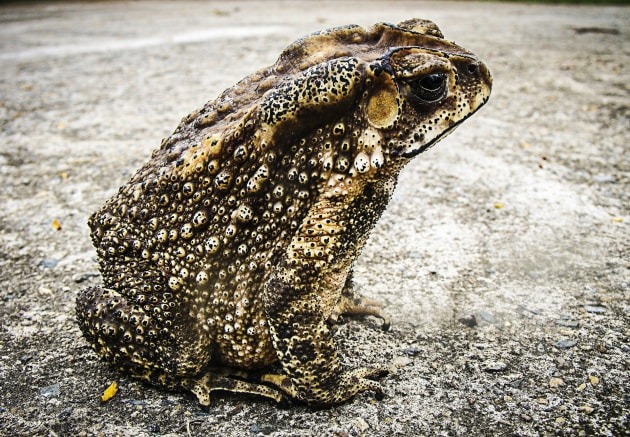
In Eastern traditions, particularly Feng Shui, the toad is closely associated with wealth and prosperity. The well-known “money toad,” often depicted holding a coin, symbolizes financial abundance and opportunity. From this perspective, a toad near the home can be interpreted as a favorable sign linked to material growth.
In Latin American and Indigenous belief systems, the symbolism shifts toward transformation. Because toads undergo a dramatic metamorphosis—from tadpole to adult—they are seen as powerful symbols of personal change, renewal, and evolution. Their appearance may coincide with emotional shifts, life transitions, or the closing of old chapters.
Some spiritual traditions view toads as energy balancers. According to these beliefs, toads absorb stagnant or heavy energy within a space. Their presence may suggest the need for cleansing—both physically and emotionally—or a reminder to restore harmony in one’s environment.
Dispelling the Myth of Bad Omens
Historically, toads were sometimes linked to misfortune or dark rituals, largely due to fear and misunderstanding. In reality, many ancient cultures viewed them positively.
- Ancient Egyptians associated toads with fertility and rebirth.
- Celtic traditions saw them as guardians of the land and symbols of renewal.
- In various mythologies, toads were protectors rather than threats.
Far from being bad omens, they were often seen as quiet symbols of life’s cycles and resilience.
When Toads Appear Repeatedly
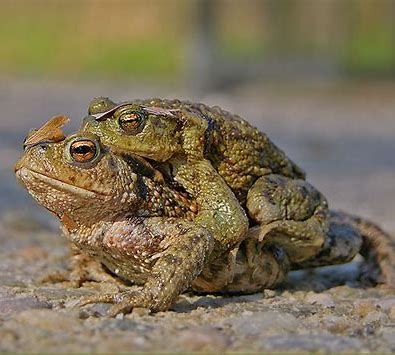
If toads are showing up frequently, the explanation is usually environmental. Excess moisture, dense vegetation, or insect abundance are common factors. Those who prefer to discourage visits can reduce humidity, remove standing water, and seal entry points.
However, it’s worth noting that toads are beneficial. They naturally control insect populations and play a vital role in ecological balance.
From an environmental standpoint, the presence of toads often signals a healthy ecosystem. Their decline, on the other hand, is commonly associated with pollution and environmental degradation.
Final Perspective
Encountering a toad in your home is not a cause for fear. More often than not, it reflects nature following its course. Yet for those open to symbolic interpretation, it may also serve as a quiet reminder—of change, balance, and adaptation.
Whether viewed through science or symbolism, the toad stands as a subtle messenger. It invites awareness of our surroundings, respect for the natural world, and attentiveness to the transformations unfolding around—and within—us.
Leave a Reply