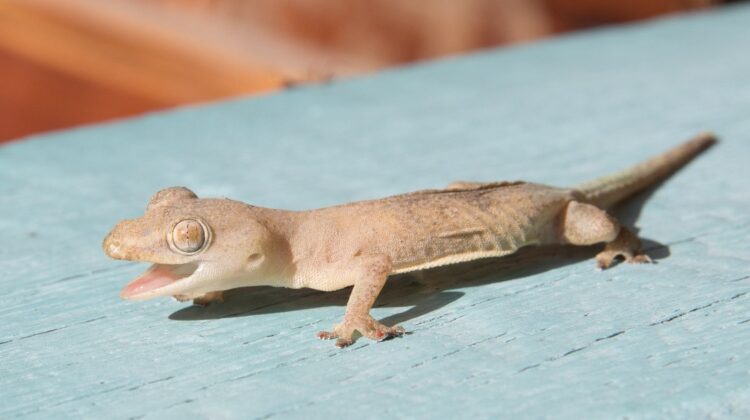
Across civilizations and centuries, humans have looked to the natural world not only for survival — but for meaning. A shadow crossing the moonlit sky, a quiet flutter near a window, the unexpected appearance of a small reptile along a wall — these moments have long stirred something deeper than curiosity. For many cultures, certain animals are not random visitors. They are messengers.
From owls and hummingbirds to dragonflies and lizards, wildlife has occupied a powerful symbolic space in human imagination, bridging the visible world and the unseen.
The Owl: A Watcher Between Worlds
Few birds carry as much symbolic weight as the owl.
In many traditions, seeing an owl near one’s home is considered spiritually significant. In ancient Mesoamerican societies, interpretations varied. Among the Aztecs, an owl’s haunting call was sometimes regarded as a warning — an omen of illness or misfortune. Yet in the great city of Teotihuacán, archaeological imagery suggests that owls were revered, associated with sacred authority and divine knowledge.
Across other cultures, including ancient Greece, the owl was linked to Athena, goddess of wisdom and strategic thought — reinforcing its enduring reputation as a symbol of intelligence and insight.
From a scientific perspective, an owl’s hoot is a territorial call, a mating signal, or a form of communication within its species. But symbolically, many modern interpretations connect owl sightings with awareness, financial progress, and pivotal life transitions. The owl becomes a metaphor — urging observation, patience, and thoughtful action before stepping into change.
It is less a prediction than a reminder: wisdom precedes growth.
Animals as Carriers of Positive Energy
Beyond owls, many cultures interpret animal encounters as reflections of transformation, renewal, or opportunity.
Hummingbirds: Messengers of Vitality
In several Native American traditions, hummingbirds represent courage, resilience, and joy. Despite their delicate size, they travel extraordinary distances during migration. Their rapid wings and luminous feathers have come to symbolize endurance and life force — a reminder that strength often arrives in unexpected forms.
Dragonflies: Emblems of Transformation
Closely tied to water ecosystems, dragonflies begin life underwater before emerging into the air — a biological metamorphosis that has inspired symbolic associations with rebirth, healing, and personal evolution. In many cultures, they are seen as signs of clarity after emotional turbulence.
Butterflies: Renewal and Emotional Balance
Universally recognized as symbols of transformation, butterflies embody change through their remarkable life cycle. From caterpillar to chrysalis to winged adult, they represent growth, renewal, and the quiet courage required to evolve.
Spiders: Unexpected Fortune
Though often misunderstood, spiders hold positive meaning in various Asian traditions. In Chinese symbolism, a spider descending on its silk thread is interpreted as “happiness falling from the sky.” The image suggests that prosperity and opportunity can arrive gently — and from surprising directions.
The Lizard: Adaptability and Protective Presence
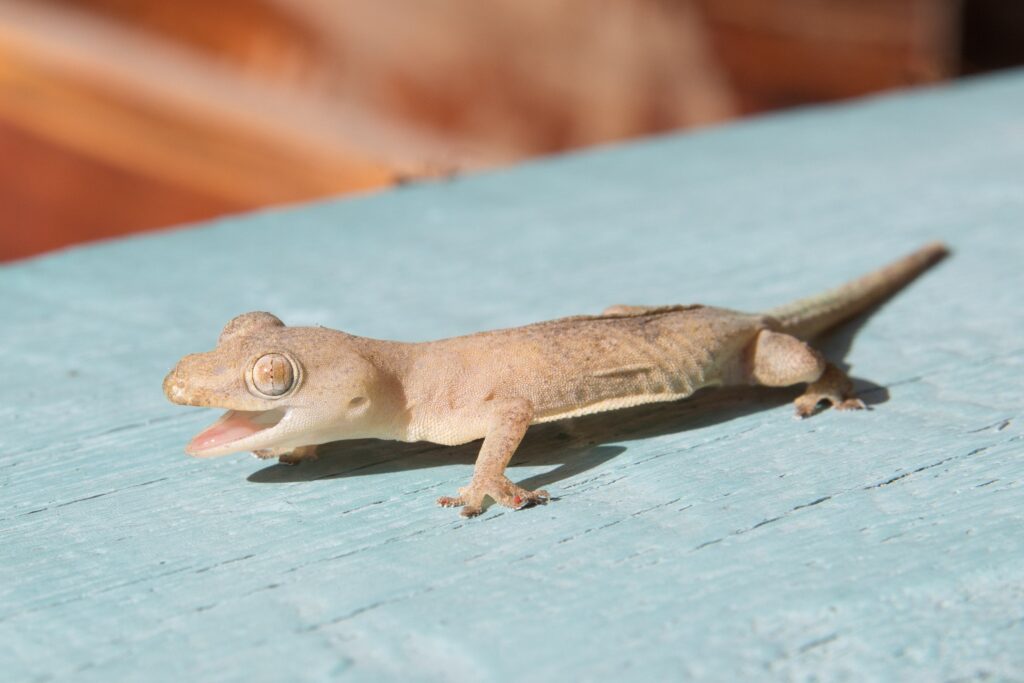
When a lizard enters a home, many traditions view the encounter as more than coincidence.
In folklore across parts of Asia, Africa, and the Mediterranean, lizards are associated with protection and alertness. Their sensitivity to vibrations and quick reflexes make them symbols of vigilance and survival.
Biologically, lizards possess a remarkable defense mechanism: the ability to detach their tail when threatened, sacrificing a part of themselves to escape danger. Symbolically, this trait has come to represent adaptability — the wisdom of releasing what no longer serves one’s well-being.
In this interpretation, a lizard’s appearance is not ominous but instructive. It suggests flexibility in times of uncertainty, and the strength found in strategic retreat rather than confrontation.
Beyond Symbolism: Ecological Guardians
While symbolism enriches human culture, the practical ecological roles of these creatures are equally powerful.
- Barn owls help control rodent populations naturally, reducing agricultural loss and limiting the need for toxic rodenticides.
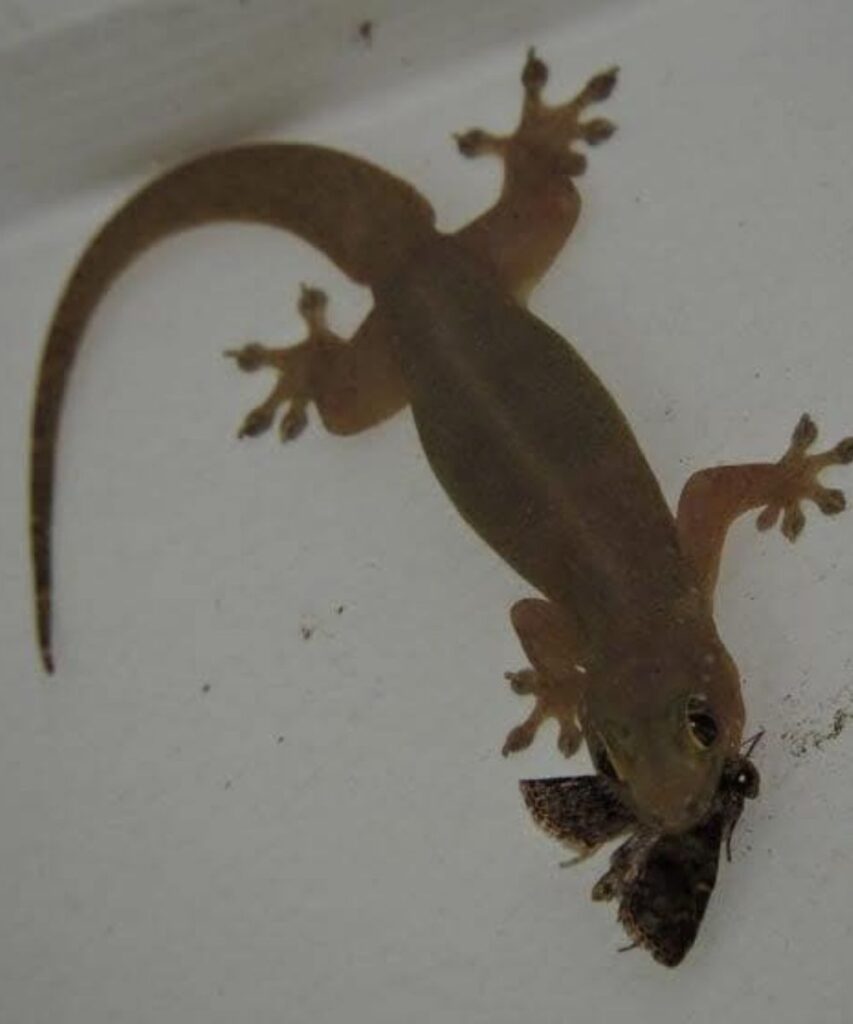
- Lizards and geckos consume insects such as mosquitoes and flies, acting as organic pest control within homes and gardens.
- Dragonflies prey on mosquito larvae, contributing to healthier wetland ecosystems.
- Even spiders regulate insect populations, maintaining ecological balance in subtle but vital ways.
By allowing these animals to thrive — and by reducing reliance on harmful pesticides — humans participate in a quiet partnership with nature.
The symbolism may be ancient. The ecological benefits are immediate and measurable.
In an era increasingly shaped by technology and urban expansion, encounters with wildlife — whether an owl’s silhouette at dusk or a lizard pausing on a sunlit wall — reconnect us to something older and enduring. Across cultures, these animals have carried layered meanings: wisdom, transformation, protection, resilience. Yet beyond symbolism, they serve critical ecological functions that sustain biodiversity and environmental balance. Perhaps their greatest message is not mystical at all — but a reminder that human well-being remains inseparable from the natural systems that quietly support it every day.
Leave a Reply