Broccoli is one of the most complete and healthy vegetables available. It is rich in vitamins, minerals, and plant-based proteins, and it is easy to cook and very versatile in the kitchen. However, there is one issue many people overlook: simply rinsing it with water is not enough.
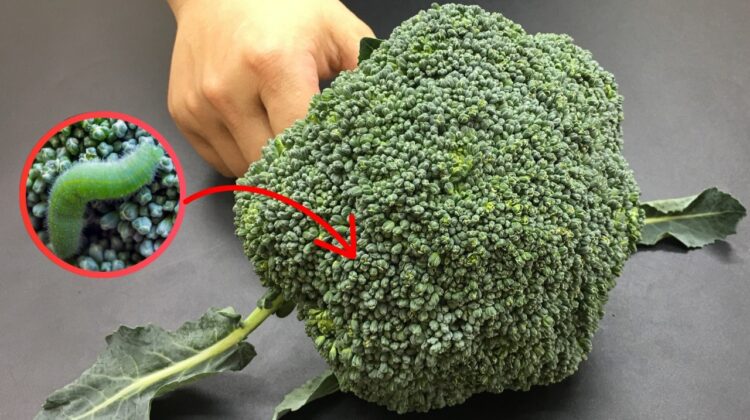
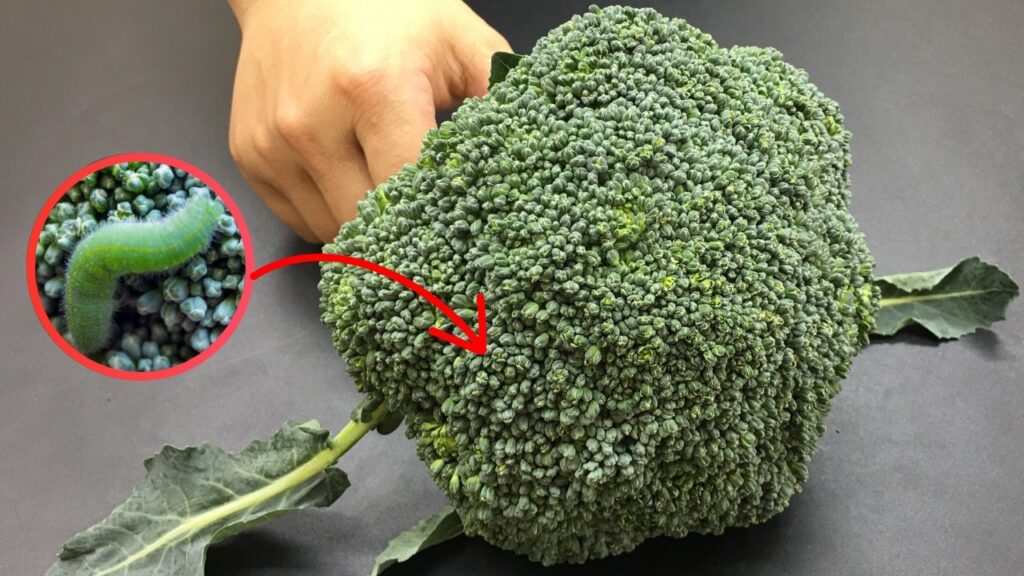
Due to its structure filled with tiny cavities, broccoli can trap dirt, pesticide residues, and even small insects. That’s why learning how to clean it properly is essential for safe consumption.
Why isn’t rinsing with water enough?
Broccoli florets are dense and compact, which means:
Dirt can get trapped inside
Chemical residues are hard to remove
Small insects may remain hidden
A quick surface rinse cannot reach these areas.
The correct way to clean broccoli
1. Cut into small pieces
Separate the broccoli into small florets using a knife or scissors. This allows for deeper cleaning.
2. Prepare the cleaning solution
In a large container, add:
1 tablespoon of salt
1 teaspoon of baking soda
1 tablespoon of flour
Enough water to cover the broccoli
3. Mix well
Stir with your hand until all the ingredients dissolve completely.
4. Soak
Place the broccoli in the mixture and let it soak for 5–10 minutes.
Why does this method work?
Flour acts like a magnet, trapping dirt, insect eggs, and residues
Salt helps drive out insects and has a mild antibacterial effect
Baking soda helps remove pesticide residues
Together, they create a much more effective cleaning process than water alone.
Final rinse
After soaking:
Gently move the broccoli around
Rinse it under running water
You’ll notice it looks cleaner, fresher, and brighter green.
Don’t throw away the stem
Many people discard the stem, but it is completely edible and nutritious.
How to prepare it:
Peel off the tough outer layer
Cut it into small pieces
Use it in stir-fries, soups, or side dishes
It has a mild, slightly sweet flavor and a crunchy texture.
Recipe 1: Baked Broccoli with Eggs and Cheese
Ingredients:
Cleaned broccoli
3 eggs
Black pepper
2–4 tablespoons of yogurt or cream
50 g grated cheese
Oil
Instructions:
Boil water and add a little oil
Cook the broccoli for 1–2 minutes
Place it on an oiled baking tray
Mix the eggs, pepper, and yogurt
Pour over the broccoli
Add the cheese
Bake at 180°C (350°F) for 20–25 minutes
Result: a creamy, soft, and flavorful dish.
Recipe 2: Steamed Broccoli with Eggs (Soft Texture)
Ingredients:
Chopped broccoli
Diced carrots
3 eggs
Warm water (same amount as the eggs)
Salt
Instructions
Beat the eggs and mix with water
Strain the mixture to remove bubbles
Add broccoli and carrots
Add salt
Steam for 10–15 minutes
Let rest for 2 minutes before serving
Optional: add a few drops of sesame oil or soy sauce.
Result: a soft, light texture that is easy to digest.
Tips and recommendations
Don’t skip soaking—it’s key for deep cleaning
Use warm water in egg recipes for better texture
Avoid overcooking broccoli to preserve nutrients
Adding oil when boiling helps maintain its bright green color
Ideal for children and older adults due to easy digestion
Cleaning broccoli properly not only improves its taste but also protects your health. With this simple and effective method, you can remove impurities and enjoy this vegetable with complete confidence while maximizing its benefits.
Leave a Reply