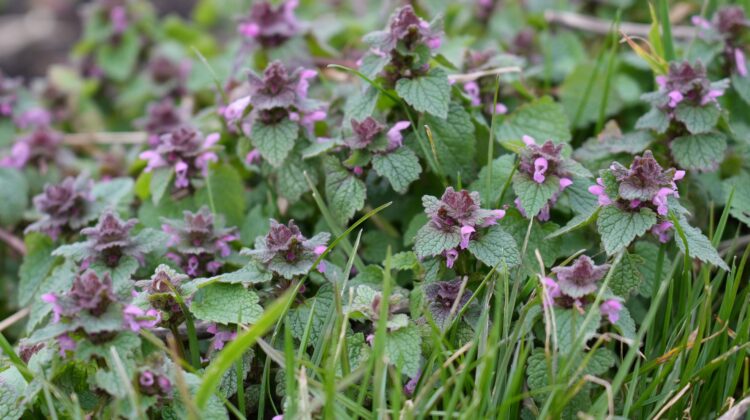
Often dismissed as a common weed, Lamium purpureum is gaining attention for its wide range of traditional uses. With its purple-tinged leaves and delicate flowers, this member of the mint family grows abundantly in gardens, roadsides, and open fields across Europe, Asia, and beyond.
A plant with a long tradition
For generations, purple deadnettle has been used in folk remedies for its soothing and nourishing properties. While many of its benefits are rooted in tradition rather than modern clinical research, it continues to be valued in herbal practices.
Commonly associated uses include:
- Supporting digestion and reducing bloating
- Soothing minor skin irritations and inflammation
- Providing antioxidants that may support immune health
- Acting as a mild diuretic to help balance fluids
- Promoting relaxation when consumed as herbal tea
Its leaves are also edible and are sometimes added to salads, soups, or smoothies for a mild, earthy flavor.
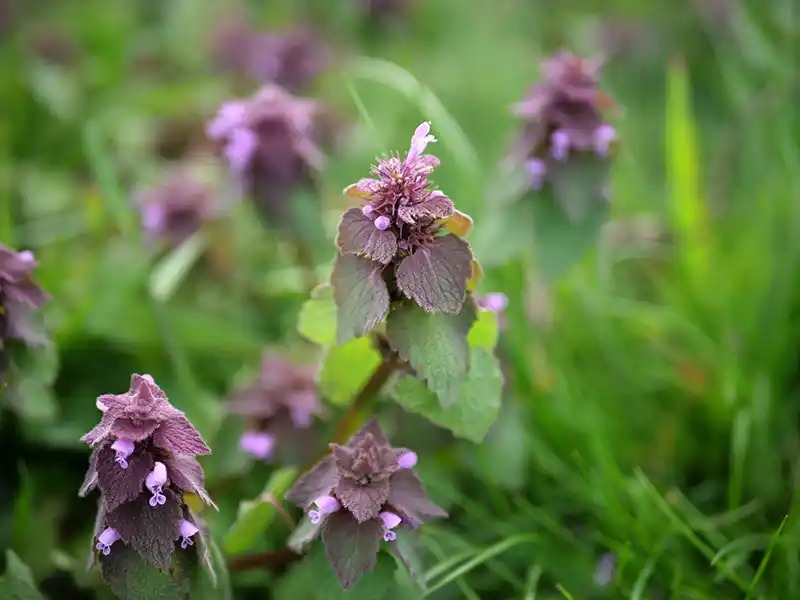
Practical and household applications
Beyond its medicinal reputation, purple deadnettle also has practical uses:
- Herbal tea: Dried leaves steeped in hot water
- Poultice: Crushed fresh leaves applied to minor cuts or burns
- Infused oil: Used for skin care preparations
- Compost booster: Adds nutrients to garden soil
- Pollinator support: Its flowers attract bees and beneficial insects
This makes it not just useful, but also valuable in sustainable gardening.
Identification and safety
Correct identification is essential when foraging wild plants. Purple deadnettle is often confused with similar species like Lamium amplexicaule or Urtica dioica.
Key features include:
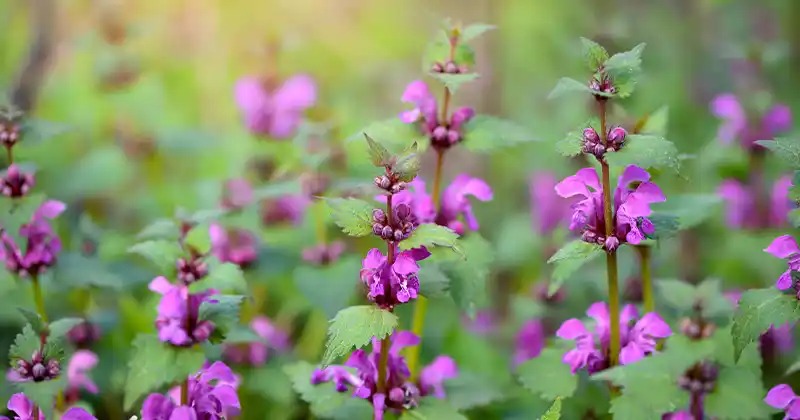
- Soft, heart-shaped leaves with a purple tint near the top
- Small pinkish-purple tubular flowers
- Square stems typical of mint-family plants
- Non-stinging texture
Although generally considered safe, it should always be harvested from clean, pesticide-free areas.
A note of caution
Like many wild herbs, purple deadnettle should be used responsibly. Some individuals may experience sensitivity, and its medicinal effects are not a substitute for professional medical treatment.
Consulting a qualified expert before regular use is strongly recommended.
As interest in natural living continues to grow, overlooked plants like purple deadnettle are being rediscovered for their quiet potential. From simple home remedies to sustainable gardening, this humble wild herb offers a practical, low-cost way to reconnect with nature—provided it is used with proper knowledge and care.
Leave a Reply