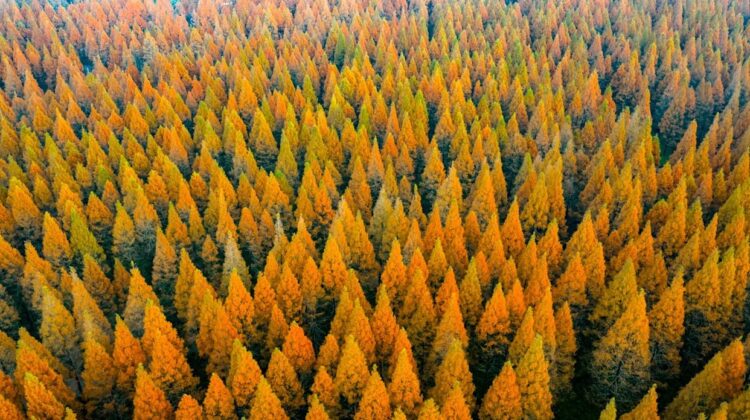
China’s vast tree-planting campaigns—hailed as one of the largest environmental efforts in human history—are now revealing a more complicated reality. While reforestation has delivered clear ecological benefits, new research suggests it is also reshaping the country’s water cycle in unexpected ways.
A recent study published in Earth’s Future highlights how decades of large-scale planting have altered rainfall patterns and water availability across the country.
A green transformation on a massive scale
Since launching the Three-North Shelterbelt Program—often called the “Great Green Wall”—in 1978, China has planted an estimated 78 billion trees.
The results are striking:
- Forest coverage has grown from about 10% in 1949 to roughly 25% in recent years
- Around 116,000 square miles of land have been reforested
- Desertification and soil erosion have been significantly reduced
The initiative, alongside programs like Grain for Green and the Natural Forest Protection Program, has been widely praised as a model for large-scale environmental restoration.
The hidden cost: water redistribution
However, the same trees that stabilize soil and absorb carbon are also reshaping how water moves through the environment.
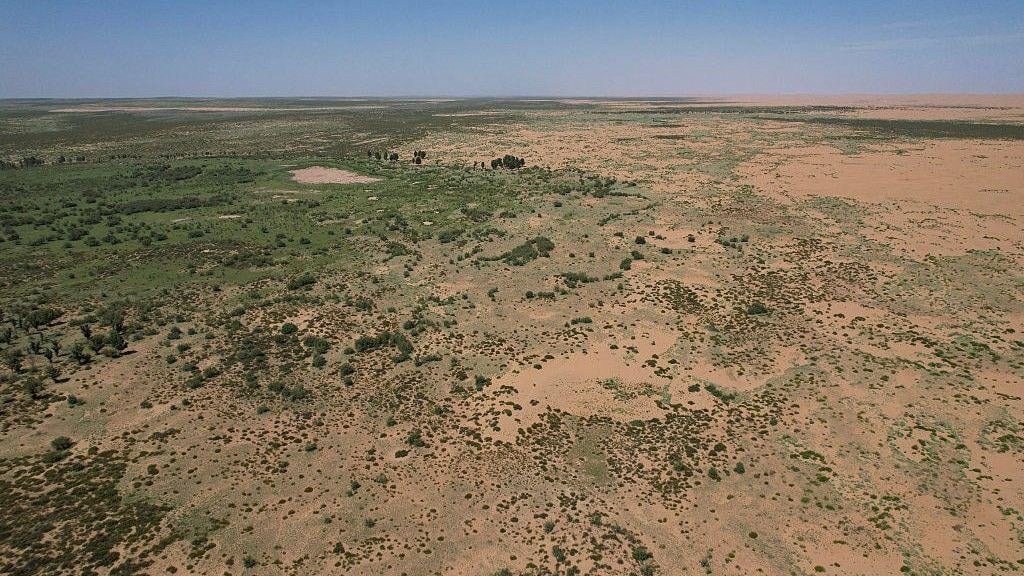
Researchers found that between 2001 and 2020, increased vegetation led to reduced water availability in large parts of the country—particularly in eastern monsoon regions and the arid northwest.
At the center of this shift is a process known as Evapotranspiration, which combines:
- Evaporation (water turning into vapor from soil and surfaces)
- Transpiration (plants releasing water vapor through tiny pores called stomata)
With billions of additional trees, this process has intensified—pulling more water from the ground and releasing it into the atmosphere.
Winners and losers in the water cycle
The study found that this increased moisture doesn’t stay evenly distributed.
Instead:
- Regions like the Tibetan Plateau are receiving more precipitation
- Eastern and northwestern China are experiencing declines in water availability
- The northwest appears to be the hardest hit, losing significant moisture
These changes affect nearly three-quarters of China’s land area, making the impact both widespread and significant.
A growing imbalance
The shift is especially concerning because China’s population and farmland are not aligned with its water resources.
Northern regions:
- Contain nearly half of the population
- Hold more than 50% of arable land
- Have access to only about 20% of the country’s water
Further reductions in water availability could intensify existing shortages and put additional pressure on agriculture and urban systems.
Rethinking large-scale reforestation
Scientists stress that this does not mean reforestation is harmful—but rather that it must be carefully planned and balanced.
Changes in land use—such as converting grasslands to forests—can increase rainfall locally but still reduce overall water availability due to higher evapotranspiration rates.
Understanding these trade-offs is now seen as essential for future environmental planning.
China’s reforestation success proves that humans can reshape landscapes on a planetary scale—but it also reveals how delicate those systems truly are. Planting billions of trees may seem like an unquestionable good, yet nature rarely responds in simple ways. As the world looks to reforestation as a solution to climate change, China’s experience delivers a clear message: restoring the planet is not just about adding more green—it is about understanding the invisible systems that keep it alive.
Leave a Reply