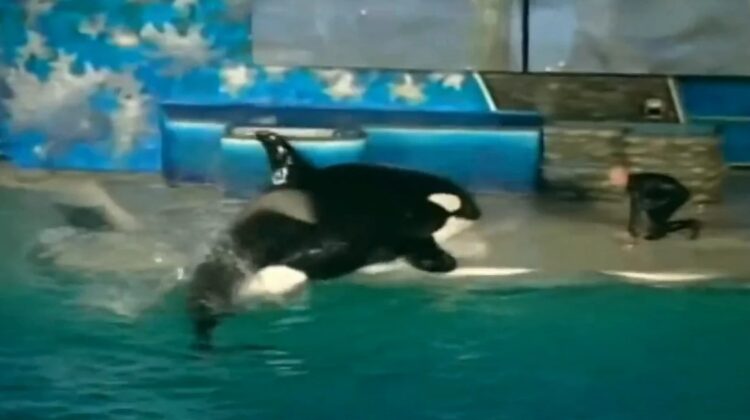
Few animals in captivity have shaped public opinion, and public policy, quite like Tilikum, a male orca whose decades in marine parks became a turning point in the debate over keeping killer whales in captivity.
Captured As A Calf, Raised In Concrete
Tilikum was captured off the coast of Iceland in 1983 at around two years old and initially held at a marine zoo near Reykjavík. In 1984 he was moved to Sealand of the Pacific, a marine park in British Columbia, Canada, where he lived in a relatively small pool alongside two female orcas for more than a decade.
A Facility That Closed After A Tragedy
In 1991, a Sealand of the Pacific employee died after entering the pool housing Tilikum and the two females. The incident led to renewed scrutiny of the facility’s safety practices, and Sealand of the Pacific closed permanently not long afterward. Tilikum and the two females were subsequently sold to SeaWorld Florida.
Two More Incidents At SeaWorld
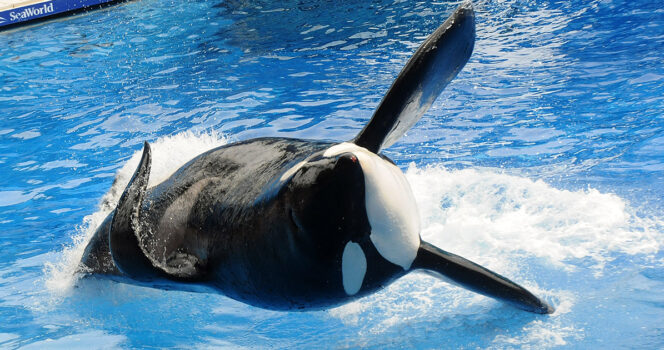
Tilikum’s time at SeaWorld was marked by two further incidents involving human deaths: one in 1999, involving a man found in his tank after the park had closed for the night, and another in 2010, involving a senior trainer during a public performance. The 2010 incident received extensive international media coverage and became a central case study in the documentary Blackfish (2013), which examined the psychological effects of captivity on orcas.
Why Captive Orcas Behave Differently
Marine biologists and animal behaviorists have long pointed out that orcas in the wild live in complex, stable family pods, travel dozens of miles a day, and rarely if ever harm humans. In captivity, orcas are confined to a tiny fraction of their natural range, separated from natural social structures, and in some documented cases show signs of chronic stress. Researchers who study captive marine mammals have cited these factors as possible contributors to aggressive incidents involving orcas held in tanks, distinguishing this from any orca “attacking” a person in the wild, which remains exceedingly rare.
A Turning Point For The Industry
The events involving Tilikum, combined with mounting public and scientific pressure, contributed to major changes in the marine park industry. SeaWorld ended its orca breeding program and phased out its traditional orca performance shows, shifting toward educational presentations instead. Tilikum remained at SeaWorld Orlando until his death in 2017, following a bacterial infection.

The Broader Debate Over Marine Mammals In Captivity
Tilikum’s story is often cited in discussions about whether large, highly social marine mammals like orcas can thrive in artificial environments at all. Organizations on different sides of the debate point to differing evidence on lifespan, behavior, and welfare in captivity versus the wild, and the conversation continues to shape policy on marine mammal captivity in several countries.
Frequently Asked Questions
Who was Tilikum?
Tilikum was a male orca captured off Iceland in 1983 who lived in marine parks in Canada and the United States until his death in 2017. He is best known for his role in shaping public debate over orca captivity following several incidents at the facilities where he was held.
Why do captive orcas sometimes behave aggressively toward humans?
Researchers point to factors like confinement in small tanks, separation from natural pod structures, and chronic stress as possible contributors, distinguishing captive incidents from the extremely rare cases of wild orca aggression toward humans.
Did Tilikum’s story change how marine parks operate?
Yes. Following public and scientific pressure, SeaWorld ended its orca breeding program and phased out traditional orca performance shows in favor of educational presentations.
Is Blackfish based on Tilikum’s story?
Yes, the 2013 documentary Blackfish examines Tilikum’s history and the broader question of orca welfare in captivity, and is widely credited with intensifying public debate on the subject.
Are orcas dangerous to humans in the wild?
Wild orcas have no confirmed record of a fatal attack on a human. Nearly all documented human deaths involving orcas have occurred in captive settings.
Leave a Reply