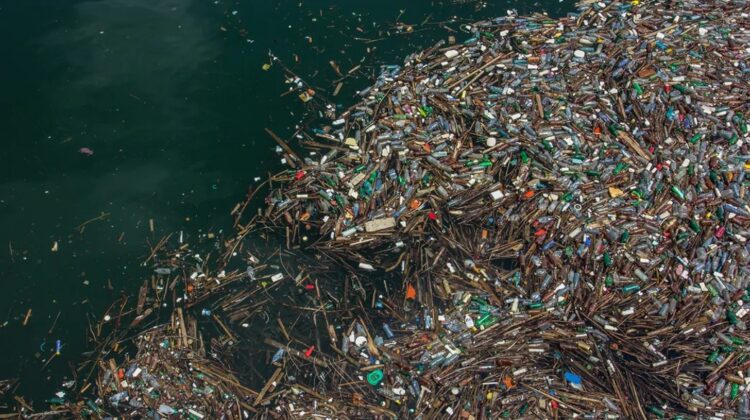
Floating between Hawaii and California is one of the planet’s most disturbing symbols of modern waste: the Great Pacific Garbage Patch, a vast accumulation of plastic debris covering an area estimated to be more than twice the size of Texas.
For years, it has been viewed primarily as an environmental catastrophe for marine ecosystems — a sprawling oceanic graveyard of bottles, nets, packaging, and discarded plastic fragments.
But scientists now warn it may represent something even more troubling.
According to new research, the Great Pacific Garbage Patch may also be contributing to global warming by releasing microscopic plastic particles into the atmosphere, where they can absorb sunlight and trap heat.
From floating trash to airborne pollution
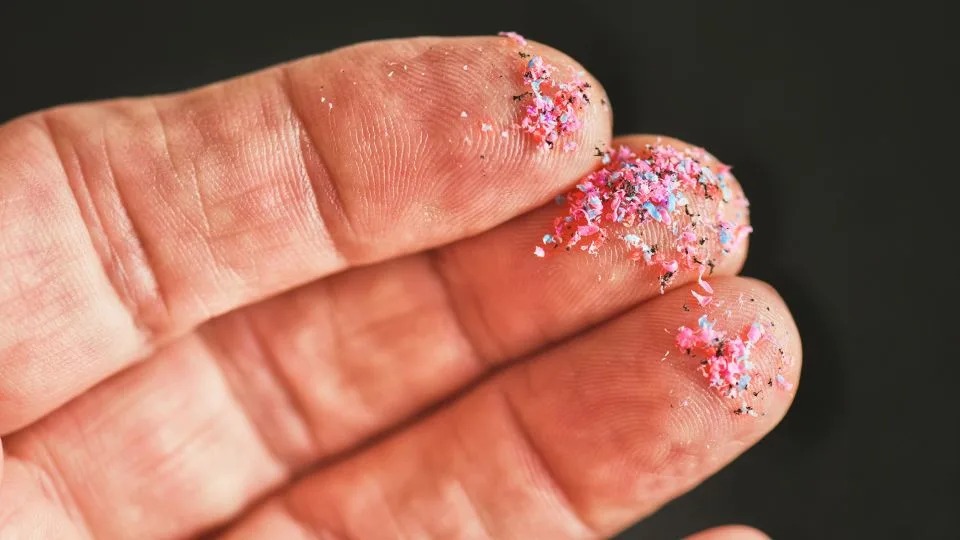
As plastic waste in the ocean breaks apart through sunlight, waves, and constant friction, it fragments into microplastics and nanoplastics — particles so small they can become airborne.
Once lifted by wind and sea spray, these particles do not simply disappear.
Researchers from China and the United States, writing in Nature, found that airborne plastics may have a measurable warming effect on the climate, revealing a previously underestimated link between plastic pollution and atmospheric change.
While earlier studies often assumed plastic particles were largely transparent and therefore climatically insignificant, the new analysis found otherwise.
Many plastics contain pigments — including black, blue, red, and yellow colouring — which dramatically alter how they interact with sunlight.
Darker and coloured particles absorb far more solar energy than clear plastics, in some cases up to 75 times more.
Scientists say these particles can behave much like dark clothing on a sunny day: rather than reflecting light away, they absorb heat.
Tiny particles, global implications
The smaller the plastic particle, the more concerning it may become.
Nanoplastics, far thinner than a human hair, can remain suspended in the air for longer periods and absorb sunlight more efficiently than larger fragments.
Over time, as plastics weather and chemically age, many may also darken, increasing their warming potential further.
Although the global heating effect of airborne plastics remains lower than major pollutants such as black carbon or soot, researchers estimate it could already amount to around 16% of black carbon’s warming influence — far from negligible.
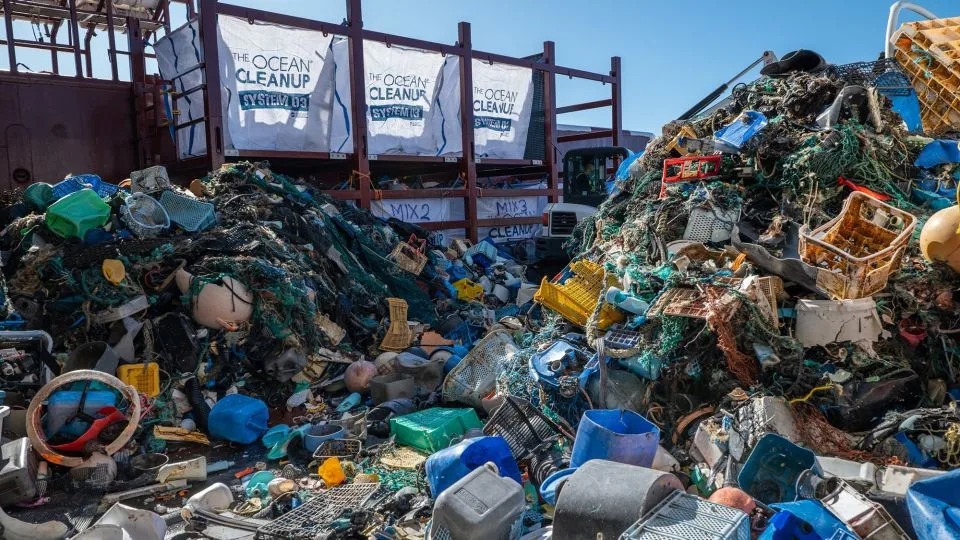
In concentrated plastic zones like the Great Pacific Garbage Patch, the local atmospheric effect may be even stronger.
A broader planetary problem
The Pacific garbage patch is only one part of a much larger issue.
Microplastics can also enter the atmosphere from landfills, roadside litter, tyre wear, industrial waste, and degraded urban plastics.
This suggests the climate consequences of plastic pollution may extend well beyond oceans and coastlines, potentially making plastic a more complex environmental threat than previously understood.
Experts caution that more research is needed, particularly to better quantify how much airborne plastic currently exists and how it behaves over time.
Still, the findings underscore a critical reality: plastic pollution is not merely choking seas, harming wildlife, or contaminating food chains — it may also be subtly reshaping Earth’s climate system.
The Great Pacific Garbage Patch has long been seen as a monument to human waste drifting across the ocean. But science increasingly suggests it may also be a warning in the sky — where broken plastic no longer remains just a marine disaster, but becomes part of a far wider planetary crisis. In an age defined by interconnected environmental threats, even our discarded rubbish may be helping heat the world we depend on.
Leave a Reply