
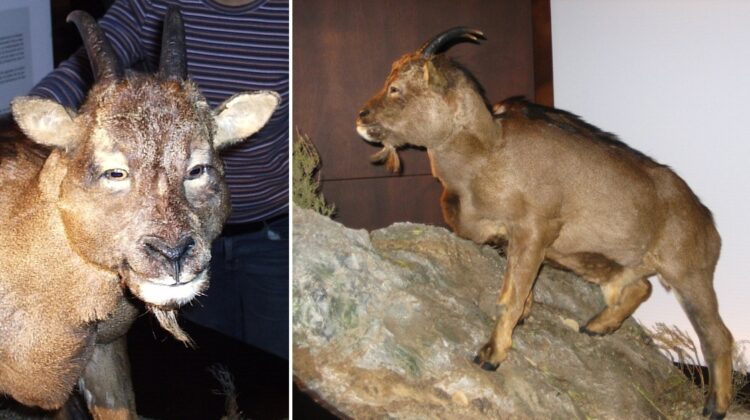
Hidden for millions of years in island caves, Myotragus balearicus—a strange, goat-like mammal—defied everything we thought we knew about warm-blooded creatures. Known as the Balearic Islands cave goat, this extinct species holds the title of the only known cold-blooded mammal.
Reconstructed from fossil remains found on the Balearic Islands, Myotragus balearicus didn’t just look unusual—it lived unusually. Imagine a mammal that behaved like a reptile: basking in the sun to warm up, slowing its metabolism when food was scarce, and moving sluggishly to conserve energy. Yet it also nursed its young, a hallmark of warm-blooded life. This wasn’t a science fiction story—it was a natural marvel.
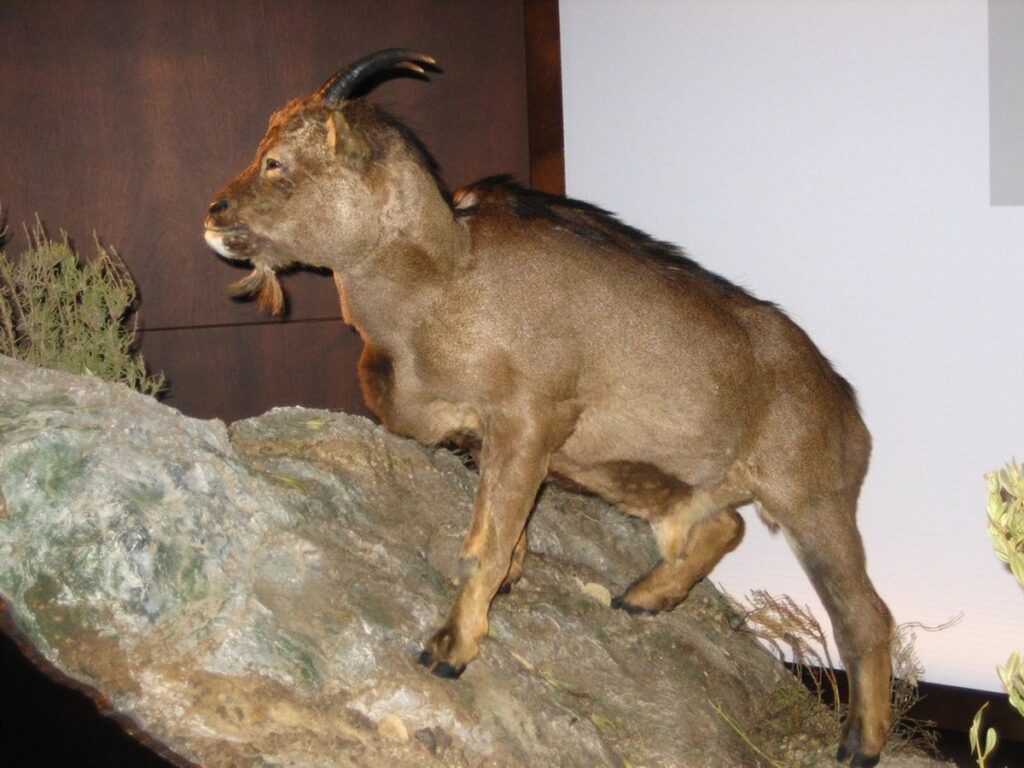
For over 5 million years, this dwarf mammal evolved in isolation. With no predators but also limited food, it adapted in remarkable ways. Roughly the size of a large dog and weighing about 50 pounds (23 kg), it was significantly smaller than modern goats. Its body revealed its most shocking adaptation: a cold-blooded metabolism.
Through the analysis of fossilized bones, researchers found growth patterns and internal structures more similar to reptiles than to mammals. Like a crocodile, Myotragus could pause growth entirely and resume later. While most goats reach maturity within 9 months, Myotragus took an astonishing 12 years—another clue pointing to its reptilian traits.
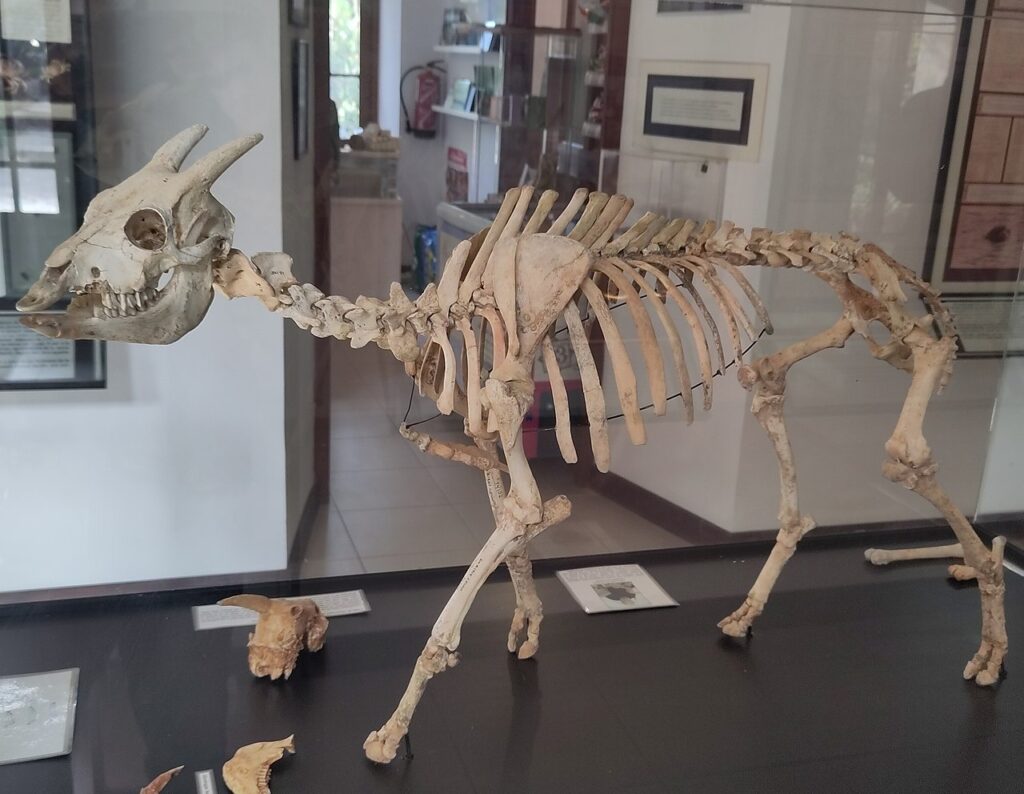
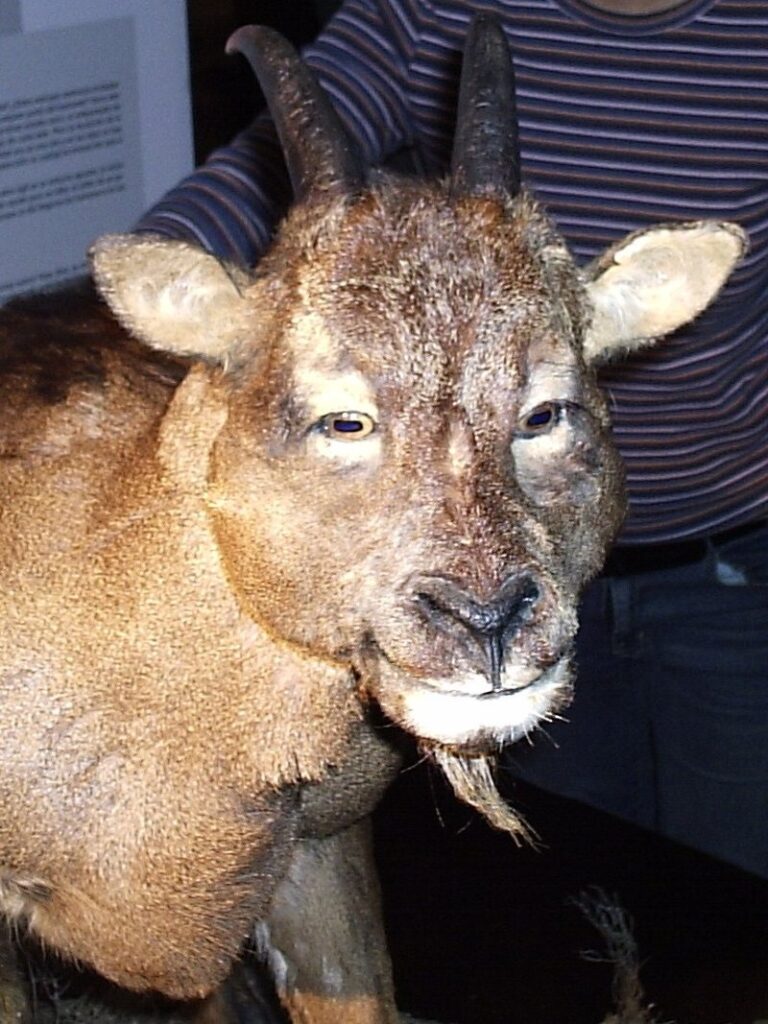
Its slow pace of life went further. It had a small brain and eyes, conserving energy. It moved slowly and soaked up warmth from the sun, making it one of the most energy-efficient mammals ever known. These traits helped it survive on the sparse vegetation of the island—grasses, shrubs, and tough trees.
Its teeth were adapted for grinding tough plants and grew continuously, much like those of rodents. A complex digestive system allowed it to extract nutrients from poor-quality food, cementing its place as the island’s only major herbivore.
However, this evolutionary wonder couldn’t withstand the arrival of humans around 3,000 BC. Early settlers hunted Myotragus for food, clothing, and tools. They also brought new animals—dogs, pigs, and sheep—that competed for resources. Within just a few centuries, this one-of-a-kind mammal vanished forever.
The story of Myotragus balearicus is a breathtaking glimpse into how evolution crafts extraordinary solutions when life is left to its own devices. But it’s also a somber reminder of how quickly such delicate adaptations can be undone by human hands. In its bones lies a message: our planet once held creatures unlike any alive today—and we bear the responsibility to protect what remains.
Leave a Reply