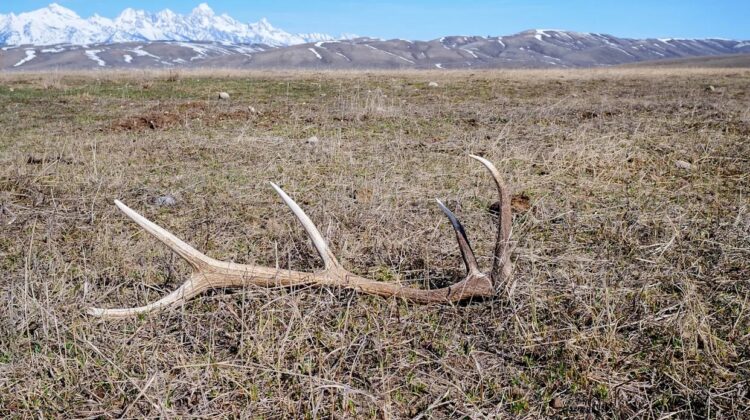
What began as an exciting moment for a young shed hunter in Wyoming quickly turned into a legal headache after a 7-year-old boy picked up an elk antler that allegedly contained a hidden GPS tracking device — leading wildlife officers straight to his family’s door.
The unusual case unfolded in Hot Springs County, Wyoming, where shed hunting — the search for naturally dropped antlers — has become increasingly popular across the American West. But as more hunters search private and public lands for prized antlers, landowners are growing increasingly frustrated with trespassing.
According to reports, the incident took place near LU Ranch, where ranch owners had reportedly been dealing with ongoing trespass issues from shed hunters. In response, they worked with Wyoming game wardens in what appears to have been a creative enforcement strategy: placing elk sheds equipped with tracking devices on private property.
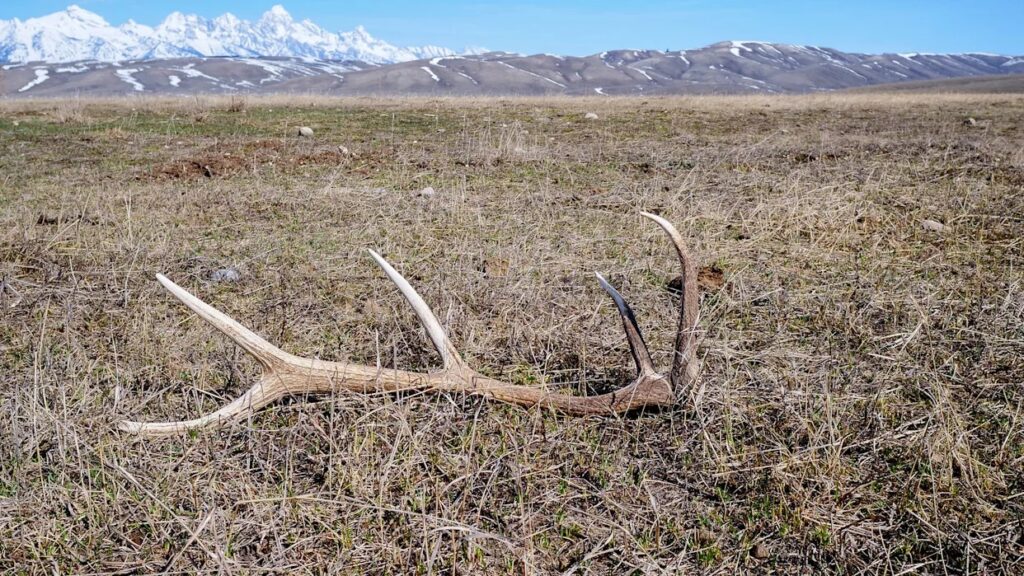
Miles Galovich, whose property neighbors the ranch, said he was driving with his young son on land they believed to be state property when the boy spotted a five-point elk shed roughly 20 yards from the road. Excited by the discovery, the child got out, picked up the antler, and brought it home.
Later, game wardens reportedly arrived at the family’s property and issued Galovich a trespassing citation.
Galovich has argued that the land was not clearly posted or fenced and said the situation felt “kind of like entrapment.” His son returned the antler, but the father now faces potential penalties that could include a fine of up to $1,000, along with possible suspension of hunting and fishing privileges.
The case has ignited debate over property rights, enforcement tactics, and whether the use of GPS-tagged antlers crosses an ethical line.
For ranchers, illegal shed hunting can damage land, disrupt wildlife, and create recurring conflicts. For hunters, however, questions remain about land boundaries, signage, and whether such methods unfairly target people who may not realize they have crossed onto private property.
As shed hunting continues to grow in popularity, this case may serve as a warning that in parts of Wyoming, even a seemingly lucky antler find could carry unexpected consequences.
In the American West, shed hunting has long been seen as a simple outdoor tradition — part treasure hunt, part connection to nature. But this Wyoming case reveals how quickly that tradition can collide with modern surveillance, property disputes, and legal risk. For one young boy, an exciting discovery became a lesson in land access; for others, it may become a reminder that even in open country, crossing the wrong boundary can come at a steep price.
Leave a Reply