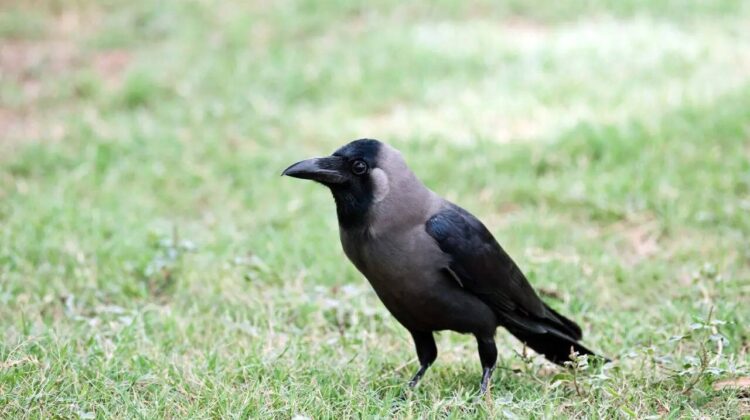
It sounds like folklore, but science says otherwise. A wild crow that has never seen you, never been trapped by you, and never been threatened by you can still recognize your face and react aggressively—simply because its parents taught it that you are dangerous.
This remarkable discovery comes from research led by John Marzluff at the University of Washington. Scientists found that American crows can identify individual human faces, remember them for years, and share that information with other crows, including offspring that were never present during the original encounter.
The Famous Mask Experiment
To test whether crows truly recognize faces, researchers wore a rubber “caveman” mask while trapping and banding wild crows. Another group wore a neutral mask while walking the same routes without capturing any birds.
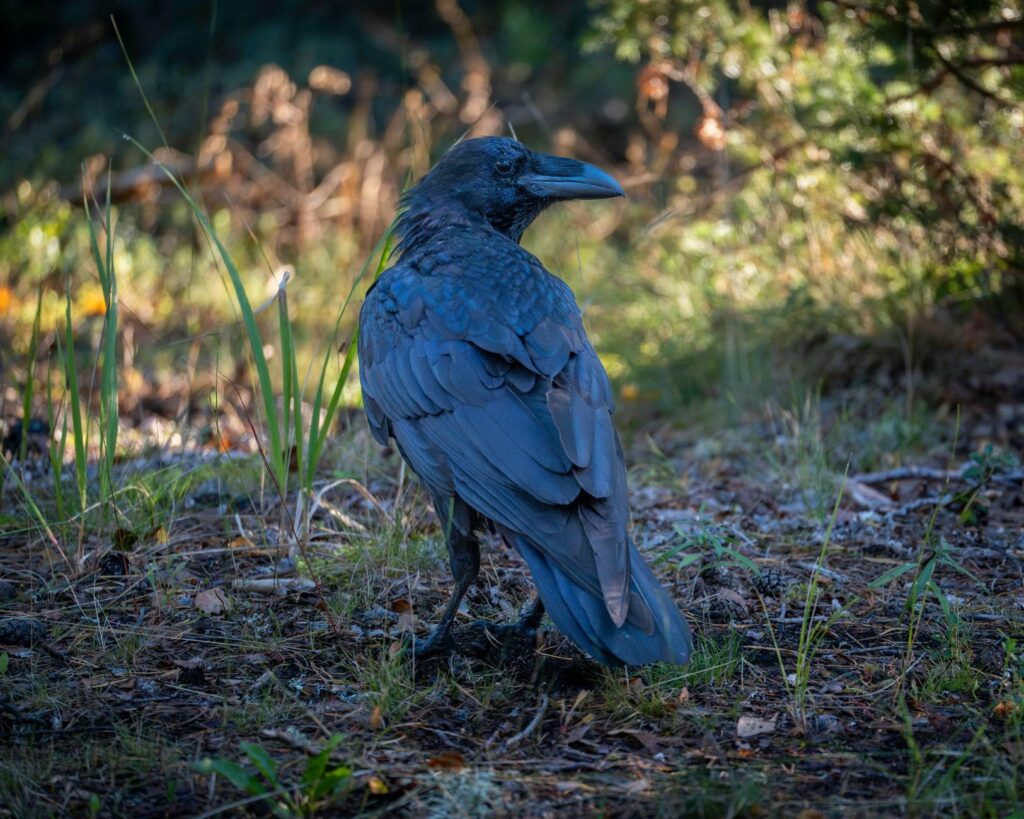
The result was striking. Crows quickly learned to associate the “dangerous” mask with a negative experience, responding with loud alarm calls and mobbing behavior whenever it appeared. The neutral mask received little attention.
Even years later, many of the same birds continued reacting to the dangerous face.
How Crows Pass Information to the Next Generation
The most surprising finding was that young crows, which had never experienced the original trapping event, also began reacting to the dangerous mask.
Researchers believe this happens through social learning. Young crows spend long periods with their parents, observing their behavior and learning which threats to avoid. When adult crows repeatedly scold a specific person, their offspring learn to treat that individual as a danger as well.
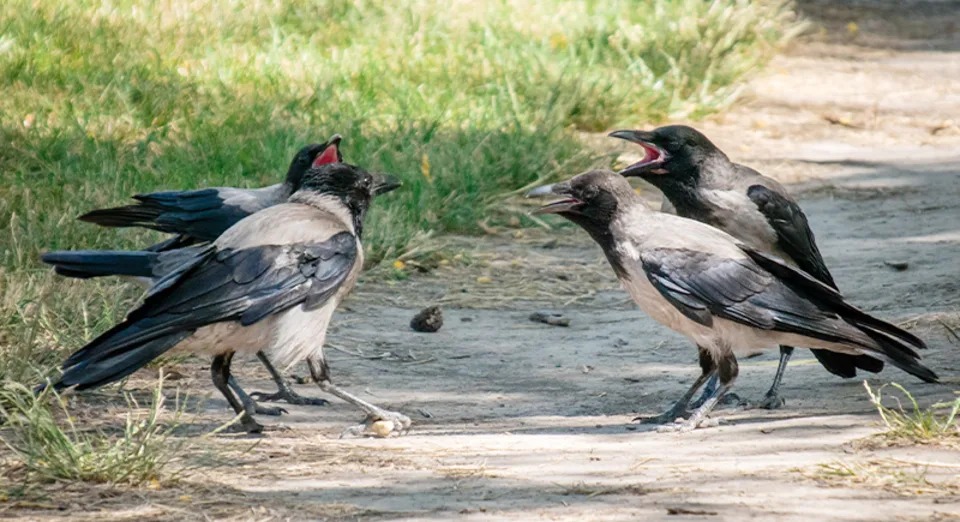
In effect, crows can pass down a “blacklist” of threatening humans from one generation to the next.
One of Nature’s Smartest Birds
Scientists have long known that crows are exceptionally intelligent. They can use tools, solve puzzles, recognize faces, and remember complex social relationships. Some studies even suggest their problem-solving abilities rival those of certain primates.
The crow face-recognition experiments highlight something even more impressive: knowledge within crow communities can spread and persist over time, creating a form of cultural memory that extends beyond individual experience.
Why Scientists Are Paying Attention
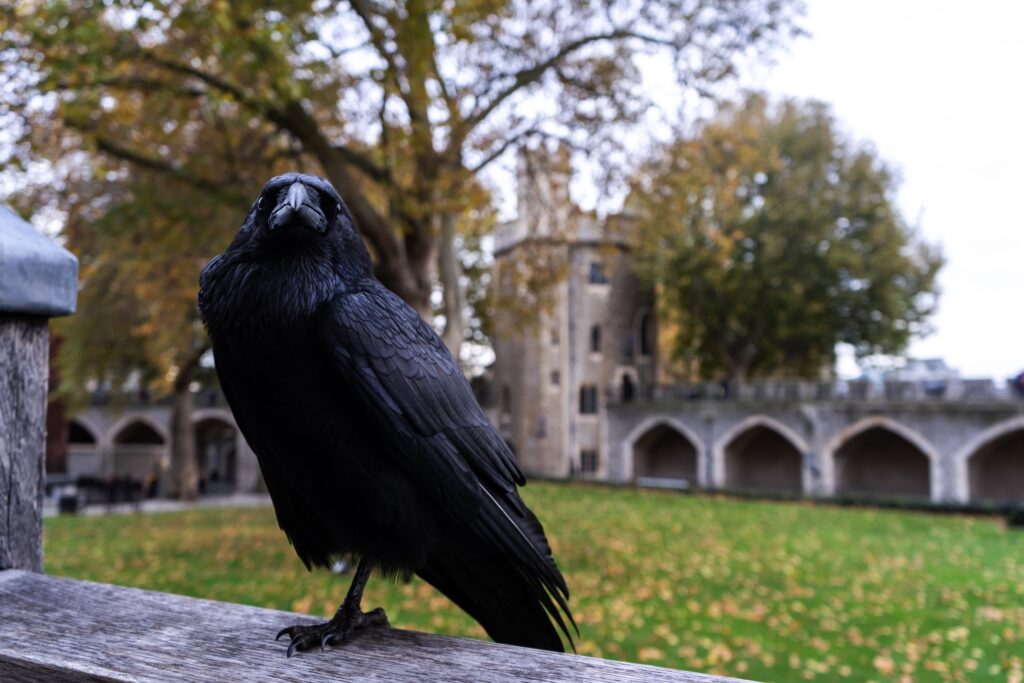
The ability of crows to recognize faces, store long-term memories, and transfer information through social networks has attracted interest from researchers studying neuroscience, cognitive science, and artificial intelligence. Understanding how animals learn and share knowledge could help scientists develop better models of memory, decision-making, and machine learning in the future.
Leave a Reply