
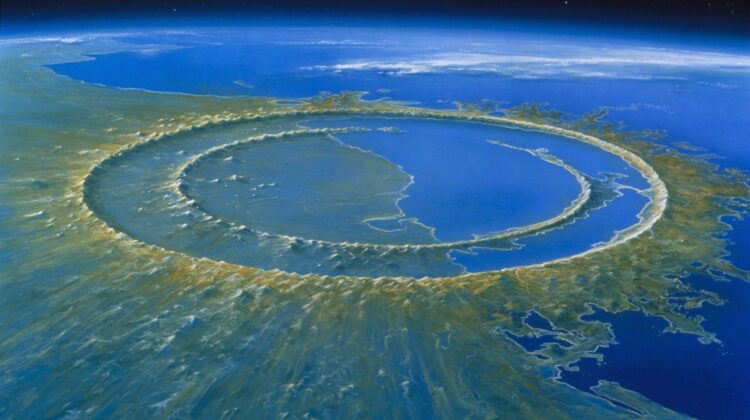
On September 4, 2025, scientists revisited one of Earth’s most dramatic turning points — the asteroid impact that ended the reign of dinosaurs and reshaped life on our planet forever. About 66 million years ago, a single cosmic collision triggered a chain of events that wiped out 75% of all species, proving that even the most dominant creatures were no match for nature’s fury.
A Catastrophic Impact
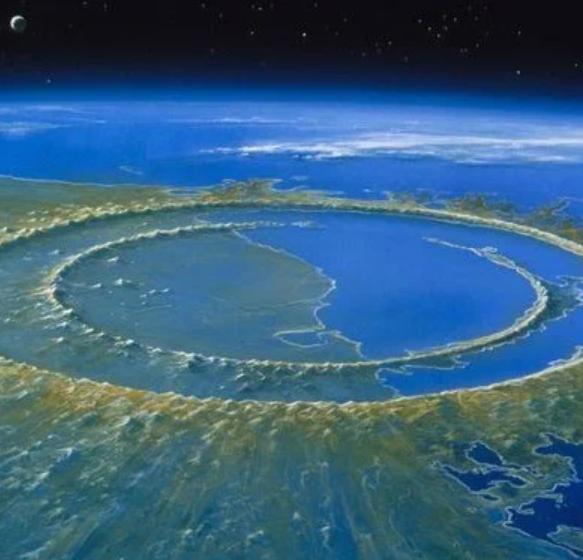
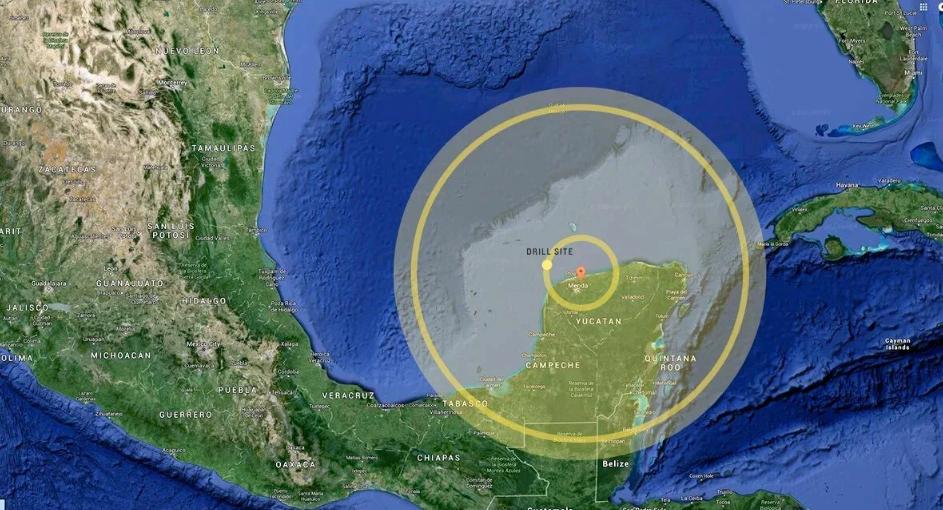
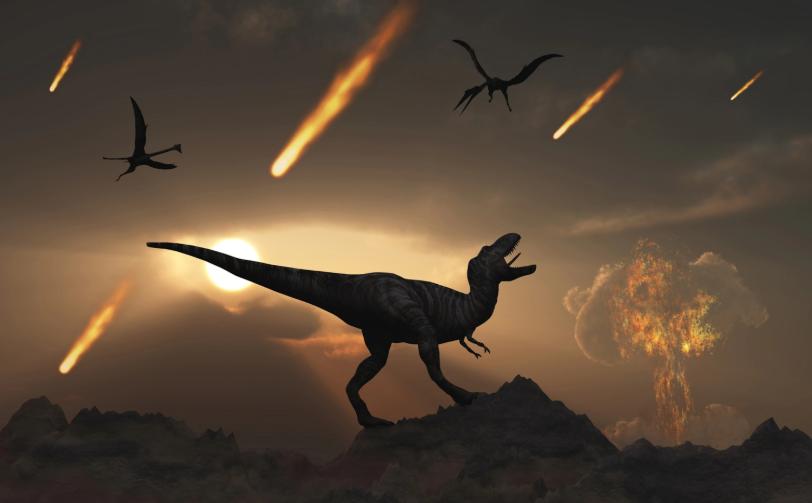
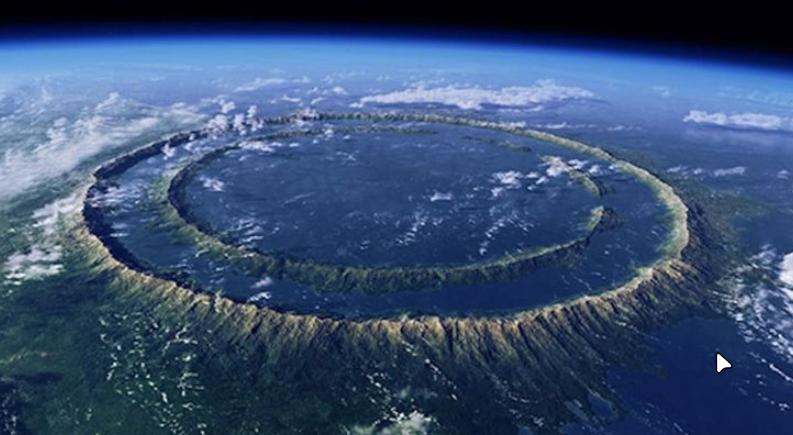
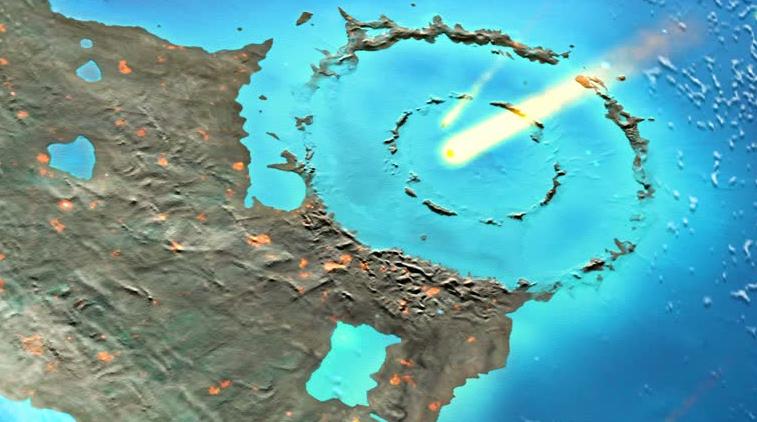
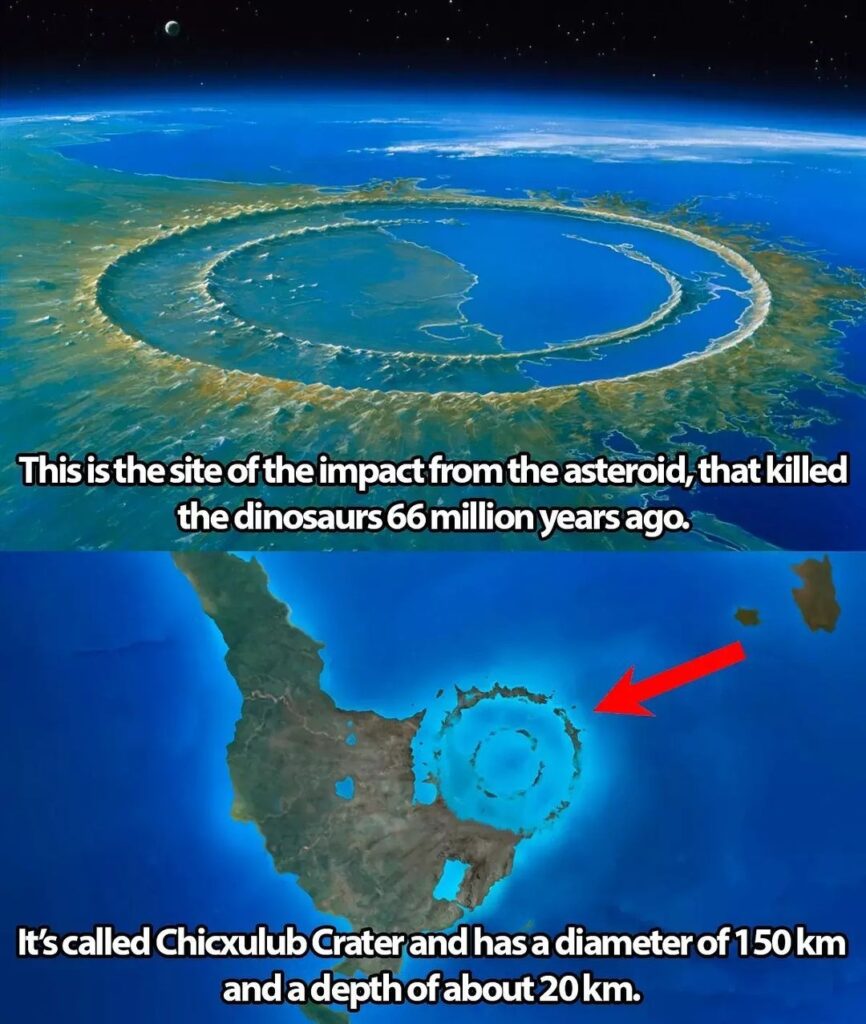
An asteroid roughly 10 kilometers (6 miles) wide slammed into what is now Mexico’s Yucatán Peninsula, creating the Chicxulub crater — a structure about 150 kilometers wide and 20 kilometers deep, one of the largest impact sites on Earth.
The energy released was equivalent to billions of Hiroshima-sized bombs. The blast instantly vaporized everything near the strike zone, while shockwaves, tsunamis, and wildfires consumed vast regions of the planet.
A World Plunged Into Darkness
The collision ejected trillions of tons of rock and debris into the atmosphere, blocking sunlight for months. Global temperatures plummeted in a devastating “impact winter,” while acid rain and atmospheric changes devastated ecosystems.
Plants died, herbivores starved, and predators soon followed. This catastrophic chain reaction marked the end of the Cretaceous period and ushered in a new geological era: the Paleogene period.
The End of Dinosaurs — and a New Beginning
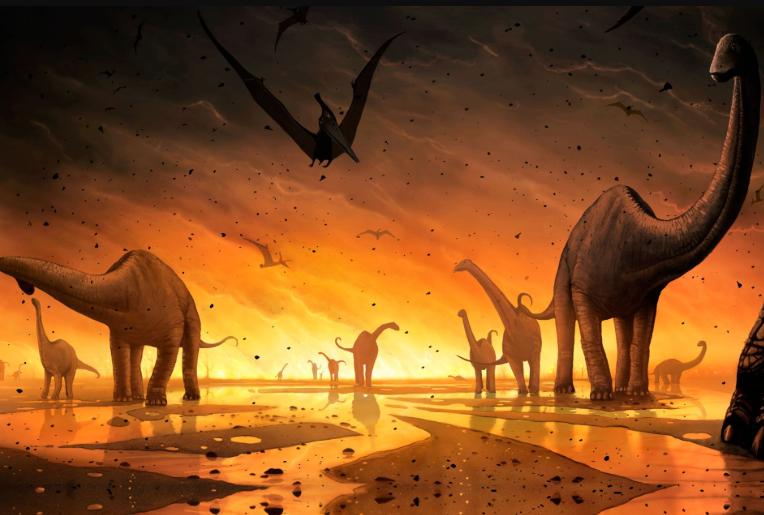
Dinosaurs, once Earth’s rulers, vanished along with pterosaurs, marine reptiles, and countless other species. Yet some creatures survived, including small mammals, birds, and reptiles. Their survival paved the way for mammals — and eventually humans — to dominate the planet.
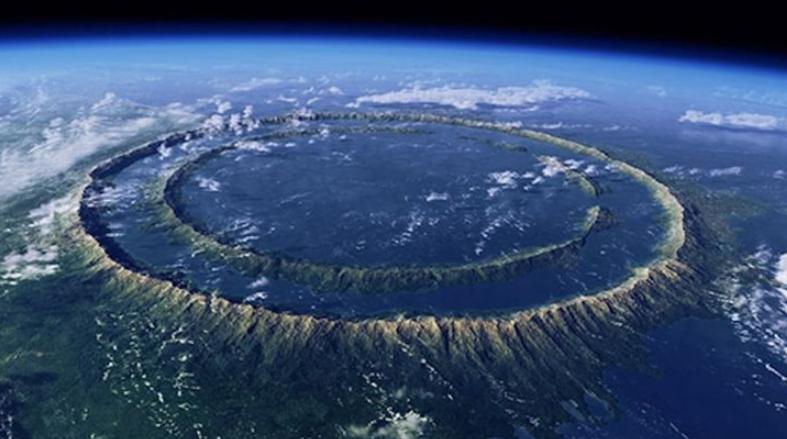
This was one of the largest extinction events in Earth’s history, permanently altering the course of evolution.
A Crater Hidden in Plain Sight
For millions of years, the Chicxulub crater remained buried under layers of rock and dense jungle. In 1991, scientists analyzing oil survey data discovered a massive ring-shaped anomaly beneath the Yucatán Peninsula. Drilling confirmed shocked quartz, melted rock, and geological evidence of a colossal impact that perfectly aligned with the Cretaceous-Paleogene (K–Pg) boundary.
New Research Brings Hope
In 2016, an international team drilled over a kilometer beneath the Gulf of Mexico’s seafloor to extract core samples from the crater. Their research revealed something astonishing: life began to recover within years of the impact.
Even after near-total devastation, Earth’s ecosystems proved remarkably resilient, slowly rebuilding over millions of years.
Lessons for the Future
The Chicxulub crater is more than a relic of destruction; it is a scientific treasure trove that provides insight into:
- Evolutionary biology: How life rebounds after mass extinction
- Climate change: Understanding rapid atmospheric and oceanic shifts
- Planetary defense: Preparing for potential asteroid threats in the future
The story of Chicxulub is a stark reminder of life’s fragility — and resilience. It shows that catastrophic endings can create space for entirely new beginnings.
Leave a Reply