
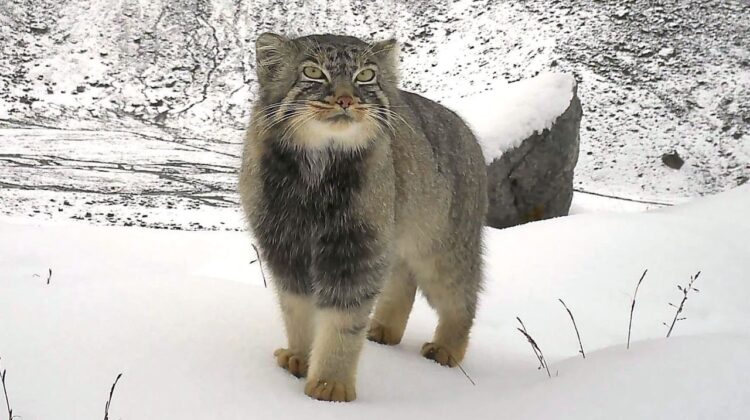
A camera trap has captured the first-ever photograph of the elusive Pallas’s cat in Arunachal Pradesh, India — expanding the known range of one of the world’s rarest and least-studied wildcats.
The striking image, showing the fluffy, grumpy-faced feline standing against a snowy Himalayan backdrop, was recorded during an extensive wildlife survey carried out between July and September 2024. Researchers from WWF India and the Arunachal Pradesh Forest Department set up 136 camera traps across 83 high-altitude sites, covering over 2,000 square kilometers of rugged terrain.
The Pallas’s cat was photographed at an astonishing elevation of 16,400 feet (4,992 meters) — higher than most snow leopards are usually observed.
A Rare and Ancient Wild Cat
Pallas’s cats (Otocolobus manul) diverged from the leopard lineage more than 5 million years ago, making them one of the oldest surviving wild cat species. Compact, thick-furred, and equipped for stealth, they thrive in rocky slopes and shrub-covered habitats.
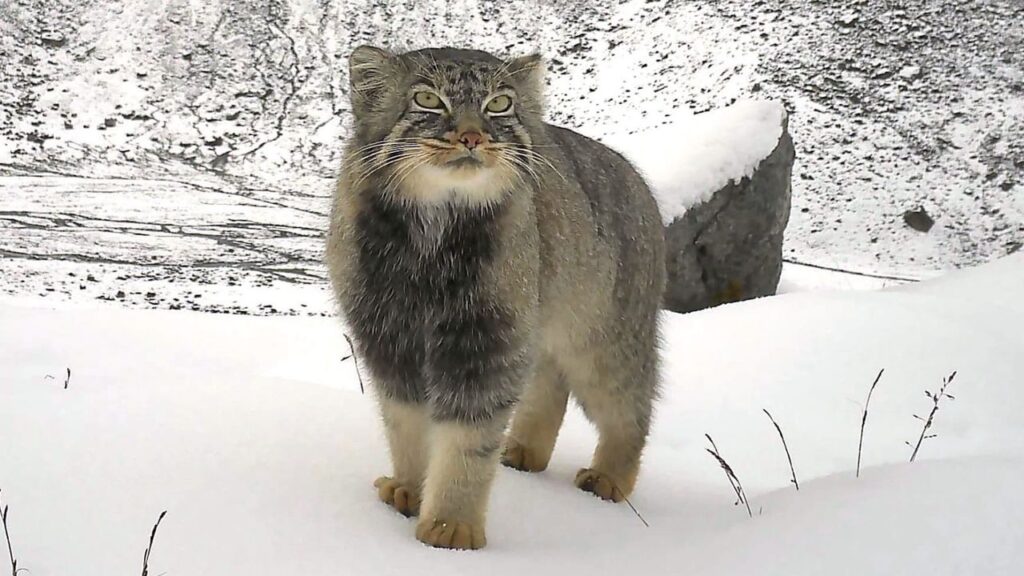
Known for their comically grumpy expressions, these cats are ambush predators, feeding on rodents, birds, and lizards. To survive freezing conditions, they even rest on their bushy tails, using them as insulation against the snow.
A Landscape of Big Cats
The discovery adds to the extraordinary richness of Arunachal Pradesh, which also supports snow leopards, clouded leopards, marbled cats, leopard cats, and common leopards.
In fact, the survey not only captured the Pallas’s cat but also revealed rare behavior: a snow leopard and a common leopard scent-marking at the same site — a remarkable glimpse into how big cats navigate overlapping territories.
Conservation Significance
“This discovery at nearly 5,000 meters is a powerful reminder of how little we still know about life in the high Himalayas,” said Rishi Kumar Sharma, head of science and conservation at WWF India’s Himalayas program.
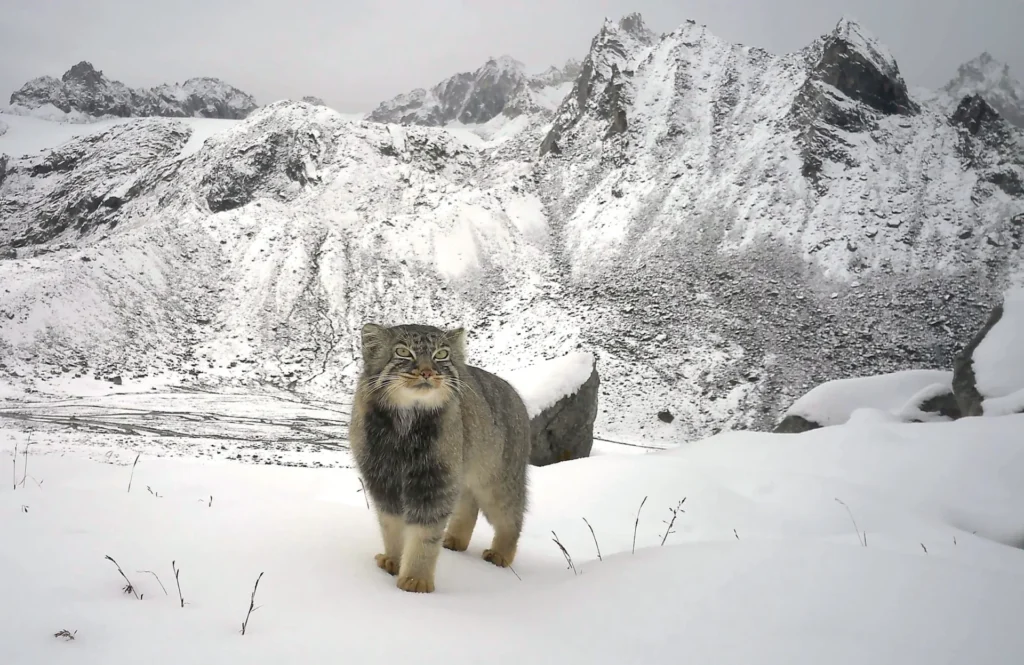
The findings highlight the ecological resilience of this region — a landscape that sustains multiple predator species alongside human pastoral traditions. Conservationists believe this new data will open important opportunities for ecological research and long-term protection.
A Symbol of the Himalayas’ Hidden Richness
Rarely photographed and poorly studied, Pallas’s cats are often called “phantoms of the mountains.” Their presence in Arunachal Pradesh emphasizes the need for continued exploration of the eastern Himalayas, a biodiversity hotspot that still holds many secrets.
As Taku Sai, senior project officer at WWF India, summed up:
“The discovery of multiple wild cats at such extreme elevations opens exciting new opportunities for ecological research and conservation.”
The grumpy-faced cat may look unimpressed, but its sudden appearance on camera is one of the most thrilling wildlife discoveries in recent Himalayan history.
Leave a Reply