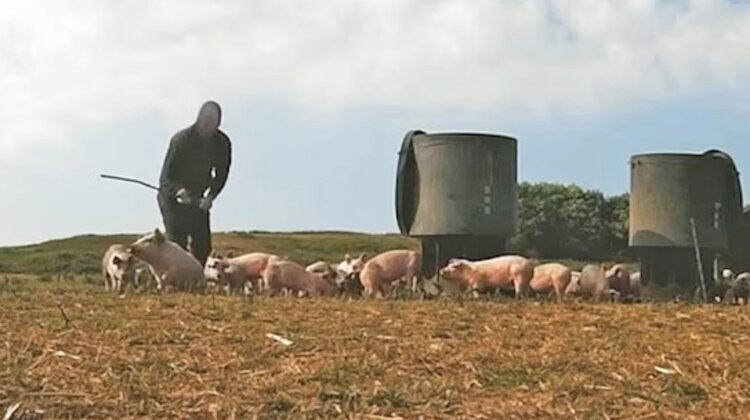
A Norfolk farm business that supplied pork to several major UK supermarkets has admitted an animal welfare offence after undercover footage captured workers violently abusing pigs.
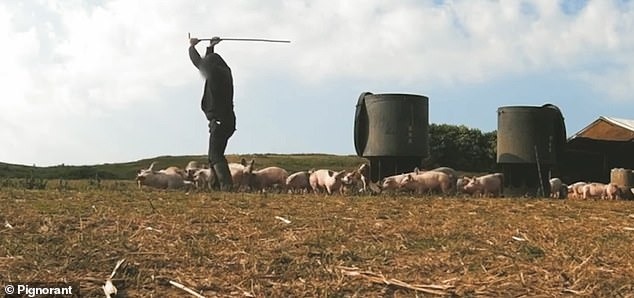
Norfolk Free Range, which has supplied retailers including Waitrose, Tesco, Sainsbury’s, Morrisons, Co-op, Aldi and Lidl, was investigated after covert filming at Harford Farm in Caistor St Edmund showed workers striking pigs with a long metal fencing pole known as a hurdle pin.
The footage, recorded over eight days, showed two separate incidents involving the animals. In one particularly disturbing scene, a pig appeared to be left severely injured after being attacked.
Two employees, a man and a woman, were later dismissed after the incidents came to light.
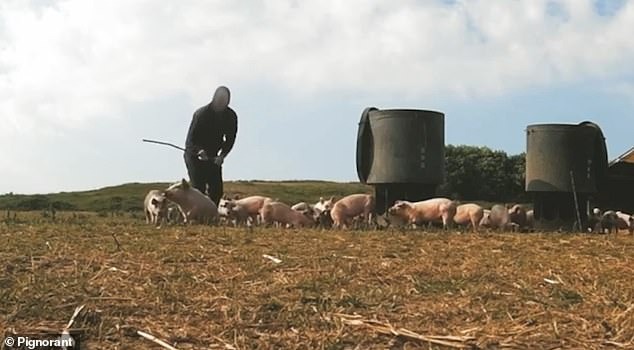
The footage was featured in Pignorant, a documentary produced by animal activist Joey Carbstrong. The company initially denied several allegations, including failures relating to animal welfare and the humane killing of pigs.
However, Norfolk Free Range has now admitted a breach of the Welfare of Animals at the Time of Killing Act 2015, legislation intended to protect animals from avoidable pain, distress and suffering during slaughter.
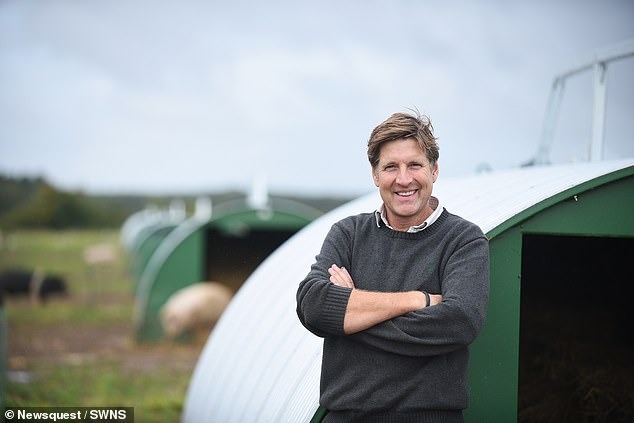
The company is owned by farming entrepreneur Steve Hart and his wife Sally Ann. Hart previously won Farmers Weekly’s Pig Farmer of the Year award in 2016, with his work in animal welfare among the reasons highlighted at the time.
Norfolk Free Range is also a former member of the RSPCA Assured scheme, which promotes higher welfare standards for farm animals. Harford Farm was not certified when the undercover footage was recorded but was later certified before subsequently leaving the scheme.
The RSPCA suspended the company’s membership after the footage emerged and carried out investigations and inspections before reinstating it in 2024. The farm later ceased being a member.
Norfolk Free Range said it was “appalled” by the actions of the two former employees and insisted their behaviour violated company policies and training. The business said the workers were immediately dismissed once the incidents became known.
Animal welfare campaigners welcomed the admission but argued that more accountability was needed, particularly for those directly involved in the abuse.
The case highlights continuing questions about how effectively animal welfare standards are monitored on farms supplying some of Britain’s biggest food retailers—and whether certification schemes can reliably prevent cruelty before undercover footage exposes it.
Why Animal Welfare Standards Matter in Modern Farming
Consumers increasingly want to know how animals are treated before meat reaches supermarket shelves. Strong welfare standards, independent inspections, staff training and effective monitoring can help reduce suffering and identify problems before they become widespread. For shoppers, understanding welfare labels and the standards behind them can also make it easier to make informed choices about the food placed on their tables.
Leave a Reply